Introduction to Contract Compliance in Modern Business

In today’s fast-paced business environment, the concept of contract compliance has become critically important for companies aiming to maintain strong relationships with suppliers and ensure operational efficiency. Contract compliance refers to the process of ensuring that all parties involved in a contractual agreement adhere strictly to the terms outlined within it, from delivery timelines and product quality to payment terms and confidentiality agreements.

The importance of contract compliance cannot be overstated. It serves as a foundational element for trust and reliability between businesses and their vendors or service providers. In an era where outsourcing is common, understanding how your partners perform against contractual obligations directly impacts your business’s success and reputation.

Ensuring supplier accountability, monitoring performance, resolving disputes efficiently, and maintaining documentation are just some aspects of this complex process. However, these tasks can often be overwhelming due to the volume of contracts large enterprises typically manage simultaneously. This complexity underlines the necessity for robust systems that facilitate better management and oversight over these agreements.

The introduction of digital solutions like EvaluationsHub significantly streamlines contract compliance processes by automating key elements such as tracking deliverables, verifying service levels, managing expiration dates on contracts without manual intervention needed frequently in traditional methods. As we continue exploring this topic through subsequent sections like ‘The Challenges of Ensuring Supplier Accountability’, you’ll gain deeper insights into how technology not only simplifies but also enhances overall contract management practices leading toward more strategic vendor relationships.

This overview sets the stage for understanding how essential modern tools are in mastering contract compliance—a critical component ensuring that suppliers deliver precisely what they have promised under agreed-upon conditions.

The Challenges of Ensuring Supplier Accountability

In today’s complex and fast-paced business environment, ensuring supplier accountability stands as a significant challenge for purchasing managers. The efficacy of supply chain operations hinges on the reliability and performance of suppliers. However, numerous obstacles can impede the enforcement of contract compliance, impacting overall business success.

Firstly, visibility issues pose a major hurdle. Many organizations struggle with obtaining real-time data regarding supplier activities and deliverables. This lack of transparency can lead to delays in identifying non-compliance or substandard performance until it has already affected the business adversely.

Another critical challenge is the variability in supplier standards. With businesses often engaging with a diverse set of suppliers from different regions or sectors, there is an inherent difficulty in maintaining consistent quality and service levels across all engagements. This disparity can result in uneven contract fulfillment, complicating management efforts to enforce terms equitably.

Limited control over external operations also adds complexity to enforcing agreements. Companies frequently face logistical constraints that limit their ability to monitor how products are manufactured or services are executed externally. Such scenarios dilute direct oversight and reliance increases on trust which may not always be substantiated by performance metrics.

To address these challenges effectively, companies must leverage robust tools that enhance monitoring capabilities while fostering better communication pathways with suppliers.EvaluationsHub offers tailored solutions designed specifically for this purpose, enabling firms to ensure their suppliers deliver consistently on agreements through enhanced visibility and proactive compliance measures.

  • Digital dashboards for real-time tracking
  • Data analytics tools for predictive insights into supplier behaviors
  • Automated alerts for immediate notification about non-compliance issues

Purchasing managers must recognize these complexities as more than mere operational hurdles; they represent strategic opportunities to refine procurement processes that drive superior outcomes both economically and relationally within supply chains.

How EvaluationsHub Enhances Contract Compliance Processes

In today’s dynamic business environment, ensuring that suppliers adhere to contractual agreements is pivotal. EvaluationsHub offers a sophisticated solution that enhances contract compliance processes effectively. This section explores how EvaluationsHub leverages technology to ensure your suppliers deliver on agreements, thereby streamlining supplier accountability and boosting operational efficiency.

Real-Time Monitoring and Alerts: One of the standout features of EvaluationsHub is its ability to provide real-time monitoring of supplier performance against predefined contract terms. This proactive approach ensures any deviations are caught early, allowing for timely interventions. Automated alerts notify purchasing managers about potential compliance issues before they escalate into bigger problems, keeping projects on track and within budget.

Detailed Reporting Tools: Comprehensive reporting capabilities form another core component of EvaluationsHub’s offerings. These tools generate detailed performance reports which not only measure current compliance rates but also help identify trends over time. Such insights enable managers to make informed decisions based on accurate data, improving strategic planning and future supplier negotiations.

Audit Trail Capabilities: Maintaining an immutable record of all transactions related to contracts is crucial for audit purposes and dispute resolution. EvaluationsHub maintains a secure digital trail documenting every action taken concerning each agreement. This transparency builds trust with suppliers while safeguarding your organization against non-compliance penalties or legal disputes arising from contractual misunderstandings or mismanagement.

User-Friendly Interface: Despite its robust functionalities, EvaluationsHub boasts a user-friendly interface that does not require extensive technical knowledge to navigate effectively. It simplifies the complexities associated with contract compliance management making it accessible for all users across the organization, thus encouraging wider adoption and consistent usage practices among teams.

EvaluationsHub transforms traditional contract management challenges into opportunities for enhancing operational efficiency through improved compliance monitoring strategies designed specifically with modern businesses in mind.

Case Studies: Success Stories Using EvaluationsHub for Compliance

In the realm of contract compliance, real-world applications of technology can provide both insights and evidence of effectiveness. EvaluationsHub has been pivotal in transforming how companies manage supplier accountability and compliance. Here are a few case studies that illustrate the successful implementation and impact of EvaluationsHub in diverse industries.

Manufacturing Sector Success
In a leading automotive components manufacturing company, supplier delays had historically led to significant production setbacks. After integrating EvaluationsHub into their procurement process, they developed a more transparent workflow where deliverables were tracked in real-time against contractual timelines. The result was a 30% improvement in on-time delivery within the first quarter post-implementation.

Retail Industry Transformation
A major national retailer faced challenges with its vast number of suppliers not adhering to quality standards which affected customer satisfaction adversely. By using EvaluationsHub’s detailed analytics dashboard, the company could pinpoint non-compliance issues at their root and implement corrective measures swiftly. This integration has not only reduced compliance incidents by 45% but also enhanced vendor relationships through clear communication and expectations setting.

Healthcare Sector Improvement
A healthcare provider struggling with medical supplies’ regulatory compliance found it challenging to ensure all products met industry standards consistently. With EvaluationsHub, they automated their tracking systems for better oversight and quicker response times when issues were detected. This change led to an impressive 50% reduction in non-compliant items being received at hospital facilities, significantly lowering risks associated with patient care.

These success stories from varied sectors demonstrate how effectively EvaluationsHub ensures your suppliers deliver on agreements. Each case highlights unique problems tailored solutions provided by EvaluationsHub helped overcome them efficiently while enhancing overall business operations.

Leveraging Technology to Future-Proof Your Contract Management

In today’s fast-evolving business landscape, the ability to adapt and stay ahead of technological trends is crucial for managing contracts effectively. Leveraging advanced technologies not only enhances efficiency but also strengthens compliance and accountability in contract management. Here’s how modern technology can be integrated into your processes to future-proof your contract management systems.

1. Automation Tools: Automating routine tasks such as data entry, contract generation, and compliance checks can drastically reduce human errors and free up valuable time for strategic activities. Tools like EvaluationsHub utilize smart automation to streamline these processes, ensuring that your contracts are managed efficiently without compromising on accuracy.

2. Cloud-based Solutions: With remote work becoming more common, cloud-based contract management systems offer the flexibility needed to access important documents from anywhere at any time. This scalability ensures that as your business grows or changes direction, your contract management system can easily adapt.

3. Data Analytics: Advanced analytics tools help predict trends by analyzing current and past contract performance data. These insights allow purchasing managers to make informed decisions about supplier relations and risk management—crucial aspects of future-proofing operations against unpredictable market fluctuations.

4. Blockchain Technology: For industries where security and transparency are paramount, blockchain provides a secure platform for executing contracts known as smart contracts which automatically enforce their terms without third-party intervention — reducing fraud risk while enhancing trust among parties involved in agreements.

The integration of these technologies not only optimizes operational efficiencies but also offers robust solutions against potential challenges in the dynamic world of business procurement and supply chain management. As tech continues its rapid evolution across sectors, investing in adaptable platforms like EvaluationsHub ensures you remain competitive while adhering strictly to evolving industry standards and regulations surrounding contractual obligations.
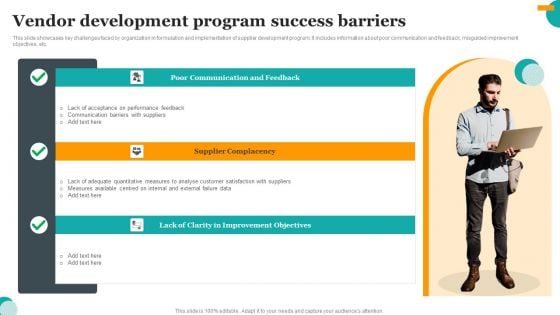
The Critical Need for Effective Supplier Feedback in Modern Supply Chains

In today’s fast-paced and intricately connected global economy, the efficiency of supply chains can be a significant differentiator between business success and failure. One pivotal aspect of optimizing these supply chains is the management of supplier relationships, particularly through effective feedback mechanisms. The importance of robust supplier feedback loops cannot be underestimated, as they empower businesses to improve product quality, enhance service delivery, and foster innovation.

Effective supplier feedback serves several critical functions within a modern supply chain. Firstly, it creates a transparent communication channel that not only helps identify areas needing improvement but also promotes active engagement from suppliers. This kind of transparency is crucial for building trust and ensuring that suppliers are aligned with your business objectives.

Secondly, systematic feedback processes contribute significantly to risk management by enabling quicker responses to potential disruptions or quality issues before they affect broader operations. In an era where just-in-time manufacturing prevails and margins often run thin, being proactive rather than reactive can save substantial costs and safeguard company reputations.

Moreover, engaging suppliers with consistent feedback leads to better outcomes through collaborative problem-solving. When suppliers understand how their performance impacts the end product or service directly from their clients—your business—they are more likely to innovate on their own processes or products which in turn benefits your supply chain ecosystem as a whole.

In conclusion, enhancing supplier feedback loops isn’t just about monitoring and evaluation; it’s also about fostering an evolving partnership that drives continuous improvement across all facets of procurement and production stages. By prioritizing efficient communication channels like EvaluationsHub Automation within these interactions we can ensure smoother operations while adapting agilely to market demands.

Current Challenges in Managing Supplier Feedback Loops

As supply chains become increasingly complex, the task of managing effective supplier feedback loops presents several notable challenges. These complications not only hinder the efficiency of operations but also affect relationships with key suppliers. Understanding these challenges is the first step toward mitigating them and improving overall supply chain resilience.

Inconsistent Communication: One primary issue faced by many organizations is inconsistent communication across different levels of supply chain management. Without a standardized method for gathering and sharing feedback, messages can become distorted as they move up the hierarchy, leading to misinterpretations and delayed responses.

Lack of Real-Time Feedback: Traditional methods often rely on periodic reviews which may not capture real-time issues that occur daily. This delay in feedback can prevent timely corrective actions and lead to repeated errors that could have been easily avoided with more immediate communication.

Data Overload: With the vast amount of data generated from multiple sources, it becomes challenging to sift through information effectively. Critical insights might be lost amidst non-essential data, making it difficult to execute data-driven decisions promptly.

Varying Standards Across Borders: For global enterprises, cultural differences and varying operational standards across countries complicate the process even further. What works as a norm in one region might be perceived differently in another, causing inconsistencies in how feedback is interpreted and acted upon.

Limited Engagement from Suppliers: Often times suppliers are only contacted when issues arise rather than being part of continuous improvement processes. This reactive approach discourages suppliers from being proactive about potential improvements due to fear of criticism or penalties during performance assessments.

To overcome these obstacles, businesses need innovative solutions designed specifically for enhancing supplier communication while simplifying data integration and analysis within their supply chains — attributes that EvaluationsHub specializes in providing through its automated systems tailored for improving supplier feedback loops efficiently.

Introduction to EvaluationsHub: Revolutionizing Supplier Communication

In today’s complex and fast-paced market, effective communication with suppliers is paramount for maintaining a smooth supply chain. EvaluationsHub, a cutting-edge platform, steps in to transform how businesses handle supplier interactions through automation and streamlined processes. This innovative tool not only simplifies the feedback loop but also ensures that it becomes more strategic and data-driven.

The core philosophy behind EvaluationsHub is to empower purchasing managers by providing them with comprehensive tools that facilitate better decision-making. By integrating various forms of feedback into a single, accessible location, EvaluationsHub addresses common challenges faced in supplier management—such as scattered data, time-consuming follow-ups, and inconsistent feedback quality.

Key Benefits of Using EvaluationsHub:

  • Precision Tracking: Automatically logs all communications and updates in real-time, ensuring no detail is missed.
  • Centralized Dashboard: Offers an intuitive interface where users can view overall supplier performance metrics at a glance.
  • Actionable Insights: Harnesses advanced analytics to provide actionable insights based on historical data and trends.
  • Cross-Functional Accessibility: Facilitates collaboration across different departments within your organization for unified decision making.

EvaluationsHub’s role extends beyond just being another software solution; it acts as an integral component of strategic planning for procurement professionals. By automating routine tasks such as collecting feedback or analyzing supplier performance metrics, purchasing managers are free to focus on broader business strategies that enhance efficiency while reducing overheads associated with manual interventions in the supplier evaluation process. With its robust features designed specifically for modern supply chains,EvaluationsHub sets itself apart as an indispensable tool tailored towards improving supplier relationships proactively rather than reactively responding when issues arise.

This revolutionary approach guarantees not just improved operational effectiveness but also fosters stronger partnerships between companies and their suppliers—a crucial aspect of thriving in today’s competitive environment.

Key Features of EvaluationsHub Automation That Enhance Feedback Processes

In today’s competitive market, the ability to streamline and enhance supplier feedback processes is critical for maintaining robust supply chains. EvaluationsHub offers a suite of automation tools designed specifically to transform how businesses interact with their suppliers. Here are some of the key features that make EvaluationsHub an indispensable tool for improving supplier feedback loops:

  • Automated Feedback Collection: One of the standout features of EvaluationsHub is its automated feedback collection system. This feature allows purchasing managers to schedule and send out feedback requests automatically after each transaction or interaction with a supplier. It significantly reduces the manual effort involved in gathering feedback and ensures timely collection.
  • Real-Time Analytics Dashboard: With real-time analytics, purchasing managers can immediately see comprehensive insights into supplier performance across various metrics. This dashboard compiles data from multiple sources into easy-to-understand graphs and charts, helping decision-makers identify trends, spot potential issues early, and make informed decisions quickly.
  • Actionable Insights Generation: Beyond collecting data, EvaluationsHub excels in providing actionable insights based on advanced algorithms for analysis. These insights help companies not just react to past performances but also proactively improve future interactions with suppliers by identifying areas needing attention.
  • Integrated Communication Tools: Effective communication is vital for any business relationship. EvaluationsHub includes integrated communication tools that facilitate seamless discussions between buyers and suppliers directly within the platform. This feature helps resolve issues swiftly and enhances collaboration.
  • Closed-Loop Feedback System: Perhaps one of the most beneficial aspects is its closed-loop feedback mechanism which ensures that all input received from suppliers leads to concrete actions or changes where necessary. This continuous loop promotes constant improvement and satisfaction among stakeholders.

This suite of features provided by EvaluationsHub effectively addresses common challenges encountered in managing supplier relationships, making it an essential tool for businesses aiming at long-term success through strategic supply chain management.

Moving from Reactive to Proactive: Implementing EvaluationsHub for Continuous Improvement

In the swiftly evolving landscape of supply chain management, the transition from a reactive to a proactive approach in handling supplier feedback is crucial. EvaluationsHub offers an innovative automation solution that not only streamlines this process but significantly enhances it, fostering an environment conducive to continuous improvement. Here’s how implementing EvaluationsHub can transform your supplier feedback loops into a dynamic tool for strategic advancement.

Automated Feedback Collection: Traditionally, collecting and processing supplier feedback has been labor-intensive and prone to delays. With EvaluationsHub, you can automate these processes with pre-set criteria and schedules. This functionality ensures timely and regular collection of data, enabling purchasing managers to quickly identify trends and areas needing attention without waiting for quarterly reviews or end-of-year reports.

Real-time Analytics Dashboard: One of the standout features of EvaluationsHub is its real-time analytics dashboard that provides at-a-glance insights into supplier performance metrics. This tool allows managers to monitor ongoing improvements or declines in performance, equipping them with the information necessary to intervene promptly when issues arise.

Actionable Insights Generation: Beyond mere data collection and visualization, EvaluationsHub excels in turning raw data into actionable insights. By employing advanced algorithms and machine learning techniques, the platform analyzes feedback for underlying patterns which might indicate systemic issues or opportunities for process enhancements.

Fostering Collaborative Relationships: A proactive approach encourages collaboration rather than confrontation with suppliers. Through structured yet flexible communication tools integrated within EvaluationsHub, businesses can engage suppliers directly on specific issues highlighted by the system’s analyses. This promotes mutual understanding and joint problem-solving efforts leading towards shared goals of quality improvement and efficiency.

To truly harness continuous improvement within your supply chains; adopting advanced tools like EvaluationsHub becomes indispensable—transitioning away from scrambling after problems have escalated towards predicting challenges ahead of time thereby positioning your operations at a competitive advantage.

JAGGAER and EvaluationsHub compared

EvaluationsHub publishes this comparison, so treat it as an interested party’s account and check the links. Every claim about JAGGAER comes from a page JAGGAER publishes or a named third-party source, with the date we read it. Where something is not public, we say “Not published” rather than guess. Last reviewed 8 November 2026.

The short version. JAGGAER One is a source-to-pay platform with particular strength in direct materials, BOM sourcing and public sector. EvaluationsHub is a supplier lifecycle platform without purchase orders. Choose JAGGAER for a full source-to-pay programme, especially with direct materials. Choose EvaluationsHub for supplier performance, quality and onboarding, and consider running it beside JAGGAER.

What JAGGAER is

JAGGAER presents a connected source-to-pay platform, JAGGAER One, covering sourcing, contracts, purchasing, invoicing, payments and supplier data, with an AI assistant it calls JAI.

Where JAGGAER is stronger

  • Published timelines. JAGGAER states typical timelines of 12 to 16 weeks for a single source-to-contract module and 6 to 9 months for a full source-to-pay programme. Several vendors we reviewed publish no timeline.
  • Direct materials. BOM sourcing, rates management and tail spend, plus public sector and higher-education offerings.
  • Supplier-visible scores. JAGGAER states that suppliers view scores and respond through the portal.
  • Integrations. It names SAP, Oracle, NetSuite and Workday among its integrations.

JAGGAER and EvaluationsHub side by side

JAGGAER and EvaluationsHub compared, reviewed 8 November 2026. Sources are listed at the end of the page.
Dimension JAGGAER EvaluationsHub Who this favours
Scope Connected source-to-pay platform Supplier lifecycle from intake to renewal, performance, risk evidence and quality. Purchase orders, invoices and orders are out of scope JAGGAER if you are replacing source-to-pay
Published timelines 12 to 16 weeks for one module, 6 to 9 months for a full programme, by its own statement First evaluation cycle typically live in three to four weeks, self-service Depends on scope. Ask both for references
Direct materials BOM sourcing and rates management Not our focus JAGGAER
Supplier-visible scores Suppliers view scores and respond in the portal, by its statement Supplier portal carries your brand, with corrective actions raised from a score Both
Supplier fees States a fee-free supplier network Supplier portal users are included in the buyer’s commercial model, which is per managed supplier rather than per seat JAGGAER, on its own statement
Gartner placement Listed by JAGGAER as Visionary in the 2026 Gartner Magic Quadrant for Source-to-Pay Suites. SAP and Coupa each state they are Leaders in the same report None cited Neither
Buyer pricing Not published Not published here. Per managed supplier, not per seat. See pricing page Neither

Choose JAGGAER if

  • Direct materials, BOM sourcing or public sector are core requirements.
  • You want published implementation ranges to plan against.
  • You need a full source-to-pay programme in one platform.

Choose EvaluationsHub if

  • You want supplier performance, quality, risk evidence and onboarding on one record, without replacing your ERP or buying a full suite.
  • Your first evaluation cycle matters more than a long programme: we typically configure it in your own environment in three to four weeks, self-service.
  • Quality and procurement both need a seat: corrective actions with owners and due dates sit on the same record as the scorecard.
  • You want Eva AI Agent working in the background: it finds drift between contract obligations and live performance on its own, and a person approves before anything is executed.
  • Data residency in Europe is a requirement: ISO 27001 certified, hosted on AWS in Paris (eu-west-3), DPA on request.

It is not always either or. EvaluationsHub can run alongside JAGGAER, which is how many teams add performance, quality and onboarding depth without a migration.

What we cannot tell you

  • JAGGAER’s scorecard weighting and multi-rater scoring, which are not published.
  • Whether JAGGAER’s Gartner placement matches its own listing. We could not open Gartner’s page.
  • JAGGAER’s buyer pricing.

Want to see your own suppliers in it?

Send us how you evaluate suppliers today and we will rebuild it in your own environment inside 48 hours.

Request a pilot environmentSee it workingGet a price for my situation

SynerTrade vs. EvaluationsHub: The Right Tool for Modern Supplier Evaluations?

As procurement teams rethink how they assess suppliers and engage stakeholders, two platforms come up in strategic sourcing discussions: SynerTrade and EvaluationsHub.

Both offer digital solutions in the procurement space—but they serve very different goals.

SynerTrade is a modular source-to-pay (S2P) suite with broad capabilities—from spend analysis to sourcing and contract management. But like many large suites, it often lacks the agility procurement teams need to launch fast, structured evaluations that drive real change.

That’s where EvaluationsHub comes in.

If you’re tired of managing feedback through Excel sheets, scattered surveys, or clunky portals, EvaluationsHub gives you an execution-focused platform to push evaluations across your ecosystem—without waiting months for configuration.


What SynerTrade Offers — and What It Misses

SynerTrade’s strength lies in its breadth. It covers sourcing events, supplier onboarding, spend cubes, contract workflows, and more. But with that breadth comes complexity. Deploying SynerTrade typically involves:

  • Long implementation cycles

  • Heavy internal training

  • Configuration that often requires support or consultants

And when it comes to automating supplier scorecards, collecting internal input, or closing the feedback loop with suppliers or customers, SynerTrade either pushes users to spreadsheets, or requires custom modules that slow you down.

It’s powerful—but not purpose-built for feedback and evaluation automation.


EvaluationsHub: Purpose-Built to Drive Evaluations That Deliver Outcomes

Rather than replacing your full procurement stack, EvaluationsHub fits alongside it, offering a fast, flexible system to:

  • Run supplier performance evaluations (ESG, risk, quality, delivery…)

  • Automate scoring, reminders, and reporting

  • Collect input from internal teams, customers, or vendors

  • Trigger follow-up actions and track accountability

  • Give external stakeholders a fully branded, simple portal experience

You can go live in days—not months—and push evaluations to hundreds of stakeholders instantly.


Comparison Table: EvaluationsHub vs. SynerTrade

Feature / Capability SynerTrade EvaluationsHub
Core Platform Type Source-to-Pay Suite Evaluation & feedback automation engine
Supplier Scorecards ⚠️ Add-on / Manual workflows ✅ Native, automated, recurring, and flexible
ESG, Risk, Quality Assessments ✔️ Available in modules ✔️ Built-in templates, ready to deploy
Internal Stakeholder Feedback ✖️ Not core functionality ✔️ Push templates across departments easily
Customer or Supplier Portals ✖️ Limited ✔️ Fully branded external portals
Reminder Automation ✖️ Requires custom workflow setup ✔️ Smart reminders, built-in by default
Score Aggregation & Reporting ⚠️ Via BI or configuration-heavy ✔️ Instant, auto-calculated dashboards
Time to Deploy 6–12 months on average Days – ready to use instantly
Ease of Use (for business users) ⚠️ Steep learning curve ✅ Intuitive, no-code interface
Pricing Model Enterprise contract, often opaque Modular and transparent, includes free managed account

When to Choose EvaluationsHub Over SynerTrade

SynerTrade is a good fit if you’re rebuilding your entire procurement process from end to end, have significant IT resources, and are prepared for a long implementation journey.

But if your immediate goal is to improve how you evaluate suppliers or gather internal feedback, EvaluationsHub gets you there faster—without overhauling your systems.

It’s ideal if you want to:

  • Move beyond Excel for scorecards

  • Push consistent evaluation templates to stakeholders

  • Create accountability around supplier and customer input

  • Comply with ESG and ISO standards through structured feedback workflows

EvaluationsHub is laser-focused on execution. That’s what makes it so powerful—and so easy to adopt.


Final Thoughts

SynerTrade is broad. EvaluationsHub is sharp.
SynerTrade manages sourcing. EvaluationsHub manages performance.

If your challenge is not selecting suppliers, but improving them—and engaging the right people across your ecosystem to do so—EvaluationsHub gives you the right tool with none of the baggage.


Want to See It in Action?

We set up a pilot environment for one supplier segment, with your own suppliers and criteria, so you can judge EvaluationsHub on your own data before you decide.

👉 Request a pilot environment

.

Key Features Comparison

Feature SynerTrade EvaluationsHub
Feedback Automation No specific automation focus mentioned. Central to its offering, minimizing manual effort.
Customization of Evaluations Standard customization options available. Highly customizable scorecards, criteria, and methods.
Multi-Metric Evaluation No emphasis on multi-metric capabilities. Able to use various methods for a comprehensive view.

Differentiators of EvaluationsHub

The standout features of EvaluationsHub lie in its ability to integrate seamlessly with over 1600 tools, including strong connectivity with Salesforce. This broad integration capability ensures that businesses can maintain their existing workflows while enhancing them with robust evaluation functionalities. Additionally, the platform’s dedicated supplier portal offers a unique interface for suppliers to engage directly with the system.

  • User-Friendly/No-Code Platform: The ease of setup and use is a significant advantage for companies looking to quickly implement an evaluation system without extensive technical resources.

User Experience & Customization Options

The user experience is further enhanced by EvaluationsHub’s no-code platform that allows users to create evaluations effortlessly. Its brandable and white-labeling options ensure that companies can customize the appearance of the platform according to their branding needs. Moreover, GDPR compliance underscores a strong commitment to data security and privacy—an essential consideration in today’s digital landscape.

Pricing Model & Cost-Effectiveness

A potentially cost-effective pricing model is another attractive aspect of EvaluationsHub. With mentions of pricing as low as “3€/managed customer/supplier,” it suggests affordability compared to high-cost enterprise suites. This model could be particularly beneficial for organizations managing numerous customers or suppliers.

The Verdict: Why Choose EvaluationsHub?

If your organization seeks a highly customizable evaluation tool that integrates broadly with existing software systems while offering actionable insights through data-driven reporting, then EvaluationsHub emerges as a compelling choice. Its focus on feedback automation reduces manual efforts significantly while providing robust support for corrective action planning (CAPA) directly within the platform.

For businesses prioritizing ease-of-use alongside powerful functionalities at competitive pricing levels—complete with free trial options—EvaluationsHub stands out as an optimal solution among its competitors like SynerTrade.

SAP Ariba and EvaluationsHub compared

EvaluationsHub publishes this comparison, so treat it as an interested party’s account and check the links. Every claim about SAP Ariba comes from a page SAP Ariba publishes or a named third-party source, with the date we read it. Where something is not public, we say “Not published” rather than guess. Last reviewed 8 November 2026.

The short version. SAP Ariba is a source-to-pay suite with a deep supplier management module. EvaluationsHub is a supplier lifecycle platform that does not handle purchase orders or invoices. If you want to replace source-to-pay, SAP Ariba is a serious option. If the gap is supplier performance, quality and onboarding, EvaluationsHub is a shorter path, and the two can run side by side.

What SAP Ariba is

SAP positions Ariba within its spend management portfolio and describes the suite as source-to-pay. Its supplier management area covers supplier lifecycle and performance, supplier risk and related tools. SAP labels this area supplier management. It uses the phrase supplier relationship management only in a banner line and in an FAQ, where it treats the two as distinct but overlapping. Ariba was acquired by SAP in 2012.

Where SAP Ariba is stronger

  • Breadth. One vendor for sourcing, contracts, buying, invoicing, supplier lifecycle, risk, external workforce and expenses.
  • SAP estates. Documented first-party replication with S/4HANA and SAP ERP, not a connector.
  • Performance depth. SAP publishes a full project lifecycle for supplier performance reviews, with weighted KPIs, recurring periods and an option to show suppliers their score. We would not claim SAP lacks any of these.
  • Supplier risk. A separately engineered product with assessments, action plans and continuous monitoring.
  • Standing. A Leader in the 2026 Gartner Magic Quadrant for Source-to-Pay Suites, and a large supplier network already enrolled through other buyers.

SAP Ariba and EvaluationsHub side by side

SAP Ariba and EvaluationsHub compared, reviewed 8 November 2026. Sources are listed at the end of the page.
Dimension SAP Ariba EvaluationsHub Who this favours
Scope Source-to-pay suite: sourcing, contracts, buying, invoicing and payment, supplier lifecycle and risk, under one vendor Supplier lifecycle from intake to renewal, performance, risk evidence and quality. Purchase orders, invoices and orders are out of scope SAP Ariba if you are replacing source-to-pay. EvaluationsHub if the gap is supplier management
SAP ERP integration First-party replication with S/4HANA, SAP ERP and Master Data Governance for Suppliers, direct or mediated. SAP groups every other system as third-party applications REST API connection to SAP, Oracle, Dynamics and Coupa. No ERP required SAP Ariba for SAP-centric estates
Supplier risk A separate product, SAP Ariba Supplier Risk, with control assessments, action plans and continuous incident monitoring from external data (SAP’s description) Continuous risk scoring and ESG evidence held on the same record as performance. We publish no external data coverage figures SAP Ariba where third-party risk due diligence is the main driver
Performance programme A project and template construct: weighted KPIs and target grades, recurring review periods such as quarters or years, surveys for stakeholder input, a configurable option to show suppliers their score Weighted KPIs by segment (strategic, leverage, bottleneck, non-critical), survey cycles with automatic reminders, corrective actions raised from a score Both. SAP’s is deeper on documented mechanics; ours is configured by the team without a project
Analyst standing Leader in the 2026 Gartner Magic Quadrant for Source-to-Pay Suites. SAP and Coupa are both positioned as Leaders in the 2026 Gartner Magic Quadrant for Source-to-Pay Suites, published 21 January 2026, so the placement gives neither an edge over the other. We do not cite a Gartner placement SAP Ariba
Supplier-side fees SAP publishes a free Standard account. Enterprise accounts carry a subscription plus a transaction fee. In SAP’s training material a supplier becomes chargeable at 5 documents and USD 50,000 with one buyer in 12 months, with a transaction fee of 0.155% or 0.35% capped at USD 20,000 a year per buyer relationship Supplier portal users are included in the buyer’s commercial model, which is per managed supplier rather than per seat Depends on how many suppliers would pass SAP’s threshold
Time to first cycle Not published First evaluation cycle typically live in three to four weeks, self-service configuration EvaluationsHub, on our own claim. Ask both for references
Ease of use, per review sites Reviewers on Capterra most often mention a steep learning curve and a complex interface (read 10 November 2026). G2 shows no ranking of criticisms 4.9 out of 5 on G2 Treat both as indicative; the platforms do not measure like for like
Buyer pricing Not published Not published here. Per managed supplier, not per seat. See pricing page Neither

Choose SAP Ariba if

  • You already run SAP S/4HANA or SAP ERP and want first-party master data replication.
  • You need a full source-to-pay replacement in one suite.
  • Third-party risk due diligence, with control assessments and continuous monitoring, is the main driver.
  • You want a large, formal performance programme with template-governed scorecards and many internal stakeholders.
  • An analyst-validated suite is a selection criterion in your governance.

Choose EvaluationsHub if

  • You want supplier performance, quality, risk evidence and onboarding on one record, without replacing your ERP or buying a full suite.
  • Your first evaluation cycle matters more than a long programme: we typically configure it in your own environment in three to four weeks, self-service.
  • Quality and procurement both need a seat: corrective actions with owners and due dates sit on the same record as the scorecard.
  • You want Eva AI Agent working in the background: it finds drift between contract obligations and live performance on its own, and a person approves before anything is executed.
  • Data residency in Europe is a requirement: ISO 27001 certified, hosted on AWS in Paris (eu-west-3), DPA on request.

It is not always either or. EvaluationsHub can run alongside SAP Ariba, which is how many teams add performance, quality and onboarding depth without a migration.

What we cannot tell you

  • SAP’s buyer pricing and implementation duration, which SAP does not publish.
  • Exact scorecard weighting arithmetic in SAP’s administration guide, which we could not read.
  • Whether your suppliers would pass SAP’s fee threshold. That depends on your document volumes.
  • How SAP Ariba behaves behind its login. We describe what SAP publishes.

Want to see your own suppliers in it?

Send us how you evaluate suppliers today and we will rebuild it in your own environment inside 48 hours.

Request a pilot environmentSee it workingGet a price for my situation

Introduction to Modern Supplier Relationship Management

In today’s complex business environment, the importance of robust Supplier Relationship Management (SRM) cannot be overstated. SRM refers to the systematic approach for assessing suppliers’ contributions to your business, determining their strategic value and developing mutually beneficial partnerships. This practice is crucial not only for ensuring supply chain efficiency but also for enhancing product quality, sustainability, and innovation.

The evolution of SRM has been marked by a shift from traditional transactional relationships to strategic alliances focused on co-creation and mutual growth. The modern approach emphasizes not just cost reduction but also long-term value creation through collaboration. Technologies like EvaluationsHub are at the forefront of transforming these supplier relationships by providing tools that facilitate better communication, performance evaluation, and data-driven decision making.

A key component in modern SRM is leveraging technology to streamline processes and gain deeper insights into supplier performance metrics such as delivery times, quality rates, and compliance scores. Advanced analytics provided by platforms like EvaluationsHub allow businesses to anticipate market changes more effectively and adapt their strategies accordingly.

This proactive management style helps companies avoid disruptions, manage risks better, and foster innovation by integrating suppliers into new product development from an early stage. Ultimately, effective supplier relationship management today means building a network of reliable partners who are aligned with your company’s goals — a vital step toward achieving competitive advantage in a rapidly changing global market.

To sum up,modern Supplier Relationship Management, enhanced by technological advancements like those offered by EvaluationsHub,transforms how organizations interact with their vendors leading to improved operational efficiencies, reduced costs,and increased profitability.

The Strategic Importance of Building Strong Supplier Partnerships

In today’s competitive business environment, the significance of cultivating robust supplier partnerships cannot be overstated. As organizations strive to streamline operations and enhance product quality, the relationships they forge with suppliers play a pivotal role in achieving these goals. This section explores why building strong supplier partnerships is crucial for long-term organizational success.

Firstly, strong supplier relationships contribute to more reliable supply chains. By establishing trust and mutual understanding with suppliers, companies can ensure a more consistent and timely flow of materials and products. This reliability is essential not just for meeting consumer demands but also for planning and scaling business operations effectively.

Secondly, effective supplier partnerships are fundamental in achieving cost efficiencies. Collaborative relationships often lead to negotiations that can result in better pricing structures or volume discounts—critical factors in controlling costs and improving bottom lines. Moreover, partners who are closely aligned with your business objectives are more likely to invest in innovations that benefit both parties financially.

Beyond cost concerns, strong partnerships enable quicker adaptation to market changes. In an era where market conditions fluctuate rapidly due to technological advances or consumer preferences shifts, having a responsive supplier means you can adjust production processes swiftly without sacrificing quality or delivery times.

Last but not least is the enhancement of sustainability practices. Modern consumers increasingly favor businesses that prioritize environmental consciousness throughout their supply chain. Close collaboration with suppliers ensures that sustainable practices are adhered to which not only meets customer expectations but also conforms to global regulatory standards.

In conclusion, prioritizing deep-rooted supplier relationships transforms operational capabilities significantly. Not only does it stabilize supply chains but it also propels financial performance while fostering innovation and sustainability—a testament as highlighted by EvaluationsHub’s platform which facilitates such strategic collaborations efficiently.

How EvaluationsHub Facilitates Enhanced Communication and Collaboration

In today’s interconnected business environment, effective communication and collaboration are pivotal to fostering strong supplier relationships. EvaluationsHub emerges as a key facilitator in this domain by integrating advanced technological tools designed to streamline interactions between purchasing managers and their suppliers.

Centralized Communication Platform: One of the core features of EvaluationsHub is its centralized communication platform. This tool allows for real-time messaging, updates, and data sharing between all stakeholders involved in the supply chain process. By centralizing communications, delays attributable to miscommunications or lost emails are significantly reduced. Moreover, it ensures that everyone has access to the same information at the same time, thereby aligning goals and strategies across diverse teams.

Digital Collaboration Tools: Collaborative decision-making is made easier with EvaluationsHub’s suite of digital tools which facilitate joint planning sessions online. These tools include shared calendars for scheduling, document-sharing capabilities allowing for instant feedback on contracts or proposals, and even collaborative project management software that tracks progress towards mutual objectives.

Data Transparency: A standout feature provided by EvaluationsHub is its commitment to data transparency. Accessible analytics dashboards give both buyers and suppliers a clear view of performance metrics such as delivery timings, quality control results, inventory levels etc., fostering an atmosphere of trust through openness about each party’s contributions to shared outcomes.

The implementation of these sophisticated yet user-friendly technologies not only enhances operational efficiency but also builds stronger relational ties through consistent positive engagement experiences. As organizations look towards sustainable procurement practices post-pandemic economic recovery phase; embracing platforms like EvaluationsHub could be instrumental in ensuring resilience through superior supplier relationship management (SRM).

To sum up,EvaluationsHub stands out as an exemplary model in transforming traditional transactional relationships into dynamic partnerships driven by seamless communication protocols integrated within their system.

Leveraging Technology for Data-Driven Decision Making in Supplier Management

In today’s rapidly evolving business landscape, the ability to make quick, informed decisions is crucial. This is especially true in supplier management, where data-driven decision making can significantly enhance operational efficiencies and strategic outcomes. EvaluationsHub plays a pivotal role by integrating advanced technologies that transform how businesses interact with their suppliers.

One of the core functionalities of EvaluationsHub is its robust analytics platform. By harnessing real-time data and historical performance metrics, purchasing managers can gain deep insights into supplier reliability, cost-efficiency, and compliance levels. This visibility enables organizations to identify high-performing suppliers and foster strong partnerships that are beneficial long-term.

The technology provided by EvaluationsHub also allows for enhanced predictive analytics capabilities. Through sophisticated algorithms and machine learning models, it predicts potential supply chain disruptions before they occur. Such proactive measures ensure that businesses can mitigate risks timely and maintain continuity in operations.

Moreover, EvaluationsHub’s user-friendly dashboard presents complex data sets in an accessible format through intuitive graphs and charts. This simplifies the process of comparing suppliers across various performance indicators without needing extensive technical skills or background knowledge—empowering decision-makers at every level within your organization.

To sum up, leveraging technology like EvaluationsHub for data-driven decision making not only streamlines supplier management processes but also contributes significantly to building resilient supply chains capable of adapting to changes effectively. As businesses continue to face new challenges globally, embracing these technological advancements becomes essential for maintaining competitive advantage and ensuring sustainable growth.

Future-Proofing Your Supply Chain with EvaluationsHub

In today’s rapidly evolving market environment, the ability to anticipate and prepare for future changes in the supply chain can set a company apart from its competitors. Future-proofing your supply chain is essential for maintaining resilience, adapting to new technologies, and meeting shifting consumer demands effectively. EvaluationsHub plays a pivotal role in this strategic foresight.

One of the key aspects of future-proofing is ensuring that technology infrastructure can handle upcoming innovations and market requirements. EvaluationsHub integrates seamlessly with existing systems but remains flexible enough to adapt to new technologies as they emerge. This flexibility ensures that businesses using EvaluationsHub are always at the forefront of supplier management technology.

EvaluationsHub also supports sustainability initiatives which are becoming crucial in modern business strategies. By providing tools that help track and analyze supplier practices related to environmental impact, companies can make more informed decisions that align with global sustainability standards.

Risk management is another critical component addressed by EvaluationsHub through comprehensive analytics that predict potential disruptions based on various risk factors including geopolitical situations or natural disasters. These predictive capabilities allow companies to develop contingency plans much more efficiently, reducing downtime and mitigating potential losses.

Lastly, continuous improvement processes driven by data collected from suppliers via EvaluationsHub enable organizations not just to react to changes but also proactively improve their operations before issues arise. The platform facilitates creating benchmarks against industry standards or previous performance metrics which helps identify areas for improvement or investment.

The integration of these features into one robust platform like EvaluationsHub provides purchasing managers with a powerful tool not just for managing day-to-day operations but also strategically positioning their supply chains against future challenges—ensuring long-term value creation and competitive advantage in an unpredictable business landscape.

Are you tired of navigating the complex world of procurement, constantly running into roadblocks and inefficiencies? You’re not alone.

Many businesses face these procurement pain points that can slow down operations and impact the bottom line. But here’s the good news: solutions exist, and they might be simpler than you think. Imagine a streamlined process where your procurement challenges are not just addressed but transformed into opportunities for growth.

This article will unravel the common procurement hurdles you encounter and provide practical solutions that you can apply to enhance efficiency and drive success in your operations. Are you ready to turn your procurement woes into wins? Let’s dive in.


Common Procurement Challenges

Procurement pain points often include supplier miscommunication and budget constraints. Effective solutions involve clear contracts and strategic budgeting. Streamlined processes enhance efficiency and reduce errors.

Procurement is a vital process for any business, but it comes with its own set of challenges. Navigating these hurdles can be difficult, yet mastering them is essential for ensuring smooth operations and cost efficiency. Understanding common procurement challenges can help you develop effective strategies to tackle them head-on.

Supplier Selection Issues

Selecting the right supplier isn’t just about finding the cheapest option. It’s about finding a reliable partner who aligns with your business values and can consistently deliver quality products or services. Have you ever chosen a supplier based solely on price, only to find that their service was less than stellar? It’s a common pitfall. Establish clear criteria for what makes a good supplier, including factors like reliability, quality, and communication. Consider creating a checklist to evaluate potential suppliers thoroughly.

Cost Management Dilemmas

Managing costs effectively is a balancing act. You need to ensure you’re getting value without overspending. Have you ever found yourself struggling to justify procurement costs to your finance department? You’re not alone. Implement budgeting tools that provide transparency and allow for tracking expenses. Regularly review your spend against budget projections, and don’t hesitate to renegotiate contracts if necessary. Remember, every dollar saved can be reinvested in other parts of your business.

Contract Compliance

Ensuring contract compliance can be tricky, especially with multiple vendors and contracts to manage. Have you ever faced penalties due to overlooked contract terms? This can be avoided with diligent oversight. Use contract management software to keep track of deadlines, deliverables, and clauses. Assign responsibility to someone on your team to regularly review compliance. This proactive approach can save you from costly mistakes.

Risk Mitigation Hurdles

Risk management is crucial in procurement. The unpredictability of supply chains can throw your operations off course. Have you ever experienced delays due to unforeseen supplier issues? Building a risk mitigation strategy is key. Diversify your supplier base to avoid dependency on a single source. Regularly assess potential risks and develop contingency plans. Ask yourself: Are you prepared for the unexpected? Taking steps now can safeguard your business against future disruptions. In addressing these challenges, the goal is not just to overcome them but to refine your procurement process for better efficiency and resilience. What strategies will you adopt to enhance your procurement today?


Supplier Relationship Management

Supplier relationship management is crucial for procurement success. It involves nurturing strong relationships with suppliers to ensure seamless operations. Effective management can reduce risks and enhance collaboration. Addressing pain points can lead to improved outcomes and increased efficiency.

Building Strong Partnerships

Building strong partnerships with suppliers fosters trust. Trust leads to better collaboration and mutual growth. Clear expectations and agreements are essential for success. Transparency in dealings helps avoid misunderstandings. Regular interactions strengthen bonds and enhance cooperation.

Communication Barriers

Communication barriers hinder supplier relationships. Miscommunications can lead to costly mistakes. Regular updates and feedback are necessary for clarity. Using simple language ensures understanding. Technology can bridge communication gaps effectively. Open dialogue encourages constructive feedback.

Performance Monitoring

Performance monitoring is vital in supplier management. Regular assessments ensure suppliers meet standards. Metrics help identify areas of improvement. Consistent evaluations promote accountability. Addressing issues promptly ensures optimal performance. Monitoring fosters continuous improvement and reliability.


Cost Optimization Strategies

Procurement often faces challenges like supplier miscommunication and cost inefficiencies. Implementing clear communication channels and data analysis tools can address these issues. Streamlining supplier relationships and leveraging technology ensures smoother processes, reducing overall costs and improving efficiency.

Cost optimization is crucial for procurement departments seeking to maximize value and minimize waste. You might wonder how effective budgeting, smart negotiations, and streamlined processes can lead to significant savings. Let’s dive into strategies that can transform procurement pain points into opportunities for growth.

Effective Budgeting Techniques

Effective budgeting is the backbone of cost optimization. Start by assessing your expenses from the previous year. Identify areas where spending exceeded expectations. Using this data, prioritize your resources. Set clear spending limits. This approach ensures funds are allocated wisely, reducing unnecessary costs. Consider using technology to track your expenditures. Digital tools can offer real-time insights, making it easier to adjust budgets as needed. Remember, a well-planned budget is not just about cutting costs; it’s about strategically investing in areas that promise growth.

Negotiation Tactics

Negotiation is not just a skill; it’s an art. Approach each deal with clarity. Know your objectives and limits. Research your suppliers thoroughly. Understand their market position and pricing strategies. This knowledge empowers you during discussions. Have you ever managed to secure a better deal simply by asking for it? Sometimes, it’s just that simple. Don’t shy away from discussing volume discounts or flexible payment terms. Aim for win-win situations where both parties feel valued.

Streamlining Processes

Streamlining processes can dramatically reduce costs. Look at your current procurement workflow. Are there steps that seem redundant? Trim the fat by eliminating unnecessary tasks. Simplify approval processes and standardize paperwork. This not only saves time but also reduces errors. Imagine cutting down the time it takes to finalize a purchase by half. Faster processes mean quicker deliveries and potentially better prices. Automation can be your best friend here. Utilize software that integrates seamlessly with your existing systems to ensure smooth operations. By implementing these strategies, you can turn procurement challenges into opportunities for efficiency and savings. Which strategy will you tackle first? The choice is yours.


Ensuring Contract Compliance

Navigating procurement challenges involves ensuring contract compliance to avoid costly errors. Identifying pain points helps streamline processes and maintain supplier relationships. Implementing effective solutions reduces risks and enhances operational efficiency.

Ensuring contract compliance is a critical aspect of procurement that can often be fraught with challenges. Contracts are the backbone of any business relationship, setting the terms and expectations for both parties. Yet, keeping these agreements on track requires vigilance and strategy. You might ask, how can you ensure that your contracts are not just pieces of paper but active tools that drive your procurement goals? Let’s dive into some practical solutions that can help you achieve contract compliance effortlessly.

Regular Audits

Regular audits are your first line of defense in ensuring contract compliance. By routinely reviewing contract terms and supplier performance, you can quickly identify discrepancies and address them before they escalate. Have you ever found yourself surprised by unexpected charges or missed deadlines? Audits can help uncover such issues early, giving you the chance to rectify them promptly. They also provide a structured opportunity to reassess contract relevance and renegotiate terms that may no longer serve your interests.

Automated Monitoring Tools

In today’s digital age, automated monitoring tools can be a game-changer for contract compliance. These tools can track contract milestones, alerting you to any deviations or upcoming deadlines. Imagine receiving a timely notification about a supplier’s upcoming delivery, preventing a supply chain hiccup. Automation reduces human error and frees up your team to focus on strategic tasks. However, remember that the effectiveness of these tools hinges on the quality of data input, so ensure accurate and comprehensive data entry.

Legal Considerations

Legal considerations are an often overlooked but crucial component of contract compliance. Contracts should be reviewed by legal professionals to ensure they comply with current laws and regulations. Have you ever faced a legal dispute because of overlooked contract terms? Legal oversight can prevent costly misunderstandings and protect your business interests. It’s also vital to stay updated on legal changes that could impact your contracts, ensuring they remain enforceable and effective. Are you leveraging these strategies to maintain contract compliance? Taking proactive steps today can save you from potential pitfalls tomorrow. Whether through regular audits, automated tools, or legal reviews, each approach offers a unique advantage to fortify your procurement processes.


Risk Management In Procurement

Risk management in procurement is essential for any business. It helps prevent disruptions in the supply chain. Procurement involves many risks, like supplier failures or price fluctuations. Proper risk management ensures smooth operations and cost efficiency.

Identifying Potential Risks

Identifying risks in procurement is the first step. Start by analyzing your supply chain. Look for weak points or unreliable suppliers. Understand market trends and geopolitical factors. These can affect supply stability. Use data and analytics to uncover hidden risks. Regular audits and assessments are crucial. They help identify new threats early.

Proactive Risk Mitigation

Proactive mitigation involves preparing for risks before they occur. Develop strong relationships with suppliers. This ensures better communication. Diversify your supplier base. It reduces dependency on a single source. Implement robust contract terms. These protect against unexpected price hikes. Invest in technology for better tracking. It enhances visibility and control over the supply chain.

Crisis Response Plans

Every procurement team needs a crisis response plan. It outlines steps during disruptions. Assign roles and responsibilities clearly. This ensures quick action. Keep an updated contact list of key suppliers. Maintain a communication strategy for emergencies. Conduct regular drills to test your plan. Review and improve your response plan regularly. This keeps it effective and relevant.


Technology In Procurement

Technology in procurement has become a game-changer, transforming traditional methods into streamlined, efficient processes. With the rise of digital tools and platforms, procurement professionals like yourself can harness technology to solve common pain points and drive better outcomes. Consider how integrating data-driven decision-making and automation can simplify your tasks and improve accuracy.

Digital Tools And Platforms

Digital tools are reshaping the procurement landscape. Imagine being able to access real-time data with just a few clicks. Platforms like procurement software offer this capability, helping you manage suppliers, track orders, and analyze spend patterns effortlessly.

You might have experienced the frustration of manually tracking supplier performance. Digital tools eliminate this hassle, offering dashboards that visualize key metrics instantly. Isn’t it time you moved away from spreadsheets and embraced digital solutions that save time and reduce errors?

Data-driven Decision Making

Data is the backbone of informed decision-making. When you leverage data analytics, you gain insights into spending patterns, supplier reliability, and market trends. This information allows you to negotiate better deals and forecast future needs more accurately.

Have you ever wondered how some companies consistently outperform others in procurement? The answer often lies in their use of data to guide every decision. By prioritizing data-driven strategies, you can optimize procurement processes and achieve greater savings.

Automation Benefits

Automation is not just a buzzword; it’s a practical solution to many procurement challenges. By automating routine tasks like purchase order creation and invoice processing, you free up time for strategic planning and relationship building.

Think about the last time you manually processed an invoice. It was probably time-consuming and prone to errors. Automation reduces these risks, ensuring accuracy and efficiency. Wouldn’t you prefer spending your time on activities that add real value to your organization?

Technology is not just about adopting new tools; it’s about transforming the way you work. As you explore these solutions, consider how each innovation can address specific pain points in your procurement process. What steps can you take today to embrace technology and enhance your procurement strategy?


Training And Development

Navigating procurement challenges involves identifying inefficiencies and improving vendor relationships. Streamlining processes can reduce costs and enhance productivity. Training teams on effective negotiation and technology adoption offers practical solutions.

Training and development are crucial for overcoming procurement pain points. As procurement evolves, so does the need for skilled professionals who can navigate complexities and drive success. This journey isn’t just about acquiring new knowledge—it’s about cultivating a mindset of continuous improvement. Whether you’re a procurement newbie or a seasoned pro, investing in your growth can transform challenges into opportunities.

Enhancing Procurement Skills

To truly excel in procurement, you must enhance your skills. Imagine the impact of mastering negotiation techniques or understanding supplier dynamics. These skills are not innate; they require deliberate practice and learning. Consider joining workshops that offer hands-on experiences. You might also find value in online courses that break down key concepts into digestible lessons. What new skill can you add to your procurement toolkit today?

Continuous Learning Opportunities

Continuous learning is vital in staying ahead in procurement. The industry doesn’t stand still; it evolves rapidly. You can stay competitive by seeking out learning opportunities regularly. Think about subscribing to procurement blogs or podcasts for fresh insights. Attend industry conferences where you can network and learn from experts. How can you weave learning into your daily routine?

Leadership In Procurement

Leadership in procurement isn’t just about managing teams—it’s about inspiring change. As a leader, you set the tone for innovation and efficiency. Reflect on how you can lead by example, perhaps by embracing new technologies that streamline processes. Encourage your team to voice ideas and take initiative. How can you inspire your team to tackle procurement challenges creatively? Training and development in procurement are not just tasks to check off a list; they’re pathways to growth. As you enhance your skills, embrace continuous learning, and step into leadership roles, you’re not just solving pain points—you’re transforming them into stepping stones for success.


Frequently Asked Questions

What Are The Pain Points In Procurement?

Procurement pain points include supplier management challenges, cost control issues, compliance risks, and inefficient processes. Negotiation difficulties and communication gaps can hinder effectiveness. Technology integration and data management also pose significant challenges, impacting decision-making and operational efficiency. Addressing these issues can streamline operations and improve overall procurement performance.

What Is The Most Difficult Issue In Procurement?

Managing supplier relationships is the most difficult issue in procurement. Ensuring quality, timeliness, and cost-effectiveness requires constant attention. Balancing these aspects while fostering collaboration can be challenging. Building trust and maintaining transparency are crucial for successful procurement.

What Are The 5 P’s In Procurement?

The 5 P’s in procurement are: People, Process, Price, Product, and Place. These elements guide effective purchasing strategies, ensuring quality and cost-efficiency. Understanding these factors helps organizations optimize resources and improve supplier relationships. Implementing the 5 P’s can enhance procurement outcomes significantly.

How Do You Solve Procurement Problems?

Solve procurement problems by analyzing data, identifying inefficiencies, and implementing strategic sourcing. Optimize supplier relationships and leverage technology for streamlined processes. Establish clear communication, set performance metrics, and monitor progress. Encourage collaboration and continuous improvement for successful procurement management.


Conclusion

Understanding procurement pain points is crucial for smooth operations. Identifying challenges helps streamline processes. Solutions improve efficiency and reduce costs. Clear communication is key. It ensures everyone is on the same page. Technology plays a big role. It automates tasks and saves time.

Training teams boosts performance. Well-trained staff handle tasks better. Supplier relationships matter too. Strong ties lead to better deals. Regular review of strategies keeps businesses agile. Adapt and grow with market changes. Addressing procurement challenges leads to success. Businesses thrive with effective procurement strategies.

Focus on solutions for continuous improvement.


Imagine transforming your supplier relationships into a seamless, hassle-free process. Automated supplier feedback is your secret weapon to achieving just that.

As a business leader, you know how crucial it is to maintain strong connections with your suppliers. But manually collecting and analyzing feedback can be overwhelming and time-consuming. What if you could streamline this process, enhance efficiency, and make better-informed decisions without lifting a finger?

Picture this: a system that automatically gathers insights, identifies trends, and highlights areas for improvement, all while you focus on what you do best—growing your business. This isn’t just about saving time; it’s about unlocking the potential for greater collaboration and innovation. By diving deeper into automated supplier feedback, you can uncover the strategies and tools that will revolutionize the way you manage supplier interactions. Ready to discover how this can become your competitive edge? Keep reading to find out how it can transform your business landscape.

Automated Feedback Systems

Automated feedback systems transform how businesses gather supplier insights. They enhance efficiency and accuracy in feedback collection. These systems streamline communication and ensure suppliers receive timely, constructive feedback. Utilizing technology, they make the feedback process seamless. This boosts supplier relationships and improves overall business operations.

Key Components

Several core components make up automated feedback systems. Data collection is the first. It involves gathering supplier performance data efficiently. Next is data analysis. This component interprets the collected data. Then, feedback generation comes into play. This creates actionable insights for suppliers. Lastly, feedback delivery ensures suppliers receive the feedback. These components work together for a smooth feedback process.

Common Technologies

Automated feedback systems use various technologies. Artificial Intelligence (AI) is one. It enhances data analysis by identifying patterns. Machine Learning (ML) helps in predicting supplier performance trends. Natural Language Processing (NLP) aids in interpreting textual feedback. Cloud computing ensures data storage is safe and accessible. Integration tools connect feedback systems with existing platforms. These technologies support effective feedback automation.

Benefits Of Automation

Automation in supplier feedback systems can transform business operations. It simplifies processes that usually take more time and effort. Businesses can gain many advantages from using automated systems.

Enhanced Efficiency

Automated systems speed up feedback collection. Manual processes often delay responses from suppliers. Automation removes these delays, ensuring faster data collection. Businesses can make quicker decisions with this timely feedback. Employees can focus on other important tasks with saved time. This boosts overall productivity.

Improved Accuracy

Human errors can affect data quality. Automated systems reduce these errors. They ensure the data collected is reliable and precise. Accurate data helps in making better business decisions. Consistency in feedback improves supplier relations. Automation keeps data organized and easy to access. This helps in tracking performance accurately.

Feedback Collection Methods

Collecting supplier feedback is crucial for improving business relationships. Efficient feedback collection methods help businesses understand supplier performance and areas for improvement. Automating these methods streamlines the process, making it easier to gather accurate insights. Let’s explore two effective techniques: surveys and questionnaires, and real-time data analysis.

Surveys And Questionnaires

Surveys and questionnaires are structured tools for gathering feedback. They allow suppliers to share their experiences and opinions. Questions can be tailored to focus on specific areas like delivery times or product quality. Digital surveys are quick to distribute and can reach multiple suppliers simultaneously. They provide a simple way to collect feedback without face-to-face interaction. With automated systems, responses can be gathered and analyzed efficiently. This method helps identify trends and recurring issues within supplier relationships.

Real-time Data Analysis

Real-time data analysis offers immediate insights into supplier performance. It uses software to track interactions and transactions as they happen. This method provides instant feedback on delivery times and order accuracy. Automated systems can flag issues that need immediate attention. By analyzing data in real-time, businesses can react quickly to any problems. This proactive approach enhances supplier relationships by addressing concerns promptly. Real-time analysis helps maintain smooth operations and optimizes supply chain management.

Data Analysis Techniques

Automated Supplier Feedback relies heavily on data analysis techniques. These techniques are the backbone of extracting valuable insights from raw data. They transform numbers into actionable strategies that enhance supplier relationships and performance. Below, we delve into two critical data analysis techniques: Machine Learning Algorithms and Predictive Analytics.

Machine Learning Algorithms

Machine learning algorithms are like your personal data detectives. They sift through mountains of data, identifying patterns and trends you might miss. These algorithms learn from past feedback and predict future supplier behavior. Imagine having a tool that anticipates supplier issues before they arise. This proactive approach helps in managing risks and optimizing supplier performance.

Consider a scenario where supplier delivery times are inconsistent. Machine learning can analyze historical data to pinpoint the cause. It could be a particular day of the week or a specific product category. By identifying these factors, you can address them directly, leading to better supplier collaboration and improved reliability.

Predictive Analytics

Predictive analytics takes machine learning a step further by forecasting future outcomes. It’s like having a crystal ball that tells you what to expect from your suppliers. This technique uses past data to predict trends, helping you make informed decisions.

Imagine planning your inventory based on predicted supplier performance. Predictive analytics can alert you to potential delays, allowing you to adjust your plans proactively. This foresight reduces downtime and ensures smoother operations. You’re not just reacting to problems; you’re preventing them from happening.

Have you ever wondered how much time and resources you could save by anticipating supplier issues? Predictive analytics provides that edge, transforming supplier management from reactive to strategic.

Now, think about your current supplier feedback process. Are you leveraging these data analysis techniques to their fullest potential? If not, it might be time to start. Automated supplier feedback systems are evolving, and embracing these tools can significantly enhance your supplier relationships.

Integrating Feedback With Operations

Integrating feedback with operations is crucial for businesses. It bridges the gap between suppliers and operational teams. Automated feedback systems streamline this process. They ensure that insights are acted upon promptly. This integration improves efficiency and responsiveness.

Seamless Workflow Integration

A seamless workflow means minimal disruption. Automated systems merge feedback directly into existing processes. This ensures that feedback reaches the right team quickly. It eliminates manual handling and reduces errors. The result is a smooth and efficient operation.

Actionable Insights

Feedback must lead to action. Automated systems analyze data to provide valuable insights. These insights help teams make informed decisions. They highlight areas for improvement. This ensures that feedback is not just collected but used effectively.

Challenges And Solutions

Automated supplier feedback systems offer great advantages. Yet, they come with challenges that businesses must navigate. Addressing these challenges ensures smooth implementation and effective use. The two main obstacles are data privacy concerns and implementation barriers.

Data Privacy Concerns

Data privacy is a significant issue in automated systems. Suppliers worry about sharing sensitive information. Breaches can lead to loss of trust and legal issues. Ensuring data protection is crucial. Businesses must use secure systems to protect data. Encryption and regular audits help maintain security. Clear communication about data use builds trust with suppliers.

Implementation Barriers

Implementing new systems often faces resistance. Employees may resist change due to fear or lack of understanding. Training sessions can ease this transition. Ensure staff understands the system benefits. Another barrier is technology integration. Legacy systems may not support new software. Upgrading infrastructure is sometimes necessary. Work with IT teams for smooth integration.

Future Trends

The future of automated supplier feedback is bright and promising. New trends are emerging that will shape how businesses interact with suppliers. These trends focus on increasing efficiency and improving communication. They also aim to enhance decision-making processes. Let’s explore two key trends.

Ai In Feedback Systems

AI is transforming feedback systems. It analyzes large data sets quickly and accurately. This helps in identifying patterns and trends in supplier performance. AI can also predict future outcomes based on past data. Businesses can make informed decisions using these insights. This results in stronger supplier relationships.

AI-powered tools offer real-time feedback. Suppliers receive instant updates. This helps them improve their services promptly. It also fosters a collaborative environment. Both parties benefit from this instant communication.

Adaptive Feedback Mechanisms

Feedback systems are becoming more adaptive. They adjust based on changing business needs. This flexibility is crucial for maintaining supplier relationships. Adaptive systems provide customized feedback. They consider the unique needs of each supplier.

These systems use machine learning. They learn from previous interactions. This continuous learning process ensures relevant and timely feedback. Suppliers receive feedback that is specific and actionable. This helps them align with business goals.

Frequently Asked Questions

How Do You Write A Good Feedback To A Supplier?

Provide specific examples of what went well. Highlight prompt delivery and quality. Mention areas needing improvement politely. Express gratitude for their service. Encourage continued collaboration and improvement.

What Are The 7 C’s Of Supplier Evaluation?

The 7 C’s of supplier evaluation are Competence, Capacity, Commitment, Control, Cash, Cost, and Consistency. These criteria help businesses assess and choose reliable suppliers. They ensure suppliers meet quality, delivery, and cost requirements, supporting effective supply chain management.

What Is Feedback Automation?

Feedback automation uses software to automatically collect and analyze customer feedback. It streamlines the process, saving time and improving accuracy. Businesses can quickly respond to insights, enhancing customer experience and driving growth. This technology helps in making informed decisions based on real-time data.

What Are The 7 Steps Of Supplier Evaluation?

Supplier evaluation involves these steps: define criteria, gather data, assess performance, conduct site visits, review financial stability, analyze risk factors, and make decisions.

Conclusion

Automated supplier feedback boosts efficiency in business operations. It saves time and resources. Companies can quickly respond to supplier issues. This leads to stronger relationships and better outcomes. Implementing this system requires careful planning. But the benefits are clear. Businesses see improved communication and faster problem-solving.

This technology helps stay competitive in a fast-paced market. It provides valuable insights into supplier performance. Embracing automation can drive growth and success. Consider making it part of your strategy today. Your business will thank you for it.

{ “@context”: “https://schema.org”, “@type”: “FAQPage”, “mainEntity”: [ { “@type”: “Question”, “name”: “How do you write a good feedback to a supplier?”, “acceptedAnswer”: { “@type”: “Answer”, “text”: “Provide specific examples of what went well. Highlight prompt delivery and quality. Mention areas needing improvement politely. Express gratitude for their service. Encourage continued collaboration and improvement.” } } , { “@type”: “Question”, “name”: “What are the 7 C’s of supplier evaluation?”, “acceptedAnswer”: { “@type”: “Answer”, “text”: “The 7 C’s of supplier evaluation are Competence, Capacity, Commitment, Control, Cash, Cost, and Consistency. These criteria help businesses assess and choose reliable suppliers. They ensure suppliers meet quality, delivery, and cost requirements, supporting effective supply chain management.” } } , { “@type”: “Question”, “name”: “What is feedback automation?”, “acceptedAnswer”: { “@type”: “Answer”, “text”: “Feedback automation uses software to automatically collect and analyze customer feedback. It streamlines the process, saving time and improving accuracy. Businesses can quickly respond to insights, enhancing customer experience and driving growth. This technology helps in making informed decisions based on real-time data.” } } , { “@type”: “Question”, “name”: “What are the 7 steps of supplier evaluation?”, “acceptedAnswer”: { “@type”: “Answer”, “text”: “Supplier evaluation involves these steps: define criteria, gather data, assess performance, conduct site visits, review financial stability, analyze risk factors, and make decisions.” } } ] }


Have you ever sent an email to a supplier, anxiously waiting for feedback, only to be met with silence? If you’ve experienced this frustrating scenario, you’re not alone.

Lack of supplier feedback can be a major roadblock in your business operations, causing unnecessary delays and affecting your bottom line. Imagine the peace of mind you’d have if your suppliers communicated effectively, ensuring smooth transactions and timely deliveries. We’ll uncover the reasons behind this communication gap and offer actionable solutions to transform how you interact with your suppliers.

Stick around, because understanding and resolving this issue could be the key to unlocking greater efficiency and success for your business.

Impact On Supply Chain

The supply chain depends on clear communication. Suppliers need to share timely feedback. When they don’t, it affects the entire chain. Lack of feedback disrupts processes and creates uncertainty. Businesses face challenges in planning and executing operations. This leads to several negative impacts on the supply chain.

Delayed Deliveries

Without supplier feedback, scheduling becomes difficult. Businesses struggle to predict delivery times. Orders might arrive late or not at all. This causes stress for the company. Customers become unhappy. Delayed deliveries affect reputation and trust. Planning becomes a guessing game.

Quality Control Issues

Feedback helps maintain product quality. Suppliers provide crucial information about materials. Without it, quality checks suffer. Defective products may slip through unnoticed. Customers receive poor-quality items. This leads to complaints and returns. Quality control processes weaken and efficiency drops.

Increased Costs

Lack of feedback leads to unexpected expenses. Delays cause storage costs to rise. Extra checks for quality increase labor costs. Companies may need to find alternative suppliers. This search involves time and money. Overall, costs climb without clear communication from suppliers.

Lack of Supplier Feedback: Challenges and Solutions

Credit: www.slidegeeks.com

Communication Barriers

Effective communication between suppliers and businesses is crucial for success. However, communication barriers often hinder this relationship. These obstacles can lead to misunderstandings and missed opportunities. Let’s explore the specific challenges that might be affecting your supplier feedback.

Cultural Differences

Cultural differences can significantly impact communication. For example, a supplier from Japan might prioritize formal communication, while a US-based business could favor a more casual approach. These differing styles can lead to confusion.

Understanding cultural norms is essential to bridge gaps. If you’re unfamiliar with a supplier’s culture, you might unintentionally offend them or misinterpret their feedback. Do you take time to learn about your supplier’s cultural background?

Language Challenges

Language barriers can complicate communication with suppliers. Even if you share a common language, regional dialects and industry jargon might create confusion. Miscommunication can result in errors and delays in supply chain processes.

Consider using translation tools or hiring a professional interpreter. Clear language ensures everyone is on the same page. How do you address language challenges in your supplier relationships?

Technological Gaps

Not all suppliers have access to the latest communication technology. This can lead to delays in feedback and updates. While you might prefer video calls, your supplier might only have email access.

Assess your supplier’s technological capabilities. Investing in compatible technology can enhance communication. Are you equipped to handle technological gaps with your suppliers?

Tackling communication barriers can improve supplier feedback and strengthen your business relationships. Consider these challenges and find solutions that align with your needs. Engaging directly with suppliers can lead to more productive exchanges and better outcomes.

Supplier Relationship Dynamics

Supplier relationships are crucial for business success. Building strong connections can lead to improved products and services. The dynamics between suppliers and companies often affect performance and results. Understanding these dynamics helps businesses create better strategies.

Trust And Transparency

Trust forms the foundation of any relationship. Suppliers and companies must be open and honest. Transparency ensures that expectations are clear. This reduces misunderstandings and fosters collaboration. Open communication builds confidence in each other’s capabilities.

Power Imbalance

Power imbalance can affect decision-making. Sometimes, one party holds more influence than the other. This can lead to unfair practices or decisions. Equal power distribution ensures fair negotiations. Both parties must recognize each other’s contributions.

Contractual Obligations

Contracts outline the terms of business dealings. Both suppliers and companies must adhere to these agreements. Clear contracts prevent disputes and ensure smooth operations. They define responsibilities and protect interests. Regular reviews help maintain relevance and compliance.

Feedback Mechanisms

Effective feedback mechanisms are crucial for maintaining a healthy relationship between businesses and their suppliers. A lack of feedback can lead to misunderstandings, decreased quality, and missed opportunities for improvement. Implementing structured and thoughtful feedback systems can bridge these gaps, ensuring that both parties thrive in a symbiotic relationship.

Regular Performance Reviews

Regular performance reviews offer a structured way to assess and improve supplier relationships. Scheduling these reviews quarterly or bi-annually can help you address any recurring issues while also setting new goals. It’s a proactive approach that not only identifies areas for improvement but also celebrates what’s going well, fostering a positive environment.

Think of it as a report card for your suppliers. Would you trust a school system that never gave feedback? The same applies to your suppliers. Consistent reviews keep everyone on the same page and help in building trust.

Digital Feedback Platforms

Digital feedback platforms provide a modern solution for real-time communication. Platforms such as Slack, Trello, or specialized supplier management software can streamline the feedback process. These tools allow for instantaneous sharing of insights, reducing the lag time between identifying an issue and addressing it.

In today’s fast-paced business world, waiting for a quarterly review may not be viable. Digital platforms offer flexibility and speed, ensuring your feedback is always timely. Have you considered how much more efficient your processes could be with real-time updates?

Anonymous Surveys

Anonymous surveys are an excellent way to gather honest feedback from your suppliers without the fear of repercussions. They encourage transparency and can highlight issues that might not surface in direct conversations. By using tools like Google Forms or SurveyMonkey, you can easily create and distribute these surveys.

Suppliers might feel more comfortable pointing out flaws or suggesting improvements if they know their identity will remain confidential. Would you feel comfortable criticizing a partner if you feared backlash? Anonymous surveys remove that barrier, opening the door for genuine dialogue.

Incorporating these feedback mechanisms can significantly enhance your supplier relationships. What steps will you take today to ensure your suppliers feel heard and valued?

Training And Support

Effective training and support are crucial in bridging the gap caused by the lack of supplier feedback. When suppliers are equipped with the right knowledge and skills, they can deliver better services and products, thus enhancing the overall supply chain. It’s time to explore how you can bolster your supplier relationships through dedicated training and support initiatives. Consider how these programs might transform your business partnerships and improve outcomes.

Supplier Education Programs

Supplier education programs are essential tools in nurturing a productive relationship. These programs can include detailed guides and manuals that help suppliers understand your expectations clearly.

Imagine a scenario where suppliers are often confused about product specifications. An education program can clarify these standards, minimizing errors and delays. Doesn’t it make sense to provide resources that streamline the process for everyone involved?

Workshops And Seminars

Workshops and seminars can be a game-changer in providing hands-on learning experiences. Invite suppliers to engage in interactive sessions where they can ask questions and gain practical insights.

Consider hosting regular seminars focused on industry trends and best practices. These gatherings can foster a collaborative atmosphere and encourage suppliers to share their experiences. Isn’t it beneficial to create a space for open dialogue and innovation?

Continuous Improvement Initiatives

Continuous improvement initiatives are about fostering a culture of ongoing growth. Encourage suppliers to regularly assess their processes and seek ways to improve efficiency and quality.

Such initiatives can involve feedback loops where suppliers receive constructive criticism and suggestions. This encourages a proactive approach to problem-solving. How would your business benefit from suppliers who are committed to continuous improvement?

Training and support initiatives not only enhance supplier performance but also build trust and loyalty. By investing in these areas, you empower your suppliers to excel, which in turn boosts your own business success. Are you ready to take the next step in cultivating a thriving supplier relationship?

Lack of Supplier Feedback: Challenges and Solutions

Credit: www.levadata.com

Technology Integration

Technology integration plays a crucial role in enhancing supplier feedback. Modern tools streamline communication and provide valuable insights. Businesses can leverage technology to foster better supplier relationships. Let’s explore some effective technological solutions.

Automated Feedback Systems

Automated feedback systems simplify the feedback process. They collect and analyze supplier data without manual intervention. This ensures timely and consistent communication with suppliers. Businesses can set up automated alerts for specific feedback criteria. This reduces delays and improves response times.

Data Analytics For Insights

Data analytics offers deeper insights into supplier performance. Analyzing feedback data reveals patterns and trends. These insights help businesses make informed decisions. Companies can identify areas needing improvement. This leads to more strategic supplier partnerships.

Collaboration Tools

Collaboration tools enhance communication between businesses and suppliers. These tools provide platforms for real-time interaction. They support document sharing and joint project management. Better collaboration leads to stronger supplier relationships. It fosters a more cooperative business environment.

Case Studies

Understanding the impact of supplier feedback can transform your business operations. Case studies offer real-world examples of how companies have tackled the challenge of obtaining meaningful feedback from their suppliers. These insights can guide you in implementing effective strategies and avoiding common pitfalls.

Successful Feedback Implementation

Companies that have successfully implemented supplier feedback systems often start by setting clear expectations. In one case, a leading electronics company regularly held feedback sessions with suppliers to discuss performance metrics and quality standards.

They used structured templates to ensure consistent feedback, which helped suppliers understand what was expected. As a result, the company saw a noticeable improvement in product quality and delivery times.

What steps can you take to ensure your suppliers receive and understand your feedback? Consider using simple tools and regular communication channels that encourage open dialogue.

Lessons From Industry Leaders

Industry leaders often lead by example. A major automotive manufacturer found success by integrating feedback loops within their supplier relationship management system. They focused on transparency and trust.

This approach not only improved supplier performance but also strengthened relationships. By prioritizing feedback, they created a culture of continuous improvement among their suppliers.

Reflect on how you can foster transparency and trust with your suppliers. Are there practices you can adopt to facilitate better communication and feedback?

These case studies highlight that effective feedback can drive significant improvements. What insights can you glean from these examples to optimize your supplier relationships?

Lack of Supplier Feedback: Challenges and Solutions

Credit: paradoxmarketing.io

Frequently Asked Questions

Why Is Supplier Feedback Important?

Supplier feedback improves product quality and strengthens partnerships. It identifies areas for improvement, enhances communication, and boosts efficiency. Valuable insights from suppliers help optimize processes, reduce costs, and increase customer satisfaction. Engaging with feedback fosters collaboration and innovation, leading to better business outcomes.

What Are The Effects Of Poor Supplier Performance?

Poor supplier performance leads to delays, increased costs, and reduced product quality. It damages customer relationships and hampers business growth. Unreliable suppliers can disrupt operations and decrease market competitiveness. Addressing these issues promptly is crucial for maintaining efficiency and profitability.

How Do You Deal With An Underperforming Supplier?

Evaluate the supplier’s performance and identify issues. Communicate concerns directly and set improvement targets. Monitor progress regularly. Consider alternative suppliers if necessary. Document all interactions for future reference.

What Are The 7 C’s Of Supplier Evaluation?

The 7 C’s of supplier evaluation include competency, capacity, commitment, control, cash, cost, and consistency. These criteria help assess a supplier’s ability to meet business needs effectively. Evaluating each ensures reliable supply chain management and fosters strong business relationships.

Conclusion

Effective supplier feedback boosts business growth. It strengthens relationships. Ensures better service. Helps resolve issues swiftly. Feedback guides improvements. Encourages transparency. Builds trust with partners. Companies need open communication. Regular feedback sessions are key. Suppliers feel valued. They deliver more effectively.

This leads to higher satisfaction. Improved processes benefit everyone. Encourage dialogue. Ask for constructive input. Implement changes. Watch your business thrive. Foster a culture of feedback. It’s vital for success. Don’t ignore supplier voices. Listen. Respond. Grow together. Your business will prosper.


A Key to Effective Supplier Management. To get additional value from the supply chain, focusing solely on Quality, Cost, and Delivery (QCD) is no longer sufficient.

Supplier Evaluation Score Card

To get additional value from the supply chain, focusing solely on Quality, Cost, and Delivery (QCD) is no longer sufficient. The future of supply chain management lies in building lasting partnerships with critical suppliers. It is crucial for SCM leaders to embrace digital transformation, data, and possibly even Artificial Intelligence (AI) to drive supplier excellence. Clearly defining the “success criteria” and expectations from all suppliers is a crucial first step in supplier performance management.

Why is it required?

A well-designed Supplier/Vendor Scorecard will help both manufacturers and suppliers keep track of all Key Performance Indicators (KPIs). A metrics-driven supplier management system with a partnership mindset will act as a game-changer for procurement operations.

– Reduce supply chain costs: A supplier scorecard can help reduce overall supply chain costs by identifying key suppliers. For example, if a vendor delivering raw materials to your company is consistently late, you can calculate the costs of those delays. Then, you can search for a new vendor who can deliver on time, saving on those late costs and improving business efficiency.

– Provide a better understanding of the supply chain: Using a supplier scorecard can help companies gain better insights into their supply chain. Companies can study each vendor carefully, learning about their processes, prices, commitment to quality, and delivery efficiency. They may also uncover logistical challenges such as supply scarcity, fuel cost effects, and delivery times. With a comprehensive understanding of the supply chain, buyers can make adjustments to increase efficiency.

– Improve supplier communication: Sharing scorecards with suppliers encourages communication between organizations. Suppliers may strive to achieve the highest ratings on the scorecard to strengthen business relationships, and buyers can discuss any changes in their status. Communicating with suppliers allows businesses to establish firm boundaries and expectations, holding suppliers accountable for meeting those expectations. It also enables suppliers and businesses to explore challenges in the supply chain and co-create solutions.

Important metrics in the supplier scorecard

– Quality: Ensuring the highest product/service quality is essential. Evaluating suppliers based on criteria like the number of defects in a product, the percentage of defective parts, or consistency issues is crucial. It is found that 90% of orders should be perfect to satisfy customers.

– Cost: To evaluate supplier costs, companies can consider these questions: Does the supplier offer competitive prices? Does the supplier require early invoice payment? Do prices remain stable for the agreed period? Does the supplier provide detailed invoices and accurate cost information?

– Delivery: To evaluate delivery performance, companies can consider these questions: How is the on-time delivery rate? What is their lead-time variance?

– Sustainability: The supplier’s proactive approach in identifying opportunities to provide products or improve processes and services that positively contribute to CSR is valuable. According to a case study in the agro-food sector, business interest in sustainable suppliers is growing. “A new method in selecting sustainable suppliers combines two dimensions: The supply chain’s sustainability performance and sustainable supplier selection criteria (business, structure, sustainability, interaction)” [1].

Challenges

– Engagement: A scorecard’s effectiveness depends on the responsiveness of suppliers. Timely surveys from all stakeholders are therefore critical.

– Comparability: One key benefit of a scorecard is the ability to compare suppliers based on specific performance indicators. For effective comparison, data should be normalized.

– Not including the right metrics: Including less effective metrics undermines the scorecard’s implementation. Conversely, too many metrics make the process cumbersome and difficult to track. A study of 20 medium to large organizations in the electronics manufacturing and construction industries in Germany and the UK found a significant inadequacy between the critical success factors and the strategic supplier evaluation criteria [2].

– Data integrity and manipulation: Disconnected tools like email chains and Excel sheets often complicate data aggregation and display. Tracking data inputs is simplified by storing and accessing relevant data on the same platform.

– Ineffective communication: An effective scorecard implementation should include a regular feedback loop. Suppliers must understand the business objectives of buyers to leverage scorecard metrics efficiently. Regular communication is needed for performance improvement.

Continuous improvement themes

Supply chain disruption compels organizations to rethink how they manage suppliers and create sustainable relationships. Like managing relationships with key accounts, it is important to manage the relationship with existing suppliers, prioritize, and track their performance consistently, not just during RFPs. Better collaboration should be the continuous objective.

As a Buyer:

– Collection, aggregation, and analysis of mission-critical performance indicators

– Transparency in data sharing

As a Supplier/vendor:

– Training and education

– Regular feedback mechanism

Both buyers and suppliers need a collaborative platform for transparent communication to build long-term relationships. There is always room for improvement in measurable KPIs, but this should not end the relationship. Instead, it can be an opportunity to collaborate for better results.

One size should not fit all

While having a single scorecard for all suppliers is convenient, fixed metrics may not suit all suppliers, and the same data may not be available from different suppliers. Customizing the scorecard for each supplier and adjusting it according to business needs and goals is better. Scorecards developed without considering senior management’s goals and objectives are less likely to succeed and gain support in the form of resources.

Reciprocity when approaching vendors about a scorecard

Including improvement scope in the scorecards and indicators for corrective action is important. When supplier performance declines, Supplier Corrective Action Requests (SCARs) should be issued as formal communication. It should be a two-way communication, and suppliers should reciprocate the performance metrics.

Similarly, the best suppliers should be identified using scorecards, allowing buyers to prioritize these supplier relationships. These suppliers can be rewarded with more business opportunities, strategic partnerships, or certifications.

Collaborative Education and Training

Some metrics or performance indicators may not be clear to suppliers. Spending time educating and training suppliers on the scorecard can be beneficial. If suppliers understand how they are being evaluated, they can improve specific aspects of the buyer-supplier relationship.

The need for technology

Even with the correct metrics and performance indicators, evaluating suppliers based on a scorecard is a very manual process. As the company grows, manually tracking data from all vendors is tough and time-consuming. A digital tool can help in better collection and tracking of critical KPIs as well as improved collaboration between buyers and suppliers.

Automating Scorecards with the help of SaaS Software

– Quality Performance Check (Product & Services): Systematic measurement, reporting, and analysis of supplier quality (deviations, complaints, claims, project quality, etc.) will help you identify and cut out suppliers that aren’t meeting standards, ensuring better quality products and services for your end customers.

– Easy Follow-up on SLAs: A service-level agreement (SLA) defines the level of service you expect from a vendor and outlines the metrics by which service is measured, along with remedies or penalties for not achieving agreed-upon service levels. Specific software can help in the definition, measurement, follow-up, and actions for agreed-upon SLAs. Contract compliance can be challenging, but having the right tools can help significantly.

– Increase Buyer-Supplier Collaboration: B2B software such as EvaluationsHub can help you with scorecarding. It provides a common platform to enhance buyer-supplier relationships and collaboration. It can provide both sides with clear facts and expectations, helping build trust, respect, and mutual goals.

– Make Sourcing and Procurement Decisions Data-Driven: Making systematic and data-driven decisions should be a priority for most B2B companies. Using SaaS software for supplier scorecarding will provide the insights needed for data-driven decisions. It will still require the emotional intelligence (EI) and human intelligence (HI) that makes you a talented procurement professional in the first place.

References

[1] Verdecho, M.-J. et al. (2020) ‘A methodology to select suppliers to increase sustainable Journal of Operations Research, p. 1. doi: 10.1007/s10100-019-00668-3.

[2] Kotula, M. et al. (2015) ‘Strategic sourcing supplier selection misalignment with critical success factors: Findings from multiple case studies in Germany and the United Kingdom’, International Journal of Production Economics, 166, pp. 238–247. doi: 10.1016/j.ijpe.2014.12.039.

[3] https://futureofsourcing.com/9-benefits-of-supplier-performance-management-software