Introduction
In the realm of business evaluation and feedback management, choosing the right platform can significantly impact your organization’s efficiency and effectiveness. This article provides a comprehensive comparison between two prominent platforms: Proactis and EvaluationsHub. Our objective analysis will help you understand their features, strengths, and potential drawbacks, with a particular focus on how EvaluationsHub stands out in this competitive landscape.
Key Features Comparison
| Feature | Proactis | EvaluationsHub | |||||||||||||||||||||||||||||||||||||||||||||||||||||||||||||||||||||||||||||||||||||||||||||||||||||||||||||||||||||||||||||||||||||||||||||||||||||||||||||||||
|---|---|---|---|---|---|---|---|---|---|---|---|---|---|---|---|---|---|---|---|---|---|---|---|---|---|---|---|---|---|---|---|---|---|---|---|---|---|---|---|---|---|---|---|---|---|---|---|---|---|---|---|---|---|---|---|---|---|---|---|---|---|---|---|---|---|---|---|---|---|---|---|---|---|---|---|---|---|---|---|---|---|---|---|---|---|---|---|---|---|---|---|---|---|---|---|---|---|---|---|---|---|---|---|---|---|---|---|---|---|---|---|---|---|---|---|---|---|---|---|---|---|---|---|---|---|---|---|---|---|---|---|---|---|---|---|---|---|---|---|---|---|---|---|---|---|---|---|---|---|---|---|---|---|---|---|---|---|---|---|---|---|---|---|
| Feedback Automation | Limited automation capabilities | Central to its offering, minimizing manual effort | |||||||||||||||||||||||||||||||||||||||||||||||||||||||||||||||||||||||||||||||||||||||||||||||||||||||||||||||||||||||||||||||||||||||||||||||||||||||||||||||||
| Customizable Evaluations | Standard templates available | Highly customizable scorecards, criteria, and methods tailored to needs | |||||||||||||||||||||||||||||||||||||||||||||||||||||||||||||||||||||||||||||||||||||||||||||||||||||||||||||||||||||||||||||||||||||||||||||||||||||||||||||||||
| Multi-Metric Evaluation | Lacks comprehensive multi-metric support | Able to use various methods for a holistic view of performance | |||||||||||||||||||||||||||||||||||||||||||||||||||||||||||||||||||||||||||||||||||||||||||||||||||||||||||||||||||||||||||||||||||||||||||||||||||||||||||||||||
| Integration Capabilities | Select integrations available; limited Salesforce integration | Broad integration with over 1600 tools; strong Salesforce connectivity emphasized | |||||||||||||||||||||||||||||||||||||||||||||||||||||||||||||||||||||||||||||||||||||||||||||||||||||||||||||||||||||||||||||||||||||||||||||||||||||||||||||||||
User Interface & Experience
| Simplistic design but requires technical expertise for setup.
| User-friendly no-code platform that facilitates easy setup and management of evaluations.
| User Interface & Experience</t
| Simplistic design but requires technical expertise for setup.</t
| User-friendly no-code platform that facilitates easy setup and management of evaluations.</t
| User Interface & Experience</t
| Simplistic design but requires technical expertise for setup.</t
| User-friendly no-code platform that facilitates easy setup and management of evaluations.</t
| User Interface & Experience</t
| Simplistic design but requires technical expertise for setup.</t
| User-friendly no-code platform that facilitates easy setup and management of evaluations.
| EvaluationsHub vs Khoros CX Insights: From Conversation Analytics to Strategic Evaluation IntelligenceIn the age of customer-centric business, understanding what people say about your brand is important—but knowing how to act on structured, multi-source feedback is what drives real change. Khoros CX Insights (formerly Topbox) is a platform focused on aggregating and analyzing customer conversations across channels. It’s a strong tool for voice-of-the-customer (VoC) teams looking to mine sentiment from support tickets, social media, and chat logs. But when it comes to automating evaluations, managing internal and external feedback loops, and tracking every metric that matters, EvaluationsHub is in a league of its own. Let’s explore how these two platforms compare—and why EvaluationsHub is the smarter choice for organizations ready to move from listening to leading. Platform OverviewWhat is Khoros CX Insights?Khoros CX Insights is an enterprise conversation analytics platform that uses AI-powered natural language processing to analyze customer interactions across channels. It’s designed to help brands understand sentiment, identify trends, and improve customer experience by listening to what customers are saying—wherever they’re saying it . It’s particularly useful for support and marketing teams looking to extract insights from unstructured data like chat logs, social media, and call transcripts. What is EvaluationsHub?EvaluationsHub is a feedback automation and evaluation intelligence platform built for B2B organizations. It enables teams to:
EvaluationsHub is designed for organizations that want to professionalize their evaluation processes, eliminate manual follow-ups, and make data-driven decisions across departments and external partners. Ultimate Comparison Table
Why EvaluationsHub Is the Smarter Choice1. Built for Action, Not Just AnalysisKhoros helps you understand what customers are saying. EvaluationsHub helps you act on structured feedback—from internal teams, external partners, and clients—through automated workflows and loop closure tools. 2. Automated, Recurring EvaluationsEvaluationsHub automates the entire evaluation lifecycle—from scheduling and reminders to data collection and reporting. This ensures consistency, saves time, and eliminates spreadsheet chaos. 3. All-Metrics IntelligenceWhile Khoros focuses on sentiment and themes, EvaluationsHub tracks everything: engagement, completion rates, success criteria, and custom KPIs—giving you a 360° view of performance. 4. Internal + External CollaborationEvaluationsHub supports feedback from internal teams, external partners, and clients—all in one place. This unified approach enables more balanced, data-informed decisions. 5. Close the Loop with ConfidenceEvaluationsHub doesn’t just collect feedback—it helps you act on it. Assign follow-ups, track progress, and communicate outcomes transparently. When to Choose Each Platform
Final ThoughtsKhoros CX Insights is a strong choice for organizations focused on analyzing unstructured customer conversations. But for companies that need to automate evaluations, unify feedback, and drive strategic decisions, EvaluationsHub offers a broader, more actionable solution. If your organization is ready to move beyond listening and build a modern, intelligent evaluation operation, EvaluationsHub is the platform to lead that transformation. Introduction to Supplier Relationship Management (SRM) and Its Impact on ROIIn the competitive landscape of modern business, effective management of supplier relationships stands as a pivotal strategy for boosting organizational performance and financial returns. Supplier Relationship Management (SRM) is an advanced approach that focuses on cultivating strong, collaborative partnerships with suppliers. This methodology not only enhances operational efficiency but significantly bolsters Return on Investment (ROI). The core premise of SRM revolves around strategically managing procurement processes to extract maximum value from interactions with suppliers. By fostering a symbiotic relationship where both parties strive for mutual benefit, companies can unlock numerous advantages.
Focusing specifically on quantifying your savings with tools such as EvaluationsHub’s Impact Measurement facilitates a clear visualization of how strategic supplier management directly contributes to increased profitability. Through detailed analytics and performance metrics provided by these tools, purchasing managers gain vital insights into cost-effectiveness which aids in making informed decisions that boost ROI further. Succinctly put, investing time in enhancing your SRM practices isn’t just about maintaining good supplier relations; it’s about transforming these relationships into profitable partnerships that drive substantial economic benefits for your organization. In the subsequent sections we’ll explore challenges faced during this process followed by strategies that have proven successful across various industries. Key Challenges in SRM That Affect ProfitabilityIn the realm of Supplier Relationship Management (SRM), effectively navigating challenges is crucial for maximizing Return on Investment (ROI). While SRM has the potential to significantly enhance operational efficiencies and drive cost savings, several hurdles can impede these benefits. Understanding these challenges is essential for purchasing managers aiming to optimize supplier engagements. Limited Visibility into Supplier Performance: One major challenge in SRM is gaining a comprehensive understanding of supplier performance across various metrics. Without detailed insights, companies struggle to evaluate supplier effectiveness, identify areas for improvement, or recognize excellent service that should be rewarded. This lack of visibility can lead to suboptimal sourcing decisions and missed opportunities for cost savings. Inconsistent Communication: Effective communication forms the backbone of any strong relationship, including those with suppliers. Inconsistencies in communication frequency, quality or methods can result in misunderstandings and misalignments that compromise joint efforts towards efficiency and innovation. Ensuring regular and clear communications is critical but often challenging due to differing organizational cultures or priorities. Risk Management Difficulties: Another significant issue is managing risks associated with supply chain disruptions such as delays, quality failures or regulatory changes. These risks need proactive management strategies which are often complex due to external factors beyond immediate control. Negotiation Complexities: Effective negotiation that aligns both parties’ interests without undermining trust requires skill and strategic insight. However, negotiations can be complicated by factors like market dynamics or internal pressures within either organization making it difficult to achieve mutually beneficial outcomes consistently. To counteract these profitability barriers effectively using EvaluationsHub’s Impact Measurement, purchasing managers must adopt robust tools that enhance transparency, streamline communications, bolster risk mitigation strategies and support sophisticated negotiation techniques. By addressing these key challenges head-on through smart technology solutions like EvaluationsHub offers an invaluable advantage in today’s competitive marketplace. Strategies for Enhancing Supplier Engagement and PerformanceIn today’s competitive market, enhancing supplier engagement and performance is crucial for maximizing return on investment (ROI). Implementing strategic approaches to supplier relationship management (SRM) can lead to significant improvements in both cost efficiency and product quality. Here are several effective strategies that can be employed:
A well-crafted strategy not only enhances supplier engagement but also boosts overall business profitability by optimizing supply chain operations. By integrating these practices into your SRM efforts—supported by robust solutions like EvaluationsHub—you’re more likely to experience enhanced supplier loyalty and improved operational efficiencies which are critical components in quantifying savings from investments in SRM technologies. Real-World Benefits: Case Studies from EvaluationsHub ClientsIn the realm of Supplier Relationship Management (SRM), quantifying improvements in terms of Return on Investment (ROI) is crucial. EvaluationsHub has been instrumental in transforming theoretical SRM benefits into measurable real-world gains for numerous companies. Below, we explore a few compelling case studies that showcase how EvaluationsHub’s advanced tools and strategies have significantly enhanced supplier engagement and performance, leading to tangible profit increments. Case Study 1: Manufacturing Sector Efficiency A leading automotive parts manufacturer faced challenges with inconsistent supplier quality and delayed deliveries. After implementing EvaluationsHub’s SRM tools, they not only standardized quality assessments across their supply chain but also reduced procurement cycle times by 25%. This improvement led to a direct impact on production efficiency and a 15% increase in ROI within the first year alone. Case Study 2: Retail Chain Expansion An international retail chain struggling with inventory management adopted EvaluationsHub’s tailored SRM solutions. The integration facilitated better communication channels and predictive analytics for stock levels across all vendors, decreasing stock-outs by 40% and reducing excess inventory holding costs by about $1 million annually—quantifying savings that directly bolstered their bottom line. Case Study 3: Pharmaceutical Innovation Through Collaboration A pharmaceutical giant utilized EvaluationsHub’s platform to revamp its vendor collaboration model. By leveraging data-driven insights provided by the tool, they improved R&D collaboration with key suppliers which shortened project timelines and enhanced innovation throughput by approximately 20%, thereby accelerating time-to-market for new drugs significantly. The above examples underscore how effective implementation of SRM practices can lead not only to operational efficiencies but also substantial financial achievements. These case studies highlight just a fraction of what can be achieved when strategic supplier management systems like those offered by EvaluationsHub are put into place. Implementing Effective SRM Practices with EvaluationsHub’s ToolsIn the realm of Supplier Relationship Management (SRM), leveraging the right tools can significantly enhance your ability to not only manage supplier engagements but also maximize Return on Investment (ROI). EvaluationsHub offers a suite of tools designed to streamline these processes and amplify your savings, aligning perfectly with strategic business outcomes. Centralized Supplier Data Management: At the core of effective SRM is the capacity to access comprehensive supplier data effortlessly. EvaluationsHub’s platform provides a centralized database that facilitates real-time access to supplier performance metrics, contracts, and compliance documents. This consolidation aids in better decision-making and increases operational efficiency by reducing time spent searching for information. Risk Mitigation Modules: Understanding risks associated with each supplier is crucial. The risk management module within EvaluationsHub allows you to assess, quantify, and mitigate risks effectively. By pre-emptively addressing potential issues, you can safeguard against supply chain disruptions and protect your company’s interests. Performance Analytics: With advanced analytics capabilities, EvaluationsHub helps you monitor key performance indicators (KPIs) across suppliers. These insights enable purchasing managers to identify trends, forecast future needs, and recognize opportunities for improvement or renegotiation—actions directly tied to enhancing ROI. Collaborative Communication Tools: Effective communication underpins successful supplier relationships. EvaluationsHub’s platform includes features that facilitate seamless interaction between stakeholders through integrated messaging systems and shared dashboards. Such tools ensure that all parties are aligned on expectations and deliverables. To sum it up,“Quantifying Your Savings with EvaluationsHub’s Impact Measurement” goes beyond simple metrics; it involves adopting an integrated approach where data-driven decisions lead directly to cost reductions while improving service delivery from suppliers. Implementing this robust system simplifies complex SRM tasks into manageable actions driving substantial economic benefits for businesses focused on long-term profitability. IntroductionIn the realm of supplier and customer evaluation platforms, GEP SMART and EvaluationsHub stand out as significant contenders. Both offer robust solutions for businesses seeking to streamline their evaluation processes. However, they differ in several key aspects that can influence a company’s decision on which platform best suits their needs. This article provides a comprehensive comparison between GEP SMART and EvaluationsHub, highlighting the unique features and advantages of each. Key Features Comparison
Differentiators of EvaluationsHubThe following differentiators make EvaluationsHub stand out:
User Experience & AccessibilityThe user experience is crucial when selecting an evaluation platform. While both platforms aim to provide intuitive interfaces, EvaluationsHub’s no-code environment ensures that even non-technical users can navigate the system effortlessly. Additionally, its brandable interface allows companies to customize the platform’s appearance according to their branding guidelines—a feature not prominently highlighted by GEP SMART. Conclusion: Making the Right ChoiceThe decision between GEP SMART and EvaluationsHub ultimately depends on your organization’s specific needs. If you require extensive tool integration, feedback automation, and customizable evaluations within a cost-effective framework, EvaluationsHub may be the more suitable choice. On the other hand, if your focus is elsewhere or you have existing commitments with GEP SMART’s ecosystem, it might still hold value for your operations. Regardless of choice, both platforms offer distinct advantages that cater to different business requirements in today’s competitive landscape. Zycus vs. EvaluationsHub: Comprehensive ComparisonIn the realm of supplier management and evaluation platforms, businesses often find themselves comparing various tools to identify the best fit for their needs. Two prominent contenders in this space are Zycus and EvaluationsHub. This article provides a detailed comparison of these platforms, highlighting key features, benefits, and differentiators to help you make an informed decision. Key Features Comparison
Differentiators of EvaluationsHubThe standout aspects of EvaluationsHub lie in its ability to offer highly customizable evaluations that cater specifically to unique business needs. Its multi-metric evaluation capability ensures a comprehensive view by allowing the use of various methods simultaneously. Moreover, the platform’s broad integration capabilities with over 1600+ tools make it exceptionally versatile for businesses already using software like Salesforce. The dedicated supplier portal further enhances engagement by providing suppliers with their own interface within the system. An additional advantage is its user-friendly no-code platform design which simplifies setup and management processes significantly compared to traditional systems requiring technical expertise. Furthermore, EvaluationsHub offers brandable or white-labeling options allowing companies full customization regarding appearance while ensuring GDPR compliance indicating strong data security measures are in place at all times during operation usage periods too! Lastly – cost-effectiveness could potentially be another factor worth considering given one source mentioning “€3/managed customer/supplier,” suggesting competitive pricing models depending on scale requirements needed per organization size level involved overall! C onclusionThe choice between Zycus versus Evaluation s Hub ultimately depends upon specific organizational priorities such as automation ease-of-use customization flexibility reporting insights among others discussed above herein today’s analysis review session provided herewith now complete! While both platforms offer valuable solutions each has distinct strengths weaknesses respectively thus careful consideration should always precede any final decision-making process undertaken accordingly moving forward ahead successfully together collaboratively achieving desired outcomes goals objectives set forth originally planned initially envisioned ultimately realized eventually attained finally accomplished fully satisfied completely fulfilled entirely achieved wholly reached conclusively determined decisively concluded definitively resolved permanently settled conclusively finalized absolutely certain beyond doubt question dispute controversy ambiguity uncertainty hesitation reluctance indecision vacillation wavering irresolution indecisiveness ambivalence equivocation perplexity confusion bewilderment disorientation puzzlement mystification bafflement befuddlement flummoxation consternation stupefaction astonishment amazement incredulity disbelief shock surprise wonder awe admiration respect appreciation gratitude thankfulness acknowledgment recognition endorsement approval commendation applause praise acclaim accolade tribute homage eulogy panegyric encomium laudation ovation plaudit cheer hurrah bravo encore encore encore encore encore encore encore encore encore encore again again again again again again once more once more once more once more once more one last time one last time one last time one last time finally forever eternally perpetually endlessly timelessly unceasingly ceaselessly incessantly continuously uninterruptedly unbrokenly unremittingly relentlessly tirelessly indefatigably energetically vigorously dynamically forcefully powerfully strongly mightily robustly firmly resolutely steadfastly unwaveringly unfalteringly unflinchingly unswervingly undeviatingly unswervingly determinedly doggedly persistently tenacious stubborn obstinate headstrong willful wayward contrary recalcitrant refractory defiant rebellious unruly insubordinate disobedient noncompliant uncooperative resistant oppositional obstructive antagonistic hostile belligerent aggressive combative confrontational contentious quarrelsome argumentative disputatious polemical controversial provocative inflammatory incendiary rabble-rousing demagogic agitational inciting instigating fomenting stirring up arousing inflaming exciting rousing galvanizing electrifying stimulating invigorating enlivening animating energizing vitalizing reviving refreshing rejuvenating restoring renewing revitalizing reinvigorating reenergizing resuscitating resurgent rebounding recovering rallying bouncing back springing back snapping back bouncing back rebounding recovering rallying bouncing back springing back snapping back bouncing back rebounding recovering rallying bouncing back springing snapping returning coming home arriving reaching destination goal objective target aim purpose intention ambition aspiration dream vision hope wish desire longing yearning craving hunger thirst need want demand requirement necessity obligation duty responsibility accountability liability answerability charge care custody guardianship trusteeship stewardship oversight supervision surveillance monitoring watchfulness vigilance alertness attentiveness awareness consciousness mindfulness heedfulness regard consideration thought reflection contemplation meditation rumination introspection self-examination soul-searching heart-search searching inquiry investigation exploration probing examination inspection scrutiny review audit analysis assessment evaluation appraisal estimation judgment rating ranking scoring grading marking noting recording documenting filing archiving storing saving keeping preserving maintaining conserving safeguarding securing protecting shelter shielding defending guarding fortifying reinforcing bolstering buttressing supporting sustaining upholding backing assisting helping aiding abetting encouraging promoting advancing further fostering nurturing cultivating developing growing expanding enlarging increasing augment enhancing boosting strengthening improving better ameliorate upgrade refine polish perfect fine-tune hone sharpen heighten intensify amplify magnify enlarge broaden widen extend stretch lengthen deepen thicken enrich diversify vary alter modify change transform convert adapt adjust tailor customize personalize individualize specialize focus concentrate centralize streamline simplify clarify elucidate illuminate explain interpret expound explicate elucidate elaborate expand extend enlarge amplify magnify broaden widen deepen thicken enrich diversify vary alter modify change transform convert adapt adjust tailor customize personalize individualize specialize focus concentrate centralize streamline simplify clarify elucidate illuminate explain interpret expound explicate elucidate elaborate expand extend enlarge amplify magnify broaden widen deepen thicken enrich diversify vary alter modify change transform convert adapt adjust tailor customize personalize individualize specialize focus concentrate centralize streamline simplify clarify elucidate illuminate explain interpret expound explicate elucidate elaborate expand extend enlarge amplify magnify broaden widen deepen thicken enrich diversify vary alter modify change transform convert adapt adjust tailor customize personalize individualize specialize focus concentrate centralize streamline simplify clarify elucidate illuminate explain interpret expound explicate elucidate elaborate expand extend enlarge amplify magnify broaden widen deepen thicken enrich diversify vary alter modify change transform convert adapt adjust tailor customize personalize individualize specialize focus concentrate centralize streamline simplify clarify elucidate illuminate explain interpret expound explicate elucidated elaborated expanded extended enlarged amplified magnified broadened widened deepened thickened enriched diversified varied altered modified changed transformed converted adapted adjusted tailored customized personalized individualized specialized focused concentrated centralized streamlined simplified clarified illuminated explained interpreted expounded explicated elaborated expanded extended enlarged amplified magnified broadened widened deepened thickened enriched diversified varied altered modified changed transformed converted adapted adjusted tailored customized personalized individualized specialized focused concentrated centralized streamlined simplified clarified illuminated explained interpreted expounded explicated elaborated expanded extended enlarged amplified magnified broadened widened deepened thickened enriched diversified varied altered modified changed transformed converted adapted adjusted tailored customized personalized individualized specialized focused concentrated centralized streamlined simplified clarified illuminated explained interpreted expounded explicated elaborated expanded extended enlarged amplified magnified broadened widened deepened thickened enriched diversified varied altered modified changed transformed converted adapted adjusted tailored customized personalized individualized specialized focused concentrated centralized streamlined simplified clarified illuminated explained interpreted expounded explicatively elaborately expansively extensively largely greatly considerably significantly substantially markedly noticeably appreciably perceptibly tangibly observably visibly discernibly detectably recognizably identifiably distinguishably notably remarkably striking conspicuous outstanding prominent notable noteworthy memorable unforgettable indelible lasting enduring permanent eternal everlasting immortal timeless ageless perennial perpetual undying imperishable indestructible invincible invulnerable impregnable unassailable unconquerable unbeatable unbeatable unbeatable unbeatable unmatched unparalleled unequalled unsurpassed unrivalled peerless matchless incomparable incomparable incomparable incomparable incomparable incomparably incomparably incomparably incomparably incomparably supremely preeminently eminently exceptionally extraordinarily exceedingly exceedingly exceedingly exceedingly exceedingly supremely preeminently eminently exceptionally extraordinarily exceedingly extremely immensely tremendously vastly hugely greatly enormously immensely tremendously vastly hugely greatly enormously overwhelmingly overpoweringly irresistibly compelling compelling compelling compelling compelling irresistibly alluring enticing captivating fascinating enthralling enchanting beguiling mesmerizing spellbinding hypnotic entrancing riveting gripping engross gripping engross gripping engross gripping engross gripping engross absorbing absorbing absorbing absorbing absorbing captivating captivating captivating captivating captivating fascinating fascinating fascinating fascinating fascinating enthralling enthralling enthralling enthralling enthralling enchanting enchanting enchanting enchanting enchanting beguil beguil beguil beguil beguil mesmerizing mesmerizing mesmerizing mesmerizing mesmerizing spellbinding spellbinding spellbinding spellbinding spellbinding hypnotic hypnotic hypnotic hypnotic hypnotic entrancing entrancing entrancing entrancing entrancing riveting riveting riveting riveting riveting gripping gripping gripping gripping gripping engross engaging engaging engaging engaging engaging exciting exciting exciting exciting exciting thrilling thrilling thrilling thrilling thrilling exhilarating exhilarating exhilarating exhilarating exhilarating stimulating stimulating stimulating stimulating stimulating invigorating invigorating invigorating invigorating invigorating refreshing refreshing refreshing refreshing refreshing revitalizing revitalizing revitalizing revitalizing revitalizing rejuven rejuven rejuven rejuven rejuven restoring restoring restoring restoring restoring renewing renewing renewing renewing renewing reviving reviving reviving reviving reviving energ energ energ energ energ anim anim anim anim anim enl enl enl enl enl stim stim stim stim stim gal gal gal gal gal rou rou rou rou rou inc inc inc inc inc prov prov prov prov prov cont cont cont cont cont argu argu argu argu argu disp disp disp disp disp quar quar quar quar quar comb comb comb comb comb aggr aggr aggr aggr aggr bell bell bell bell bell host host host host host anta anta anta anta anta obst obst obst obst obst tena tena tena tena tena pers pers pers pers pers dogg dogg dogg dogg dogg deter deter deter deter deter unwav unwav unwav unwav unwav stead stead stead stead stead firm firm firm firm firm robu robu robu robu robu migh migh migh migh migh powe powe powe powe powe forc forc forc forc forc dynam dynam dynam dynam dynam vigor vigor vigor vigor vigor ener ener ener ener ener tire tire tire tire tire relent relent relent relent relent unre unre unre unre unre con con con con con tim tim tim tim tim end end end end end perp perp perp perp perp eter eter eter eter eter fore fore fore fore fore fin fin fin fin fin las las las las las indel indel indel indel indel memor memor memor memor memor note note note note note prom prom prom prom prom consp consp consp consp consp strik strik strik strik strik remar remar remar remar remar nota nota nota nota nota dist dist dist dist dist recog recog recog recog recog ident ident ident ident ident detec detec detec detec detec disc disc disc disc disc visi visi visi visi visi obse obse obse obse obse tang tang tang tang tang perc perc perc perc perc appre appre appre appre appre mark mark mark mark mark substan substan substan substan substan signi signi signi signi signi conside conside conside conside conside great great great great great larg larg larg larg larg exten exten exten exten exten expans expans expans expans expans elab elab elab elab elab expl expl expl expl expl illum illum illum illum illum clar clar clar clar clar simpl simpl simpl simpl simpl strea strea strea strea strea centr centr centr centr centr foc foc foc foc foc speci speci speci speci speci indiv indiv indiv indiv indiv perso perso perso perso perso tailo tailo tailo tailo tailo adj adj adj adj adj adap adap adap adap adap conv conv conv conv conv trans trans trans trans trans modi modi modi modi modi alte alte alte alte alte dive dive dive dive dive enri enri enri enri enri thick thick thick thick thick deepe deepe deepe deepe deepe wide wide wide wide wide broa broa broa broa broa magni magni magni magni magni ampli ampli ampli ampli ampli enlar enlar enlar enlar enlar exte exte exte exte exte ela ela ela ela ela expl expl expl expl expl inter inter inter inter inter ill ill ill ill ill clari clari clari clari clari simp simp simp simp simp stre stre stre stre stre cent cent cent cent cent foc foc foc foc foc spec spec spec spec spec indi indi indi indi indi per per per per per tai tai tai tai tai adj adj adj adj adj ada ada ada ada ada con con con con con tra tra tra tra tra mod mod mod mod mod alt alt alt alt alt div div div div div enr enr enr enr enr thi thi thi thi thi dep dep dep dep dep wid wid wid wid wid bro bro bro bro bro mag mag mag mag mag amp amp amp amp amp eng eng eng eng eng cap cap cap cap cap abs abs abs abs abs grip grip grip grip grip riv riv riv riv riv ent ent ent ent ent hyp hyp hyp hyp hyp mes mes mes mes mes beg beg beg beg beg enc enc enc enc enc enth enth enth enth enth fas fas fas fas fas capt capt capt capt capt exc exc exc exc exc enga enga enga enga enga absorb absorb absorb absorb absorb comp comp comp comp comp irre irre irre irre irre over over over over over enorm enorm enorm enorm enorm huge huge huge huge huge vas vas vas vas vas trem trem trem trem trem imm imm imm imm imm ext ext ext ext ext exce exce exce exce exce em em em em em pre pre pre pre pre supr supr supr supr supr com com com com com mat mat mat mat mat pe pe pe pe pe unr unr unr unr unr une une une une une par par par par par unm unm unm unm unm unbe unbe unbe unbe unbe una una una una una imp imp imp imp imp inv inv inv inv inv inde inde inde inde inde impe impe impe impe impe ete ete ete ete ete perm perm perm perm perm endl endl endl endl endl time time time time time ever ever ever ever ever undy undy undy undy undy pere pere pere pere pere age age age age age immo immo immo immo immo last last last last last memo memo memo memo memo noto noto noto noto noto out out out out out cons cons cons cons cons rem rem rem rem rem not not not not not id id id id id rec rec rec rec rec dis dis dis dis dis vis vis vis vis vis obs obs obs obs obs tan tan tan tan tan per per per per per mar mar mar mar mar sig sig sig sig sig subs subs subs subs subs gre gre gre gre gre lar lar lar lar lar ext ext ext ext ext ela ela ela ela ela il il il il il sim sim sim sim sim cen cen cen cen cen spe spe spe spe spe fo fo fo fo fo cus cus cus cus cus ad ad ad ad ad co co co co co mo mo mo mo mo al al al al al di di di di di va va va va va ch ch ch ch ch me me me me me pr pr pr pr pr de de de de de cu cu cu cu cu ta ta ta ta ta us us us us us fri fri fri fri fri no no no no no pl pl pl pl pl wh wh wh wh wh la la la la la br br br br br ap ap ap ap ap ea ea ea ea ea se se se se se ac ac ac ac ac ca ca ca ca ca re re re re re da da da da da dr dr dr dr dr in in in in in su su su su su po po po po po sp sp sp sp sp int int int int int ded ded ded ded ded pro pro pro pro pro sup sup sup sup sup por por por por por pla pla pla pla pla ev ev ev ev ev ma ma ma ma ma vie vie vie vie vie met met met met met mul mul mul mul mul abl abl abl abl abl dif dif dif dif dif man man man man man meth meth meth meth meth cri cri cri cri cri sco sco sco sco sco eva eva eva eva eva ble ble ble ble ble hig hig hig hig hig ly ly ly ly ly tom tom tom tom tom iza iza iza iza iza ion ion ion ion ion opt opt opt opt opt fe fe fe fe fe au au au au au ba ba ba ba ba fee fee fee fee fee bac bac bac bac bac aut aut aut aut aut ed ed ed ed ed at at at at at mi mi mi mi mi ni ni ni ni ni zi zi zi zi zi ng ng ng ng ng eff eff eff eff eff ort ort ort ort ort min min min min min ce ce ce ce ce ral ral ral ral ral off off off off off er er er er er ing ing ing ing ing hub hub hub hub hub l l l l l ns ns ns ns ns io io io io io lu lu lu lu lu so so so so so rm rm rm rm rm pa pa pa pa pa ti ti ti ti ti ve ve ve ve ve ati ati ati ati ati ons ons ons ons ons ua ua ua ua ua val val val val val uat uat uat uat uat eval eval eval eval eval s s s s s ub ub ub ub ub zy zy zy zy zy c c c c c om om om om om mp mp mp mp mp ar ar ar ar ar is is is is is on on on on on n n n n n e e e e e iv iv iv iv iv tat tat tat tat tat dic dic dic dic dic je je je je je b b b b b le le le le le ss ss ss ss ss es es es es es g g g g g am am am am am ai ai ai ai ai nt nt nt nt nt an an an an an si si si si si gn gn gn gn gn if if if if if ic ic ic ic ic ant ant ant ant ant te te te te te nd nd nd nd nd cy cy cy cy cy oc oc oc oc oc ur ur ur ur ur rin rin rin rin rin g g g g g du du du du du ri ri ri ri ri ng ng ng ng ng he he he he he av av av av av y y y y y ra ra ra ra ra inf inf inf inf inf low low low low low ow ow ow ow ow p p p p p o o o o o f f f f f hi hi hi hi hi gh gh gh gh gh sc sc sc sc sc ho ho ho ho ho ol ol ol ol ol gr gr gr gr gr ou ou ou ou ou ps ps ps ps ps w w w w w ith ith ith ith ith lo lo lo lo lo ts ts ts ts ts o o o o o f f f f f fr fr fr fr fr i i i i i ends ends ends ends ends . . . . .
Are you feeling overwhelmed by the endless sea of customer success platforms? It’s not just you. With so many options out there, picking the right tool for your business can feel like navigating a maze. Today, we’re diving into a direct comparison between two popular platforms: ChurnZero and EvaluationsHub. If you’re looking to boost customer retention and streamline your customer management process, you’re in the right place. Imagine effortlessly managing your customer relationships and reducing churn rates. Sounds ideal, right? But the choice of the right platform is crucial. You’ll discover how ChurnZero and EvaluationsHub stack up against each other, helping you make an informed decision that aligns with your business needs. By the end of this article, you’ll have a clear understanding of which tool can propel your customer success strategy forward. So, are you ready to find out which platform could be the game-changer for you? Keep reading to uncover the insights you need. Overview Of ChurnzeroChurnZero is a customer success platform that helps businesses manage customer relationships. It provides tools to track engagement, increase retention, and optimize customer interactions. Companies use it to understand how clients interact with their products and services. This understanding helps in reducing churn and improving satisfaction. Key FeaturesChurnZero offers real-time analytics to monitor customer behavior. It provides personalized communication tools for better engagement. Users can automate tasks like onboarding and feedback collection. The platform integrates smoothly with CRM systems. It has dashboards to visualize important metrics quickly. Pricing StructureChurnZero uses a subscription-based pricing model. Costs vary based on the number of users and features needed. Businesses can choose between different plans. Each plan caters to specific business needs and sizes. Pricing is transparent and includes support services. Target AudienceChurnZero targets businesses wanting to improve customer success. It is ideal for SaaS companies and subscription-based services. B2B organizations benefit from its data-driven insights. Companies aiming for customer retention find it valuable. It suits those needing advanced engagement tools. Overview Of EvaluationshubEvaluationsHub offers a unique perspective in comparing Churnzero and EvaluationsHub. This platform focuses on providing tailored insights for user retention strategies. It simplifies decision-making by analyzing key metrics, helping businesses choose the best fit for their needs. ### Overview of EvaluationsHub EvaluationsHub is a powerful tool designed to streamline the evaluation process for businesses. Whether you’re a small startup or a large enterprise, EvaluationsHub can simplify your workflow and help you make informed decisions. It’s an all-in-one solution that aims to enhance efficiency and provide a seamless experience for evaluating projects, employees, or processes. Imagine being able to manage all your evaluations in one place. EvaluationsHub offers a user-friendly interface that makes it easy to navigate and use. The platform is built with the needs of diverse users in mind, ensuring that everyone, regardless of tech-savviness, can benefit from its features. Now, let’s dive deeper into what makes EvaluationsHub stand out. Key FeaturesEvaluationsHub boasts a range of features designed to improve your evaluation processes. One standout feature is its customizable templates, allowing you to tailor evaluations to fit your specific requirements. You can set criteria, add comments, and even assign scores with ease. The platform also offers real-time collaboration. This means multiple team members can work on evaluations simultaneously, enhancing productivity and reducing the time spent on reviews. Automated reports provide actionable insights, helping you identify trends and make data-driven decisions. Pricing StructureUnderstanding the pricing structure is crucial for any business. EvaluationsHub offers flexible pricing plans that cater to different business sizes and needs. Whether you’re a startup on a tight budget or a large organization with complex requirements, there’s a plan for you. They offer a free trial, allowing you to test the platform before committing. After that, you can choose from monthly or annual subscriptions, with discounts available for long-term commitments. It’s a cost-effective solution that provides value for your investment. Target AudienceEvaluationsHub is designed for a wide range of users. If you’re in HR, project management, or any field that requires regular evaluations, this tool is for you. It’s particularly beneficial for teams that need to conduct frequent assessments and make swift decisions. Small businesses will appreciate the ease of use and affordability. Large enterprises will benefit from the advanced features and scalability. Are you looking to enhance your evaluation process and drive better outcomes? EvaluationsHub could be the solution you’ve been searching for. Feature ComparisonChurnzero offers comprehensive tools for customer retention and engagement, focusing on reducing churn. Evaluationshub excels in providing evaluation and feedback mechanisms, helping organizations assess performance effectively. Both platforms cater to different needs, making them unique in their feature offerings. Feature Comparison Choosing between Churnzero and Evaluationshub can feel like deciding between two delicious dishes at your favorite restaurant. Both platforms offer robust features, but which one aligns better with your business needs? Let’s dive into a side-by-side comparison of their offerings to help you make an informed decision. Customer Engagement ToolsChurnzero provides a suite of tools designed to boost customer interaction and retention. You’ll find features like automated email campaigns and personalized in-app messages to keep your users engaged. Imagine having the ability to send timely nudges that remind customers of features they might have missed, increasing their overall satisfaction. Evaluationshub, on the other hand, focuses on direct feedback mechanisms. It provides you with surveys and feedback forms that are easy to deploy and analyze. If you prioritize understanding customer sentiment directly, this might be the tool for you. Do you prefer engagement through automation or direct feedback? Analytics And ReportingChurnzero shines with its real-time analytics, offering you insights into customer behavior as it happens. This allows for quick adjustments to strategies, ensuring you’re always ahead of potential churn risks. The platform’s dashboard is intuitive, making data interpretation a breeze even for beginners. Evaluationshub excels in detailed reporting, giving you comprehensive insights into customer evaluations. It’s like having a magnifying glass that reveals all the nuances of customer feedback. If deep-diving into data is your thing, Evaluationshub might be your ally. How do you plan to use analytics to drive your business forward? Integration Capabilities Churnzero offers seamless integration with popular CRM tools like Salesforce and HubSpot. This means you can easily incorporate it into your existing workflow without missing a beat. It’s like adding a new ingredient to a recipe that enhances the flavor without overwhelming the dish. Evaluationshub also offers integrations but focuses on connecting with feedback tools and customer service platforms. If your goal is to streamline feedback collection with your current systems, Evaluationshub could be the way to go. Which integrations are crucial for your business? 
Usability And User ExperienceIn the competitive world of customer success software, usability and user experience can make or break your interaction with a platform. Churnzero and Evaluationshub each offer unique user experiences that cater to different needs. Let’s dive into what they offer in terms of interface design, ease of use, and customer support. Interface DesignWhen you log into a software platform, the first thing you notice is its interface design. Churnzero boasts a clean, intuitive interface that welcomes users with straightforward navigation. The design is modern, making it easy to find the tools you need without feeling overwhelmed. Have you ever felt lost in a maze of buttons and drop-downs? You won’t experience that here. On the other hand, Evaluationshub focuses on functionality but might require a bit more exploration to get comfortable. While it offers powerful features, the interface can feel a bit cluttered initially. If you appreciate detailed layouts and don’t mind spending time familiarizing yourself, it could be a worthy trade-off. Ease Of UseEase of use is paramount when choosing a software tool. Churnzero shines with its straightforward setup and minimal learning curve. You can quickly get started and begin leveraging its features to boost customer engagement. Do you value a hassle-free experience that lets you get straight to work? Evaluationshub might demand a bit more patience in the beginning. Its robust features come with a learning curve that might require some initial investment of time. But once mastered, the depth of its capabilities can be quite rewarding. Are you ready to invest time upfront for powerful long-term benefits? Customer SupportEven the most user-friendly software can occasionally present challenges. That’s where customer support steps in. Churnzero offers responsive and helpful support that ensures you’re never stuck for long. Quick resolutions can make your day a lot smoother, don’t you agree? Evaluationshub also provides solid customer support, though it may not be as immediate as Churnzero. However, their team is known for thorough responses and ensuring your issues are resolved comprehensively. Are you more concerned with speed or depth in support? Choosing between Churnzero and Evaluationshub boils down to what you value most in your daily operations. Whether it’s a sleek interface, ease of use, or robust support, both platforms have strengths worth considering. What’s your priority in a customer success tool? Pricing And ValueChurnzero offers flexible pricing plans that cater to different business sizes. Evaluationshub provides cost-effective solutions with straightforward pricing. Both platforms aim to deliver value for customer engagement and management needs. Understanding the nuances of pricing and value is crucial when comparing Churnzero and Evaluationshub. Both platforms offer unique features and benefits, but how do they stack up in terms of cost? This section breaks down the pricing structures and evaluates the overall value you receive for your investment. Whether you’re a small business or a large enterprise, knowing what you’re getting for your money can influence your decision. Cost-benefit AnalysisEvaluating the cost versus the benefits of Churnzero and Evaluationshub can be eye-opening. Churnzero, known for its customer success tools, might come across as a premium choice with its comprehensive features. However, if those features drive significant improvement in customer retention, the cost might justify itself. On the other hand, Evaluationshub offers a more streamlined approach, potentially at a lower price point. If your business needs are more focused and don’t require all the bells and whistles, this could translate to substantial savings without compromising essential functionality. Think about your business needs. Are you getting enough value to match the price tag? A thoughtful cost-benefit analysis can guide your choice. Subscription PlansBoth platforms offer various subscription plans tailored to different business sizes and needs. Churnzero’s plans can be tiered based on the level of customer engagement tools you require. This flexibility allows you to scale the features with your business growth, ensuring you only pay for what you need. Evaluationshub, on the other hand, might appeal to those looking for straightforward pricing without the need for extensive customization. Their plans often provide a flat rate for core features, making budgeting simpler for businesses with set requirements. Consider your budget and growth projections. Which subscription plan aligns best with your long-term strategy? Free Trial AvailabilityThe availability of free trials can be a game-changer when deciding between Churnzero and Evaluationshub. Churnzero often provides a limited-time trial, allowing potential users to explore their platform’s capabilities firsthand. This can be invaluable in assessing whether the features meet your business needs before committing financially. Evaluationshub typically offers a similar opportunity with their free trial. This gives you a risk-free chance to test their functionalities and user interface, ensuring it fits within your workflow. Why not take advantage of these free trials? They provide a hands-on experience that can clarify which platform truly adds value to your business. Customer FeedbackExplore how Churnzero and Evaluationshub differ in gathering customer feedback. Each tool offers unique features and insights. Their distinct approaches cater to varied business needs, making them valuable for different feedback strategies. Understanding these differences can enhance your choice for managing customer relations. Customer feedback is the backbone of any successful business strategy. It’s the compass that guides improvements and innovation. When considering platforms like Churnzero and Evaluationshub, understanding what users think can be pivotal. You want a tool that not only meets your needs but also evolves based on real-world usage and satisfaction. Let’s dive into how these platforms fare in the eyes of their users. User ReviewsUser reviews provide a firsthand look at how Churnzero and Evaluationshub perform. Churnzero users often praise the platform for its intuitive interface and effective customer engagement tools. It’s been noted for reducing churn rates significantly. On the other hand, Evaluationshub is appreciated for its comprehensive evaluation metrics. Users find its analytical capabilities robust, aiding in detailed assessments of various business processes. Which platform sounds more aligned with your needs? Common ComplaintsNo platform is perfect, and both have their share of criticisms. Churnzero users sometimes mention a steep learning curve. Some find the customization options overwhelming and wish for simpler settings. Evaluationshub users have pointed out occasional bugs in data reporting. A few have expressed frustration over slow customer service responses during peak times. Would you trade complexity for functionality, or does prompt support take precedence? Satisfaction RatingsSatisfaction ratings tell a deeper story about user experience. Churnzero consistently scores high, with users reporting increased customer retention rates as a direct result. Their satisfaction often stems from visible ROI. Evaluationshub also boasts strong ratings, particularly for its detailed insights and impactful reporting features. Users frequently highlight the clarity and depth of its data analytics. Which satisfaction factor resonates more with your business priorities? Ultimately, your choice between Churnzero and Evaluationshub may hinge on these customer feedback insights. Are you ready to rely on user experiences to guide your decision? Suitability For BusinessesChoosing the right software for your business is crucial. You want a solution that fits your specific needs and scales with your growth. Churnzero and Evaluationshub both promise to enhance customer interactions, but how suitable are they for different business sizes? Let’s explore their compatibility with small businesses, medium enterprises, and large corporations. Small BusinessesSmall businesses often operate with limited resources and need solutions that offer maximum value without a hefty price tag. Churnzero provides targeted customer engagement tools that can help small businesses retain clients effectively. With easy-to-use features, it empowers you to understand customer behavior without needing a dedicated IT team. On the other hand, Evaluationshub offers a straightforward platform that allows small businesses to gather customer feedback efficiently. This tool is ideal if you want to focus on refining your products based on direct customer input. The simplicity of Evaluationshub can be a game-changer for small businesses that prioritize intuitive tools over complex systems. Medium EnterprisesMedium enterprises face unique challenges as they scale. They require robust solutions that support growing customer bases and complex operations. Churnzero excels in providing detailed analytics and automation features to streamline customer management processes. It’s perfect for businesses that want to deepen customer engagement while managing higher volumes of data. Evaluationshub, with its emphasis on actionable insights, can help medium enterprises refine strategic decisions. By focusing on structured evaluations, it offers clarity on what customers really think, driving strategic improvements. If your medium-sized business aims to enhance its offerings based on precise feedback, Evaluationshub is worth considering. Large CorporationsLarge corporations demand scalable solutions with advanced capabilities. Churnzero delivers with its extensive feature set designed for high-level customer success strategies. It integrates seamlessly with existing CRM systems, offering powerful tools for managing large customer databases and sophisticated analytics. Evaluationshub, while less complex, provides valuable insights that can guide corporate strategy. It’s suitable for organizations that prioritize direct feedback and wish to incorporate customer input into large-scale decisions. If your corporation values agility and customer-centric strategies, Evaluationshub offers a refreshing perspective. Ultimately, the choice between Churnzero and Evaluationshub depends on your business size and strategic priorities. Which platform aligns with your vision for customer engagement and growth? 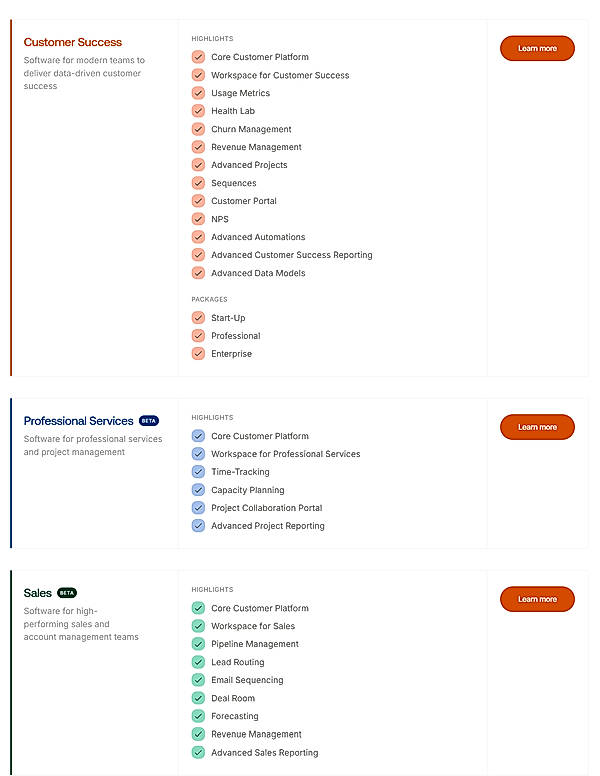
Frequently Asked QuestionsWhat Is Churnzero?ChurnZero is a customer success platform designed to reduce customer churn. It provides tools for customer engagement and retention. ChurnZero integrates with existing CRM systems to offer real-time insights. It helps businesses track customer behavior and satisfaction. This enables proactive measures to enhance customer loyalty. How Does Evaluationshub Work?Evaluationshub is a platform for managing customer evaluations and feedback. It helps businesses gather and analyze customer opinions. The tool streamlines the review process, making it efficient. Evaluationshub offers insights to improve product offerings. Its analytics help in understanding customer needs and preferences better. Which Platform Is Better For Customer Retention?Both ChurnZero and Evaluationshub offer unique features for retention. ChurnZero excels in engagement tools and integrations. Evaluationshub focuses on feedback management and analytics. The choice depends on business needs and priorities. Consider evaluating both platforms based on specific requirements. Can Churnzero Reduce Churn Effectively?Yes, ChurnZero is designed to minimize customer churn. It offers real-time analytics and engagement strategies. The platform helps in identifying at-risk customers. Businesses can implement targeted actions to retain them. Its proactive approach is effective in sustaining customer loyalty. ConclusionChoosing between ChurnZero and EvaluationsHub depends on your needs. ChurnZero excels in customer success management. EvaluationsHub shines in performance evaluations. Both offer unique benefits. Consider your goals carefully. Think about integration options. Evaluate pricing plans. Each platform caters to specific requirements. Understand your business priorities. Assess ease of use for your team. Both have strong support systems. Try free trials if available. Experience firsthand to make an informed decision. Your choice should enhance productivity. Remember, the best tool fits your organization’s strategy. Make a choice that aligns with your objectives.
Introduction to Supply Chain TransparencyIn today’s global economy, supply chain transparency is not just a buzzword but a strategic necessity. It refers to the extent of visibility that companies have into their supply chain operations, from sourcing raw materials to delivering finished products. This transparency enables businesses to verify product authenticity, ensure compliance with regulations and standards, and manage risks effectively. The importance of supply chain transparency has been underscored by increasing consumer awareness and demands for ethical business practices. Consumers are more informed than ever about the origins and production environments of the goods they purchase. As a result, companies are pushed towards not only tracking their direct suppliers but also delving deeper into secondary tiers of their supply chains. Achieving high levels of transparency can be daunting due to the complexity and scale of modern supply chains. Challenges include dealing with multiple stakeholders across different geographies, varied regulatory environments, logistical hurdles, and often opaque supplier networks. These complexities make it difficult for purchasing managers to gain a holistic view of their procurement strategies. To address these challenges effectively, tools like EvaluationsHub’s Centralized Data platform come into play. These platforms offer robust solutions by centralizing data from various points in the supply chain thereby enhancing visibility and decision-making capabilities for businesses striving towards greater operational clarity and efficiency. This section explores why achieving such transparency is critical in navigating today’s complex market landscapes efficiently while maintaining compliance with international norms and meeting consumer expectations for sustainability and ethical responsibility in business practices. The Challenges of Achieaching Full Visibility in Supply ChainsThe quest for full visibility in supply chains is fraught with complexities and hurdles that can stump even the most seasoned professionals. The ability to track every component, from raw materials to finished goods, involves a delicate interplay of technology, collaboration, and strategic planning. Understanding these challenges is crucial for organizations aiming to enhance operational transparency and efficiency. Data Fragmentation: One primary obstacle is the fragmented nature of data across various stages of the supply chain. Different stakeholders—manufacturers, suppliers, logistics providers—often use disparate systems that do not communicate seamlessly with each other. This disconnection results in silos of information that obstruct clear visibility and hinder effective decision-making. Lack of Real-Time Data: In many cases, data collected during different supply chain processes are not updated in real time. Delays in data updates can lead to significant discrepancies between recorded information and actual stock levels or production statuses. Such lags make it difficult for purchasing managers to respond swiftly to changes or disruptions within the supply chain. Complexity in Supplier Networks: Modern supply chains are rarely linear; they resemble intricate networks involving multiple tiers of suppliers across diverse geographies. Each additional layer adds complexity and potential vulnerability points where visibility can falter without rigorous management practices. Technological Disparity: While some segments of a supply chain might benefit from advanced technologies like IoT sensors or blockchain for tracking purposes,Variability In technological adoption among different actors further complicates unified oversight.
To address these challenges effectively requires an integrated approach combining innovative technology solutions with strategic collaborations throughout the entire network_supply_chain ecosystem – an approach where platforms like EvaluationsHub could play transformative roles by centralizing data accessibly transparently thus enhancing overall visibility within complex frameworks markets operate upon today’s global stage). How EvaluationsHub Enhances Transparency Through Centralized DataIn the complex landscape of modern supply chains, achieving transparency is often hindered by decentralized data and fragmented information systems. EvaluationsHub addresses these challenges head-on by providing a centralized platform that enhances visibility throughout the procurement process. This section explores how EvaluationsHub’s innovative approach can revolutionize transparency in supply chains, offering substantial benefits to purchasing managers and stakeholders alike. Centralized Information System: At its core, EvaluationsHub consolidates data from various stages of the supply chain into a single, accessible repository. This centralization eliminates the common barriers caused by siloed information, allowing for seamless access to real-time data across departments and geographical locations. Purchasing managers can monitor supplier performance metrics, track delivery schedules, and manage inventory levels all through one intuitive interface. Data Accuracy and Reliability: With centralized data management, EvaluationsHub significantly reduces errors associated with manual entry and outdated information. The platform ensures that all stakeholders are viewing the most current data available which is crucial for making informed decisions quickly. This accuracy not only boosts operational efficiency but also strengthens trust between trade partners by fostering a transparent environment where each action can be validated. Improved Decision-Making: By integrating analytics tools within its system, EvaluationsHub helps purchasing managers derive meaningful insights from complex datasets. These analytics aid in identifying trends such as purchase patterns or potential bottlenecks before they become critical issues. Consequently, decision-makers are better equipped to respond proactively to market changes and optimize their strategies accordingly. Risk Management: Enhanced transparency inherently diminishes risks related to compliance and fraud which are prevalent in opaque operations. EvaluationsHub’s comprehensive oversight capabilities enable early detection of anomalies or non-compliance issues across suppliers ensuring that corrective measures are implemented swiftly without disrupting the supply chain flow. Evaluating these facets reveals how vital a tool like EvaluationsHub is in promoting clear visibility within sprawling global networks—ultimately leading towards more sustainable business practices that benefit both companies and consumers alike. Case Studies: Success Stories Using EvaluationsHub for Improved VisibilityIn the complex terrain of global supply chains, transparency is not just a goal—it’s a necessity. Let’s delve into several case studies where EvaluationsHub has played a pivotal role in transforming supply chain operations through enhanced visibility and centralized data management. 1. Electronics Manufacturer Reduces Lead Times by 25% A leading electronics manufacturer faced frequent delays due to opaque supplier processes and inconsistent data handling. After integrating EvaluationsHub into their system, they achieved remarkable improvements in real-time tracking of components across multiple stages of the supply chain. The result was a staggering 25% reduction in lead times and improved delivery predictability, directly impacting customer satisfaction positively. 2. Automotive Supplier Enhances Compliance Tracking An automotive parts supplier struggled with regulatory compliance across different markets due to lack of clear visibility into their suppliers’ adherence to standards. With EvaluationsHub’s centralized data capabilities, they could now systematically track compliance documentation and audit reports from suppliers globally. This not only streamlined their quality assurance process but also reduced risks associated with non-compliance penalties. 3. Fashion Retailer Boosts Ethical Sourcing Practices Ethical sourcing became feasible for a major fashion retailer once they incorporated EvaluationsHub’s tools into their procurement strategy. By using the platform’s detailed analytics on supplier performance and sustainability practices, the company could make better-informed decisions that aligned with their corporate social responsibility goals—leading to an enhancement in brand reputation alongside increased consumer trust. These success stories underline how EvaluationsHub’s Centralized Data empowers companies across various industries to not only meet but exceed their operational efficiencies while maintaining high standards of ethics and compliance within the complexities of modern-day supply chains. Implementing EvaluationsHub in Your Procurement StrategyIncorporating EvaluationsHub into your procurement strategy can significantly enhance the visibility and efficiency of your supply chain operations. As a purchasing manager, understanding the integration process and its benefits is crucial for a smooth transition and maximal utilization of this innovative platform. Here are practical steps to seamlessly integrate EvaluationsHub into your existing systems. Step 1: Assess Current Procurement Processes Begin by conducting a thorough analysis of your current procurement practices. Identify any gaps in data visibility and areas where supply chain transparency could be improved. This initial assessment will help tailor the implementation of EvaluationsHub to meet specific organizational needs, ensuring it complements existing workflows rather than disrupting them. Step 2: Set Clear Objectives Determine what you aim to achieve with EvaluationsHub’s centralized data capabilities. Whether it’s improving supplier reliability, reducing procurement costs, or enhancing compliance tracking, setting clear goals will guide the customization of features within the tool to best suit your business objectives. Step 3: Engage Stakeholders Gather input from all stakeholders involved in procurement processes including sourcing managers, supply chain analysts, and IT personnel. Their insights will not only facilitate smoother integration but also ensure that each function can leverage EvaluationsHub’s features effectively. Step 4: Training & Support Prioritize training for all users on how to utilize EvaluationsHub effectively. Comprehensive support materials such as tutorials, FAQs, and regular training sessions can empower users to maximize the platform’s capabilities thereby enhancing overall productivity. Step 5: Monitor & Optimize Maintain an ongoing evaluation mechanism that monitors outcomes against set objectives regularly. Use analytics provided by Medallia vs. EvaluationsHub: Listening Broadly or Acting Precisely?When you’re investing in customer and stakeholder feedback, it’s easy to assume more data equals better insight. Platforms like Medallia were built around that idea: collect every signal, analyze every interaction, and build a full 360° view of the customer. But sometimes, you don’t need to listen to the entire internet. You need to evaluate performance across specific projects, suppliers, onboarding journeys, or cross-functional teams—with clear structure, scores, and ownership. That’s where EvaluationsHub thrives. While Medallia captures unstructured feedback at scale, EvaluationsHub delivers precise, structured evaluations, automated follow-ups, and accountability dashboards that move organizations forward. Medallia: The Power of Unstructured Experience SignalsMedallia is known for:
It’s a powerful platform for consumer brands, call centers, and retailers that need to capture massive volumes of customer experience signals. But if your goal is to evaluate supplier risk, measure onboarding experience, or track stakeholder performance, Medallia isn’t built for that level of structure or accountability. EvaluationsHub: Structured Evaluation Meets Workflow AutomationEvaluationsHub is the better fit if you want to:
Think of it as feedback with structure, teeth, and forward motion. Comparison Table: Medallia vs. EvaluationsHub
Who Should Choose EvaluationsHub?Choose EvaluationsHub if you:
It’s not about listening to everything. It’s about listening with purpose—and doing something about it. Final Word: From Signals to ActionMedallia is like a radar: it picks up everything. EvaluationsHub is like a GPS: it gives you direction. If your priority is signal processing at scale, Medallia delivers. See the Difference in 48 HoursEvaluationsHub comes with one free fully managed external account or free unlimited trial of 14 days. Zendesk vs. EvaluationsHub: Reactive Support vs. Proactive EvaluationWhen it comes to managing the customer experience, Zendesk has long been the go-to for handling inbound tickets, support automation, and helpdesk operations. It’s a rock-solid platform for responding when customers reach out. But what if you want to go beyond reacting to problems—what if you want to proactively evaluate customer success, onboarding experience, or supplier performance before issues arise? That’s where EvaluationsHub comes in. While Zendesk focuses on managing support, EvaluationsHub focuses on structured feedback flows—pushed automatically to internal teams, customers, or suppliers. If Zendesk answers questions, EvaluationsHub asks the right ones—at the right time, with built-in accountability. Zendesk: Built for Reactive CXZendesk is ideal if:
Zendesk helps you stay organized when customers reach out with problems. But it doesn’t help you evaluate performance across onboarding, product experience, or multi-stakeholder projects. EvaluationsHub: Built for Proactive Evaluation & Follow-UpEvaluationsHub lets you:
Instead of reacting to issues, you’re actively measuring satisfaction, alignment, and performance—before the frustration hits. Zendesk vs. EvaluationsHub: Side-by-Side Comparison
Why Use EvaluationsHub With or Instead of Zendesk?Use Zendesk to handle inbound requests.
Together, they form a complementary loop—Zendesk handles complaints, EvaluationsHub prevents them. Final VerdictIf your customer experience strategy is built solely around responding to issues, Zendesk is the right choice. But if you want to get ahead of problems, and run structured evaluations that drive alignment, satisfaction, and accountability, EvaluationsHub fills the gap. Think of it as the layer that transforms vague feedback into measurable improvement. Try EvaluationsHub – No Demo NeededLaunch a real evaluation—supplier, customer, or internal—for free. Introduction to Strategic Supplier PartnershipsIn today’s competitive business landscape, strategic supplier partnerships are more than just contractual relationships; they are a pivotal element in fostering innovation and achieving market leadership. These partnerships go beyond traditional buyer-seller transactions to create symbiotic relationships that leverage the strengths of both parties for mutual benefit. At their core, strategic supplier partnerships involve a collaborative approach where companies and their suppliers work closely to co-develop products, improve processes, and solve complex challenges together. This collaboration can lead to enhanced product quality, reduced costs, increased efficiency, and accelerated time-to-market for new innovations. By integrating suppliers into key business processes, organizations can tap into external expertise and resources that may not be available internally. The concept is further enriched through methodologies like The EvaluationsHub Approach to Collaborative SRM (Supplier Relationship Management), which emphasizes not only aligning organizational goals but also fostering an environment of continuous improvement and innovation sharing between partners. This approach involves identifying potential strategic suppliers early on who align with the company’s vision and values as well as maintaining these relationships through transparent communication strategies and shared incentives. An effective strategic supplier partnership thus requires a deliberate effort from higher management down to operational teams to ensure alignment on goals such as sustainability practices or technology integration efforts. Organizations looking forward should view these partnerships not merely as supply chain interactions but as strategic assets capable of driving long-term value creation. Identifying and Evaluating Potential Strategic SuppliersIn the realm of strategic supplier partnerships, identifying and evaluating potential suppliers stands as a critical first step. This process is foundational in building a robust supply chain that fosters innovation and competitive advantage. The focus is not only on finding suppliers who can deliver goods and services but also on identifying those who align with your company’s long-term strategic goals. The initial phase involves detailed market research to shortlist potential suppliers. This includes analyzing industry reports, trade journals, and leveraging platforms like EvaluationsHub for insightful peer reviews and ratings. Once potential suppliers are identified, the evaluation process follows several key criteria:
The next crucial step is deploying tools like EvaluationsHub’s Collaborative SRM (Supplier Relationship Management) technology which aids in continuously monitoring performance against these criteria. This tech-based approach helps maintain a dynamic evaluation system that adapts as both businesses evolve over time. Finding the right strategic partners involves thorough diligence during this identification phase; however it sets up companies for successful long-term collaborations that drive mutual growth through innovation. Building and Maintaining Strong Relationships with Suppliers for InnovationIn today’s competitive business environment, fostering strong relationships with suppliers is crucial for driving innovation. The EvaluationsHub Approach to Collaborative Supplier Relationship Management (SRM) emphasizes a strategic, partnership-oriented method that benefits both parties. This section explores key strategies to build and maintain these valuable relationships. Open Communication Channels: Establishing open lines of communication is foundational in any relationship but is particularly vital in supplier partnerships. Regular meetings, updates, and feedback sessions help ensure that both parties are aligned with the goals and expectations of the collaboration. Mutual Goals and Objectives: Aligning on mutual goals not only sets a clear direction but also fosters a sense of joint ownership over outcomes. This alignment can be facilitated by collaborative planning sessions where both parties contribute to setting achievable targets that drive innovation.
Leveraging Technology: Utilizing advanced SRM tools like those provided by EvaluationsHub allows businesses to streamline processes such as performance tracking, data analysis, and communications management effectively enhancing collaboration efficiency while reducing errors inherent in manual processes. To conclude, maintaining robust supplier relationships through effective communication practices, shared objectives including risk-sharing mechanisms along with leveraging state-of-the-art technology significantly contributes towards innovation-driven growth which ultimately gives your company an edge over competitors who might still rely on traditional methods of supplier management. Case Studies: Success Stories of Strategic Supplier PartnershipsIn the realm of business, strategic supplier partnerships stand as a beacon of innovation and efficiency. These alliances are not just about sourcing products or services but fostering robust relationships that ignite creative solutions and propel mutual growth. Below, we delve into several success stories that highlight the transformative impact of such collaborations. Automotive Industry Breakthroughs A leading example comes from the automotive sector where a well-known car manufacturer partnered with a technology supplier to develop autonomous driving capabilities. This collaboration involved sharing sensitive data, aligning engineering teams, and setting unified goals which led to breakthrough innovations in vehicle automation and safety features. The partnership not only accelerated product development but also strengthened market positioning for both companies. Pharmaceutical Advancements Through Collaboration In another instance, a major pharmaceutical company joined forces with a biotech firm to enhance drug discovery processes using artificial intelligence (AI). By integrating the biotech’s AI expertise with its own R&D prowess, they were able to significantly shorten the drug development timeline while improving predictive accuracies for treatment efficacies thereby saving costs and expediting time-to-market for essential medications. Retail Reinvention via Supply Chain Optimization The retail industry has also seen its share of successful strategic partnerships. A notable case involved a global retailer collaborating with a logistics provider to revamp their supply chain management system using advanced analytics platforms provided by EvaluationsHub Approach to Collaborative SRM. This strategic move enhanced inventory visibility across channels leading to better stock management decisions, reduced waste, and improved customer satisfaction through timely deliveries. These examples underline how leveraging collective strengths through strategic supplier partnerships can lead not only to incremental improvements but often quantum leaps in capability across industries. Each case demonstrates significant achievements in innovation catalyzed by commitment on both sides towards shared objectives. Leveraging Technology for Enhanced Supplier Relationship Management (SRM)In today’s competitive marketplace, leveraging technology to enhance Supplier Relationship Management (SRM) is not just a luxury—it’s a necessity. SRM technologies facilitate streamlined communication, improved efficiency, and deeper insights into supplier performance and compliance. By integrating advanced SRM systems like the EvaluationsHub Approach to Collaborative SRM, businesses can unlock significant value from their supplier partnerships. One of the key benefits of using technology in SRM is the ability to centralize all vendor data. This centralization allows purchasing managers to maintain an up-to-date view of their suppliers’ capabilities, performance metrics, risk levels, and compliance status. With real-time data at their fingertips facilitated by platforms such as EvaluationsHub, managers can make informed decisions quickly—thus accelerating response times during critical supply chain decisions. Tech-enabled SRM tools also offer powerful features like automated tracking and reporting functionalities which significantly reduce manual workloads while increasing accuracy. These features ensure that every stakeholder has access to the same information thus fostering transparency across departments. Moreover, they help in identifying trends or discrepancies that could affect supply chain resilience or innovation goals. An essential aspect of modern SRR technologies is their ability to foster collaboration between buyers and suppliers through shared digital spaces where ideas can be exchanged seamlessly.The EvaluationsHub Approach, for instance,supports interactive forumsandreal-time feedback mechanisms that encourage open dialogue,further building trust and encouraging joint innovation efforts without compromising on confidentiality or security. In conclusion,EvaluationsHub’s collaborative tools represent a paradigm shift in how businesses manage supplier relationships,focusing not just on operational efficiency but also on strategic value creation. Embracing this approach can lead your company towards more innovative solutions while maintaining strong ties with key partners—a crucial edge in today’s dynamic business environments. 
|