
RFX Tools Explained: Supplier Bidding Platforms, RFP Software, and RFQ Automation

RFX tools are the engines behind modern sourcing events and procurement tender management. “RFX” covers requests for information, proposals, and quotations. Together, supplier bidding platforms, RFP software, and RFQ automation structure how organizations invite suppliers, compare options, and document decisions with audit-ready clarity. These tools reduce manual effort, improve competition, and create a consistent way to evaluate value, risk, and delivery capability.

  • Supplier bidding platforms: Centralize competitive events, from simple quote collections to complex auctions. They standardize timelines, rules, and communications, giving buyers and suppliers a shared view of requirements, milestones, and outcomes. The result is a transparent, fair process with traceable decisions.
  • RFP software: Best for complex categories where total value matters more than price alone. RFP workflows capture technical responses, service models, sustainability credentials, and commercial terms. Scoring models translate criteria into comparable supplier evaluations, enabling data-driven selection and clearer negotiations.
  • RFQ automation: Optimized for price-focused, specification-stable buys. RFQ tools automate request distribution, normalize quote formats, and highlight landed cost differences. They speed cycle times and reduce errors in repetitive or high-volume quoting.

Effective RFX execution depends on thoughtful design: clear specifications, risk and compliance questions, scoring weightings, and supplier feedback channels. When these elements are embedded, sourcing events produce reliable comparisons and defensible awards while improving supplier experience.

It is important to place RFX tools in the broader procurement architecture. ERP systems manage transactions like purchase orders and invoices. RFX platforms manage supplier selection during sourcing. Supplier Relationship Management (SRM) layers operationalize accountability after the award. Full-lifecycle SRM infrastructure, such as EvaluationsHub, converts RFX outcomes into supplier lifecycle visibility, enabling closed-loop supplier management, performance-driven supplier relationships, and end-to-end supplier governance.

Data continuity ties it all together. Information gathered during onboarding and RFX—capabilities, certifications, risk indicators, commercial commitments—feeds performance KPIs, issue management, and improvement actions. Over time, this supports cross-supplier benchmarking, structured supplier engagement models, and measurable supplier development. In short, supplier bidding platforms, RFP software, and RFQ automation deliver sourcing decisions; SRM turns those decisions into sustained results through governance, transparency, and continuous improvement cycles.

Designing Sourcing Events and Procurement Tender Management with Data-Rich RFX Workflows

Effective procurement tender management depends on well-designed sourcing events that use data-rich RFX workflows. When RFP software, RFQ automation, and supplier bidding platforms work together, they create standardized, comparable submissions while embedding governance and auditability. The goal is not just to pick a supplier, but to build a traceable foundation for performance, risk, and collaboration across the supplier lifecycle.

Design RFX packages to capture structured data that feeds both selection and later relationship management:

  • Scope and technical requirements with clear acceptance criteria
  • Commercial structures such as price tiers, volume breaks, cost elements, and total cost of ownership
  • Risk and compliance fields including certifications, ESG policies, information security, and HSE controls
  • Performance expectations such as SLAs, KPIs, service windows, and quality targets
  • Collaboration and governance terms covering reporting cadence, improvement cycles, and corrective actions
  • Supplier profile details on capabilities, capacity, references, and financial posture

Sourcing event design should be intentional and transparent. Key elements include:

  • Event strategy and lotting to enable competitive tension and scenario analysis
  • Weighted scoring models that blend price and non-price criteria for balanced outcomes
  • Standardized Q&A, clarifications, and time-boxed milestones for fairness
  • Approval workflows, time-stamped submissions, version control, and audit trails

RFQ automation ensures consistent line-item responses, validation of units and currencies, and optional alternative bids for innovation and value engineering. RFP software supports narrative responses, attachments, and cross-functional evaluations with structured scoring and consensus. Supplier bidding platforms provide a secure, fair, and transparent environment for submissions, enabling real-time status tracking and clear communication rules.

The value multiplies when RFX data flows into an SRM infrastructure layer such as EvaluationsHub. Awarded KPI targets become the baseline for scorecards. Risk declarations become monitored indicators. Commercial and service commitments convert into improvement actions with owners and timelines. Over time, this creates supplier lifecycle visibility, closed-loop supplier management, and performance-driven supplier relationships supported by cross-supplier benchmarking.

In the broader procurement architecture, ERP manages transactions, sourcing tools manage supplier selection, and SRM manages end-to-end supplier governance and collaboration. Data-rich RFX workflows connect these layers, enabling a structured supplier engagement model with performance transparency, governance, and continuous improvement grounded in the original tender.

Placing RFX in the Procurement Architecture: ERP Transactions, Sourcing Selection, and End-to-End Supplier Governance via SRM

In a modern procurement architecture, RFX tools sit between transactional processing and relationship governance. Enterprise Resource Planning (ERP) systems execute purchase orders, receipts, and invoices; sourcing events shape commercial choices through supplier bidding platforms, RFP software, and RFQ automation; and Supplier Relationship Management (SRM) sustains outcomes over time. The bridge between these layers is crucial. Effective procurement tender management generates structured data—prices, capabilities, service levels, and risk disclosures—that should feed directly into end-to-end supplier governance rather than ending at award.

  • ERP (transactions): Executes and records buying activity, ensures fiscal controls, and anchors auditability.
  • RFX and sourcing selection: Uses supplier bidding platforms, RFP software, and RFQ automation to run sourcing events, compare proposals, and document award rationales.
  • SRM (relationships and accountability): An infrastructure layer, such as EvaluationsHub, that converts RFX decisions into supplier lifecycle visibility, closed-loop supplier management, and performance-driven supplier relationships.

Data continuity is the operating principle that connects these layers. RFX outputs should become the initial baseline for performance and risk in SRM, linking onboarding data to measurable KPIs and improvement actions. Award rationales translate into scorecard criteria; negotiated commitments become tracked metrics; and risk responses turn into monitored indicators. This creates a structured supplier engagement model where governance is proactive, collaborative, and transparent across functions.

  • From RFX to SRM, key handoffs include:
  • Baseline KPIs and service levels derived from winning proposals.
  • Risk indicators and compliance attestations mapped to ongoing monitoring.
  • Improvement actions and milestones linked to corrective programs.
  • Supplier segmentation and benchmarking initiated from evaluation results.
  • Contractual obligations aligned with performance reviews and scorecards.

This architecture emphasizes complementarity, not replacement: ERP manages transactions; sourcing tools manage supplier selection; and a full-lifecycle SRM platform governs relationships, outcomes, and improvement. Positioned as the operational control layer, SRM provides unified supplier intelligence, performance transparency, and risk-aware collaboration—ensuring that the value created through RFX processes is sustained through continuous improvement cycles and measurable supplier value creation.

Converting RFX Outcomes into Supplier Lifecycle Visibility: Closed-Loop Supplier Management and Performance-Driven Supplier Relationships

RFX results carry more value than price points. When data from RFP software, RFQ automation, and supplier bidding platforms is converted into operational insights, organizations gain supplier lifecycle visibility and can run closed-loop supplier management. This shift connects sourcing events and procurement tender management with day-to-day performance, risk, and collaboration.

An SRM infrastructure layer such as EvaluationsHub serves as the operational control system that turns awarded bids into relationship outcomes. It links what suppliers promised during the event to how they perform, creating performance-driven supplier relationships built on shared evidence and continuous improvement.

  • Capture and normalize outcomes: Translate awarded prices, lead times, service levels, and scope into structured supplier records, scorecards, and governance plans.
  • Define measurable expectations: Convert bid commitments into clear KPIs and risk indicators, including delivery reliability, quality, cost trajectory, and sustainability metrics.
  • Establish shared performance visibility: Publish targets and baselines to both buyer and supplier, enabling transparent tracking, feedback, and accountability.
  • Run closed-loop governance: Schedule reviews, record actions, track corrective measures, and verify impact over time to ensure continuous improvement cycles.
  • Segment and benchmark: Compare suppliers across categories, identify relationship capital, and direct development resources where they create the most value.
  • Feed learning back to sourcing: Use historical benchmark data and improvement results to refine the next wave of sourcing events and procurement tender management decisions.

This data continuity spans the entire lifecycle: onboarding data informs prequalification, RFX outcomes define performance KPIs, ongoing monitoring reveals risk indicators, structured actions drive improvement, and historical benchmarking sustains long-term learning. The result is end-to-end supplier governance where selections made through RFP software and RFQ automation lead directly to measurable business outcomes.

In practice, this model enables unified supplier intelligence and performance-based collaboration. Buyers and suppliers operate from the same facts, discuss root causes earlier, and co-manage improvement programs with traceable results. Relationship orchestration replaces ad hoc escalation, strengthening governance and transparency without adding administrative burden.

By converting RFX outcomes into living scorecards, risk-aware engagement, and measurable supplier development, organizations move beyond transactional wins. They build a structured supplier engagement model that sustains value, reduces risk, and fuels closed-loop supplier management across the full lifecycle.

Enterprise Interoperability and Relationship Orchestration: Connecting RFX to EvaluationsHub, SAP, and Salesforce for a Structured Supplier Engagement Model

Modern procurement depends on systems that interoperate while serving distinct roles: ERP platforms like SAP execute transactions, RFX tools (RFP software, RFQ automation, and supplier bidding platforms) drive supplier selection, and an SRM layer such as EvaluationsHub orchestrates relationships and improvement over time. Connecting these layers creates a structured supplier engagement model that turns sourcing events and procurement tender management into performance-driven supplier relationships.

Interoperability ensures data continuity across the supplier lifecycle. Award decisions, cost models, and evaluation notes from RFX workflows flow into EvaluationsHub to establish initial expectations and governance. Transactional data from SAP (orders, receipts, quality incidents, invoice accuracy) then enriches performance KPIs. Collaboration signals from Salesforce (campaigns, escalations, joint programs) provide context for engagement. Combined, these streams create unified supplier intelligence, enabling supplier lifecycle visibility and closed-loop supplier management.

  • From RFX to SRM: RFP software and RFQ automation pass award rationales, scoring matrices, and total cost outcomes to initialize objectives, risks, and service-level expectations for each supplier.
  • From SAP to SRM: Delivery, quality, compliance, and cost-to-serve metrics feed recurring scorecards, turning transactions into measurable performance accountability.
  • From Salesforce to SRM: Stakeholder engagement, issue resolution, and joint improvement initiatives synchronize as structured feedback loops and action plans.
  • Back to the enterprise: EvaluationsHub publishes performance KPIs, risk indicators, and improvement status to SAP and Salesforce, promoting governance and shared performance visibility between buyer and supplier.

This integration pattern supports end-to-end supplier governance. It links onboarding data to performance KPIs, ties risk indicators to improvement actions, and preserves historical benchmarking across categories and regions. The result is relationship orchestration: cross-supplier benchmarking informs segmentation, structured improvement tracking sustains continuous improvement cycles, and risk-aware relationship management aligns internal stakeholders with suppliers on clear objectives.

By sitting above transactional systems, the SRM lifecycle platform complements—rather than replaces—ERP and sourcing tools. Supplier bidding platforms optimize competitive selection; SAP executes the awarded work; EvaluationsHub maintains the ongoing accountability model. For organizations advancing from digital sourcing toward structured SRM governance and full lifecycle supplier relationship orchestration, this architecture enables data-driven supplier governance, performance-based collaboration, and measurable supplier development that persist long after the sourcing event concludes.
The Ultimate RFP Checklist Excel for Purchasing Managers

Are you a purchasing manager looking to streamline your RFP process? Whether you’re sourcing software, services, or strategic suppliers, a well-structured RFP can make or break your procurement success. That’s why we created the RFP Master Checklist Excel: a premium, multi-sheet template designed to guide you from planning to award.


🚀 Why This RFP checklist in Excel Stands Out

Unlike basic templates, this Excel is:

  • Professionally formatted with conditional formatting, filters, frozen panes, and styled tables.
  • End-to-end: Covers every phase from preparation to transition.
  • Automated: Includes formulas for overdue tasks, days remaining, and scoring.
  • Governance-ready: Tracks RACI roles, risks, approvals, and supplier compliance.
  • Dashboard-powered: Live KPIs and a pie chart update as you work.


📋 What’s Inside the RFP Master Checklist

1. Checklist Sheet

A comprehensive task list across all RFP phases:

  • Preparation
  • Requirements gathering
  • Market sounding
  • RFP drafting
  • Approvals
  • Issuance
  • Supplier Q&A
  • Evaluation
  • Negotiation
  • Award
  • Contracting
  • Transition


Each task includes:

  • RACI columns (Responsible, Accountable, Consulted, Informed)
  • Priority and status dropdowns
  • Start and due dates
  • Automatic overdue flags


2. Dashboard

Real-time metrics:

  • Total tasks
  • % complete
  • Status breakdown (Done, In Progress, Blocked, Not Started)
  • Overdue count

Includes a dynamic pie chart and summary notes.

3. Scoring Matrix

Weighted evaluation criteria:

  • Commercial
  • Technical
  • Service
  • Risk
  • Sustainability
  • Strategic alignment

Supports up to 3 suppliers with auto-calculated weighted scores.


4. Supplier Compliance Tracker

Log:

  • NDA status
  • Minimum requirement checks
  • Conflict of interest
  • Diversity category
  • Kraljic criticality


5. Risk Register

Score risks by likelihood × impact, with color-coded heat mapping.

6. Timeline Sheet

Track milestone dates and calculate delays automatically.

7. Q&A Log

Maintain a publishable audit trail of supplier questions and your responses.

8. Evaluation Team Sheet

Track roles, scoring rights, and COI sign-off.

9. Documents & Approvals

Version control, approval status, and links to key files.

10. ReadMe Sheet

Quick tips and credits — including a mention of EvaluationsHub, the SRM platform powering smarter sourcing.

🧠 Built by EvaluationsHub

This template is curated by EvaluationsHub, a supplier relationship management platform built for mid-market and enterprise procurement teams. EvaluationsHub offers end-to-end supplier lifecycle management tools for SRM:
  • Native ERP integrations
  • Supplier portals for RFx

🔗 Download the Template

Get your copy of the RFP Master Checklist Excel here: RFP_Master_Checklist_EvaluationsHub

💡 Final Thoughts

Whether you’re running a complex IT RFP or sourcing indirect services, this Excel gives you structure, visibility, and control. It’s not just a checklist — it’s a full RFP operating system.
Try it, customize it, and win your next sourcing project with confidence.

🔄 Full Supplier Lifecycle Management: From First Bid to Final Offboarding with EvaluationsHub

Procurement leaders know that managing suppliers isn’t just about awarding contracts. It’s about building strong, transparent, and sustainable relationships throughout the entire supplier journey. Yet, too often, teams are stuck with fragmented tools: one for sourcing, another for onboarding, and endless spreadsheets for performance and compliance.

At EvaluationsHub, we believe supplier management should be continuous, integrated, and effortless. That’s why we’re proud to introduce our full lifecycle supplier management capabilities — giving you one seamless workflow from first sourcing event to final offboarding.


1️⃣ Sourcing: Find the Right Partners, Fast

Every relationship starts with a sourcing decision. With EvaluationsHub, sourcing goes beyond price:

  • Run RFPs, RFQs, and RFIs with custom categories and weightings.

  • Collect inputs from cost models, certifications, surveys, and stakeholder feedback.

  • Score suppliers objectively with aggregated dashboards.

  • Provide suppliers with a branded portal for a professional and transparent experience.

👉 Instead of chasing documents and emails, procurement teams get a structured, auditable sourcing process that accelerates decision-making.

2️⃣ Onboarding: Seamless and Self-Service

Once a supplier is selected, onboarding is often where friction begins. Our Supplier Information Management (SIM) makes it easy:

  • Suppliers upload and maintain their own certifications, insurances, and documents.

  • A dynamic org chart view maps responsibilities and contact persons.

  • Automated workflows ensure all compliance requirements are met before a supplier is activated.

The result: onboarding that’s faster for procurement and more professional for suppliers.


3️⃣ Performance & Risk: Keep Track of What Matters

Supplier management isn’t “set and forget.” EvaluationsHub enables continuous performance tracking with both quantitative and qualitative inputs:

  • Link spend data, contract compliance, and KPIs.

  • Gather feedback from meetings, surveys, and audits.

  • Track certifications and ESG compliance in real time.

  • Spot risks early with alerts for expiring documents or missed performance thresholds.

This creates a 360° view of each supplier — ensuring procurement leaders always know where they stand.

4️⃣ Contracts & Spend: Control Without Complexity

Suppliers deliver value through agreements. With our lightweight spend and contract tracking:

  • Every supplier has a clear spend overview.

  • Contracts are securely stored with a full audit log.

  • Renewal reminders ensure no surprises from expired agreements.

This means procurement stays in control without the complexity of heavy, siloed spend tools.

5️⃣ Offboarding: End Relationships Smoothly

When a supplier relationship ends, offboarding should be as structured as onboarding:

  • Archive contracts and spend data for audit readiness.

  • Retain performance and risk records for future reference.

  • Ensure compliance by confirming all obligations are closed.

Instead of gaps and forgotten details, EvaluationsHub gives procurement a clean, professional offboarding process that protects both the business and the brand.

🌍 Why Lifecycle Management Matters

A supplier relationship is a journey. By managing it holistically:

  • Procurement can defend every decision with data.

  • Suppliers experience clarity and professionalism at every stage.

  • Organizations build a resilient, compliant, and innovative supply base.

With EvaluationsHub, lifecycle management isn’t fragmented. It’s end-to-end, integrated, and future-ready. EvaluationsHub moved from being a very strong supplier performance management tool to an end-to-end Supplier Relationship Management (SRM) tool.

RFx processes (RFI, RFP, RFQ) Automated by EvaluationsHub

In procurement and supplier management, every decision counts. The right supplier can unlock long-term value, while the wrong one can create hidden risks and costs that ripple through the business. For decades, organizations have relied on RFx processes (RFI, RFP, RFQ) to create structure and comparability in sourcing decisions. But let’s face it: too often, these processes are cumbersome, one-dimensional, and disconnected from the broader supplier relationship management journey.

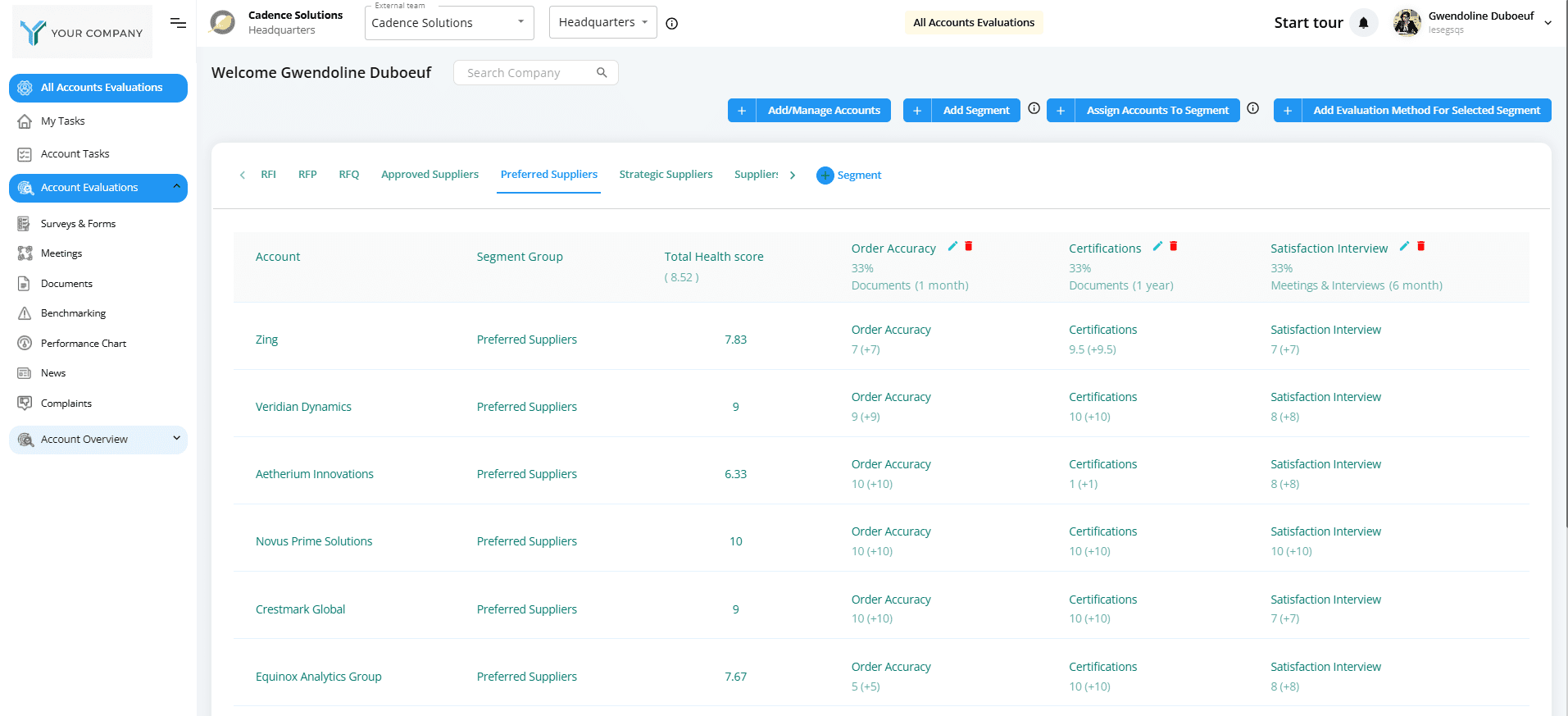
That’s why we’re thrilled to announce our latest release: Integrated RFx Management in EvaluationsHub. With this launch, we’re transforming how organizations design, run, and evaluate RFx processes—bringing in richer data, supplier collaboration, and actionable scoring that moves beyond simple price comparison.

This isn’t just another tool for running RFPs. It’s a smarter way to source, one that reflects the reality of modern procurement: multi-dimensional, data-driven, and relationship-centric.


Why RFx Needs Reinvention

Traditional RFx workflows often fall short for three reasons:

  1. Overemphasis on price. Too many decisions are reduced to cost, ignoring qualitative factors like innovation, sustainability, or supplier reliability.

  2. Fragmented inputs. Information is scattered across emails, spreadsheets, PDFs, and meetings—making it difficult to synthesize into a clear decision framework.

  3. Poor supplier experience. Suppliers often feel like they’re submitting into a black box, with little transparency or engagement.

The result? Suboptimal supplier choices, higher switching costs, and relationships that start off transactional instead of collaborative.

At EvaluationsHub, we believe sourcing deserves better. Our new RFx module doesn’t just digitize old processes—it elevates them.


Categories: Organize What Matters

Not all suppliers are equal—and not all categories are either. Our RFx release allows procurement teams to design sourcing events by category, ensuring apples-to-apples comparisons within defined scopes.

Whether you’re running an RFQ for logistics providers, an RFP for IT services, or an RFI for sustainability partners, you can tailor categories with weighted criteria that reflect your business priorities.

For example:

  • In logistics, on-time delivery and cost per shipment might be critical.

  • In IT services, innovation capability and security certifications could matter more.

  • In packaging, sustainability metrics may carry top weight.

By structuring sourcing around categories, you avoid one-size-fits-all templates and create decisions that align with strategy, not just spreadsheets.


Supplier Progression: Move the Right Partners Upstream

A key feature of EvaluationsHub’s RFx is the ability to move suppliers up through the sourcing process—from broad RFI discovery to targeted RFP competition to final RFQ negotiations.

This progression is not static. Based on scoring and evaluations, suppliers can move forward—or fall back—giving you a dynamic, transparent funnel that ensures only the most qualified suppliers reach the finish line.

Think of it as pipeline management for suppliers: you start broad, filter intelligently, and end with the best match. It’s faster, fairer, and ultimately more effective than manual shortlisting.


Branded Supplier Portal: Make It Collaborative

Suppliers don’t want to feel like nameless bidders. They want to engage, showcase their strengths, and understand what matters most to you. That’s why EvaluationsHub includes a branded supplier portal for RFx events.

With your company’s identity front and center, suppliers log into a professional portal where they can:

  • Submit proposals, documents, and certifications

  • Respond to surveys or questionnaires

  • Track their progress in the sourcing process

  • Engage in structured Q&A and meeting requests

The result? Professionalism meets collaboration. Suppliers see your sourcing process as transparent and well-structured, while you gain more complete and consistent inputs.


Beyond Price: Multi-Source Input for a Complete View

Procurement isn’t just about comparing bids. It’s about evaluating total value.

That’s why EvaluationsHub RFx goes beyond basic proposal collection. Our module allows you to capture input from multiple sources, both quantitative and qualitative:

  • TCO Documents: Import and standardize total cost of ownership data.

  • Meetings: Log and weight supplier meetings or presentations.

  • Surveys: Capture structured feedback from cross-functional stakeholders.

  • Certifications: Validate compliance with industry standards or sustainability goals.

  • Historical Performance: Integrate past scorecards, audits, or KPIs.

Every one of these inputs feeds into the same framework, ensuring decisions are based on evidence, not intuition.


Aggregated Scoring: One View That Brings It All Together

The challenge in sourcing isn’t lack of data—it’s too much data in too many places.

EvaluationsHub solves this by aggregating all inputs into a single supplier score, visualized in intuitive dashboards. Each criterion—price, quality, sustainability, service levels, certifications—carries the weight you assign.

The result is a transparent, defendable score that makes decisions easier to justify, both internally and to suppliers.

Imagine walking into a steering committee not with messy spreadsheets, but with a clear ranking of suppliers supported by both hard data and stakeholder input. That’s the power of aggregated scoring.


What This Means for Procurement Leaders

With EvaluationsHub RFx, you gain:

  • Speed: Automate supplier progression and scoring to cut cycle times.

  • Fairness: Ensure consistent evaluation criteria across all suppliers.

  • Transparency: Provide suppliers with a professional, branded experience.

  • Strategic value: Move beyond cost to include qualitative and strategic dimensions.

  • Defensibility: Back every sourcing decision with data-rich, aggregated scores.

In short: you elevate sourcing from an administrative burden to a strategic advantage.


A Day in the Life with EvaluationsHub RFx

Let’s bring it to life.

You’re a procurement manager sourcing a new facilities services partner. Here’s how it plays out:

  1. Define categories and criteria. You create an RFP under the “Facilities” category, weighting service quality (40%), cost (30%), and sustainability practices (30%).

  2. Launch supplier portal. Suppliers log into your branded portal, where they upload proposals, certifications, and respond to tailored questionnaires.

  3. Engage stakeholders. Your internal teams score qualitative factors through surveys, while finance uploads TCO models.

  4. Meetings and reviews. Shortlisted suppliers are invited to meetings, which are logged and scored directly in the platform.

  5. Aggregated scoring. EvaluationsHub brings all inputs into a single supplier score, ranking suppliers transparently.

  6. Decision and communication. You present results with data-rich dashboards and notify suppliers through the same portal—closing the loop with professionalism and clarity.

What once took weeks of emails, spreadsheets, and debates is now a structured, data-driven process that saves time and builds confidence.


Evaluationshub RFx Tool as Part of the Bigger Picture

This release is not a standalone feature—it’s part of our broader mission at EvaluationsHub: to help organizations manage supplier performance, risk, compliance, and relationships in a unified way.

RFx is where supplier relationships often begin. By integrating sourcing into the same platform that tracks ongoing performance, corrective actions, and collaboration, you create continuity across the entire supplier lifecycle.

Suppliers don’t just “win” a contract—they become part of a managed, data-rich relationship that evolves over time.


Ready to Elevate Your Sourcing?

Procurement teams everywhere are under pressure to deliver more: lower costs, more innovation, stronger resilience, and better sustainability outcomes. RFx is where many of those challenges converge.

With EvaluationsHub’s RFx module, you can:

  • Run sourcing processes that are structured, transparent, and fair

  • Capture both quantitative and qualitative inputs

  • Aggregate everything into a single, defensible score

  • Deliver a professional, branded supplier experience

It’s time to move sourcing out of spreadsheets and into the future.

Schedule a demo today and see how EvaluationsHub can transform your RFx process.

Introduction to Emerging Procurement Technology Trends

The landscape of procurement is undergoing a significant transformation, driven by the rapid advancement of technology. As organizations strive to enhance efficiency and competitiveness, emerging procurement technology trends are reshaping how businesses approach sourcing and supplier management. These innovations are not only streamlining operations but also providing strategic insights that were previously unattainable.

One of the most notable trends is the integration of digital sourcing innovations into procurement processes. This shift is enabling companies to move beyond traditional methods, leveraging data analytics and automation to make more informed decisions. By adopting emerging procurement software solutions, businesses can optimize their supply chains, reduce costs, and improve supplier relationships.

Moreover, these technologies are playing a crucial role in enhancing supplier evaluation and risk management. With tools designed for real-time monitoring and assessment, organizations can proactively address potential risks and ensure compliance with industry standards. This proactive approach is essential for maintaining resilience in an increasingly complex global market.

As we look towards the future of procurement tech, it becomes clear that collaboration will be at the forefront of innovation. Advanced procurement tools are facilitating better communication between stakeholders, fostering stronger partnerships with suppliers. These developments underscore the importance of embracing digital transformation in procurement—a topic explored further in our detailed guide on procurement digital transformation.

In conclusion, staying abreast of these emerging trends is vital for any organization aiming to thrive in today’s dynamic business environment. By understanding and implementing cutting-edge technologies, companies can position themselves as leaders in the field of digital sourcing.

The Role of Digital Sourcing Innovations in Modern Procurement

In the rapidly evolving landscape of procurement, digital sourcing innovations are playing a pivotal role in transforming traditional practices. These technological advancements are not only streamlining processes but also enhancing efficiency and transparency across the supply chain. By leveraging emerging procurement software, organizations can automate routine tasks, reduce manual errors, and focus on strategic decision-making.

One significant advantage of digital sourcing is its ability to provide real-time data and analytics. This capability allows procurement professionals to make informed decisions based on accurate insights into supplier performance and market trends. For instance, utilizing procurement analytics software can help identify cost-saving opportunities and optimize supplier relationships.

Moreover, digital sourcing tools facilitate better collaboration between stakeholders by centralizing communication and documentation. This integration ensures that all parties have access to the same information, reducing misunderstandings and fostering a more cohesive working environment. Advanced platforms also offer features like automated vendor assessment, which enhances supplier evaluation processes by providing consistent criteria for comparison.

Additionally, these innovations contribute significantly to risk management by offering real-time alerts on potential disruptions or compliance issues. By implementing systems that track supplier performance trends and analytics, companies can proactively address risks before they escalate into major problems. For more insights on enhancing supplier risk management, consider exploring this resource.

Overall, digital sourcing innovations are reshaping modern procurement by enabling organizations to operate more strategically and efficiently. As technology continues to advance, embracing these tools will be crucial for staying competitive in an increasingly dynamic market.

Key Features of Emerging Procurement Software Solutions

As the landscape of procurement continues to evolve, emerging software solutions are playing a pivotal role in streamlining processes and enhancing efficiency. These advanced tools offer a range of features designed to meet the dynamic needs of modern procurement teams.

One of the standout features is automation. By automating routine tasks such as purchase order management and invoice processing, procurement software significantly reduces manual effort and minimizes errors. This not only speeds up operations but also allows procurement professionals to focus on strategic activities.

Data analytics is another critical feature that empowers organizations with actionable insights. Advanced analytics capabilities enable teams to track supplier performance trends and optimize procurement strategies based on data-driven decisions. For more information on how analytics can enhance supplier performance, visit our page on tracking supplier performance trends and analytics.

The integration of collaborative tools within procurement software facilitates seamless communication between stakeholders. This enhances transparency and fosters better relationships with suppliers, leading to improved negotiation outcomes. To explore how collaboration can be enhanced through technology, check out our article on enhancing supplier collaboration with vendor portals.

Additionally, robust risk management features help organizations proactively identify potential risks associated with suppliers. Real-time alerts and comprehensive risk assessments ensure that companies can mitigate issues before they escalate. Learn more about enhancing risk management practices by visiting our page on enhancing supplier risk management for compliance.

In summary, emerging procurement software solutions are equipped with key features like automation, data analytics, collaborative tools, and risk management capabilities that collectively drive efficiency and strategic value in digital sourcing.

Enhancing Supplier Evaluation and Risk Management with Technology

In today’s fast-paced business environment, effective supplier evaluation and risk management are crucial for maintaining a resilient supply chain. Emerging procurement technology trends are transforming how organizations assess suppliers, manage risks, and ensure compliance. By leveraging digital sourcing innovations, companies can enhance their supplier evaluation processes and mitigate potential risks more efficiently.

One of the key advancements in this area is the use of supplier evaluation software. These tools enable businesses to automate the assessment process, reducing manual errors and increasing accuracy. By integrating real-time data analytics, organizations can gain deeper insights into supplier performance metrics, helping them make informed decisions.

Risk management is another critical aspect where technology plays a pivotal role. Advanced procurement solutions offer features like real-time risk alerts, allowing companies to proactively address potential issues before they escalate. This proactive approach not only safeguards the supply chain but also enhances overall operational efficiency.

Moreover, technologies such as machine learning and artificial intelligence are being utilized to predict potential disruptions by analyzing historical data patterns. This predictive capability empowers procurement teams to develop robust contingency plans and maintain business continuity.

For organizations looking to optimize their supplier evaluation strategies further, resources like enhanced supplier scorecards provide structured frameworks for assessing suppliers beyond traditional cost metrics. These tools help in aligning procurement objectives with broader business goals effectively.

In conclusion, embracing these technological advancements in supplier evaluation and risk management not only strengthens supply chains but also drives strategic value creation within organizations. As digital sourcing continues to evolve, staying abreast of these trends will be essential for future-proofing procurement operations.

Improving Collaboration through Advanced Procurement Tools

In the rapidly evolving landscape of procurement technology, enhancing collaboration among stakeholders is crucial for achieving operational efficiency and strategic alignment. Advanced procurement tools are at the forefront of this transformation, offering innovative solutions that facilitate seamless communication and cooperation across various departments and with external partners.

One of the key benefits of these tools is their ability to centralize data, providing a single source of truth for all procurement activities. This centralization not only streamlines processes but also ensures that all parties have access to up-to-date information, reducing misunderstandings and errors. By integrating centralized supplier data, organizations can enhance transparency and foster a collaborative environment.

Moreover, advanced procurement platforms often include features such as real-time messaging, shared dashboards, and collaborative workspaces. These functionalities enable teams to work together more effectively, regardless of geographical location. For instance, using vendor portals, companies can engage suppliers directly in the procurement process, ensuring that everyone is aligned on goals and expectations.

Additionally, leveraging automated workflows can significantly improve collaboration by reducing manual tasks and freeing up time for strategic initiatives. Automation helps in maintaining consistency across processes and allows teams to focus on value-added activities rather than administrative duties. To learn more about how automation can streamline sourcing workflows, visit this resource.

In conclusion, advanced procurement tools play a pivotal role in fostering collaboration by providing integrated platforms that connect people, processes, and technology. As organizations continue to embrace digital sourcing innovations, these tools will be essential in building stronger partnerships both internally and externally.

Future Outlook: How Procurement Tech is Shaping the Industry

The future of procurement technology is poised to revolutionize the industry by integrating advanced digital sourcing innovations and emerging procurement software solutions. As organizations increasingly rely on data-driven decision-making, procurement tech is set to enhance efficiency, transparency, and collaboration across supply chains.

One significant trend shaping the future of procurement is the integration of artificial intelligence (AI) and machine learning (ML) into procurement processes. These technologies enable predictive analytics, which can forecast demand and optimize inventory management. By leveraging AI, companies can also automate routine tasks, freeing up valuable resources for strategic activities.

Blockchain technology is another game-changer in the realm of digital sourcing innovations. It offers a secure and transparent way to track transactions and verify supplier credentials, thus enhancing trust and reducing fraud risks within supply chains. This technology ensures that all parties have access to real-time information, fostering better collaboration and communication.

Moreover, cloud-based platforms are becoming essential for modern procurement strategies. They provide scalable solutions that facilitate seamless integration with existing systems while offering real-time data access from anywhere in the world. This flexibility allows businesses to adapt quickly to changing market conditions and maintain a competitive edge.

The focus on sustainability is also driving changes in procurement practices. Emerging technologies are enabling organizations to assess their suppliers’ environmental impact more accurately and make informed decisions that align with corporate social responsibility goals.

As these trends continue to evolve, it is crucial for businesses to stay informed about procurement digital transformation strategies that can optimize their operations. By embracing these advancements, companies will be better positioned to navigate challenges and capitalize on opportunities in an ever-changing global marketplace.

Conclusion: Embracing the Future of Digital Sourcing

The landscape of procurement is rapidly evolving, driven by emerging technologies and digital sourcing innovations. As organizations strive to enhance efficiency and competitiveness, embracing these advancements becomes imperative. The future of procurement tech promises not only streamlined operations but also a transformative impact on supplier relationships, risk management, and collaboration.

By integrating cutting-edge procurement software solutions, businesses can optimize supplier evaluations and reduce risks effectively. For instance, leveraging supplier evaluation software allows for more accurate assessments and informed decision-making. Additionally, tools that facilitate real-time data analysis are crucial in managing supplier performance trends and analytics.

Moreover, advanced procurement tools foster improved collaboration across teams and with suppliers. By utilizing platforms that centralize supplier data and enhance communication channels, organizations can build stronger partnerships. This collaborative approach not only mitigates risks but also drives innovation through shared insights.

As we look ahead, the integration of digital sourcing technologies will continue to shape the industry landscape. Organizations must remain agile and open to adopting new solutions that align with their strategic goals. By doing so, they position themselves at the forefront of a dynamic market environment.

In conclusion, embracing the future of digital sourcing is not just about keeping pace with technological advancements; it’s about leveraging these tools to create value-driven procurement strategies. As businesses navigate this evolving terrain, focusing on continuous improvement and strategic alignment will be key to unlocking the full potential of procurement technology trends.

Understanding the Importance of Procurement Talent Management

Procurement talent management is a critical component in ensuring that organizations can effectively navigate the complexities of modern supply chains. As businesses increasingly rely on strategic sourcing to gain a competitive edge, having a skilled procurement team becomes indispensable. The ability to manage supplier relationships, negotiate contracts, and assess risks requires not only technical expertise but also strong interpersonal skills.

Effective procurement talent management involves identifying and nurturing individuals who possess the necessary skills and competencies to drive organizational success. This includes developing procurement skills such as analytical thinking, negotiation prowess, and an understanding of market dynamics. By investing in talent development, companies can build teams capable of making informed decisions that align with business goals.

Moreover, with the advent of digital transformation in procurement processes, there is a growing need for professionals who are adept at leveraging technology for enhanced supplier evaluation and risk management. Utilizing tools like procurement analytics software can provide valuable insights into supplier performance and help mitigate potential disruptions.

In conclusion, prioritizing procurement talent management not only enhances operational efficiency but also positions organizations to better respond to market changes. By fostering a culture of continuous learning and development within procurement teams, businesses can ensure they remain agile and competitive in an ever-evolving landscape.

Key Skills for Developing Procurement Professionals

In the evolving landscape of procurement, developing a skilled workforce is crucial for strategic success. Procurement professionals need to possess a blend of technical and soft skills to navigate complex supply chains effectively. Here are some key skills essential for their development:

  • Analytical Skills: The ability to analyze data and derive actionable insights is critical. Professionals should be adept at using procurement analytics software to optimize supplier performance and make informed decisions. For more on leveraging analytics, visit our article on procurement analytics software.
  • Negotiation Skills: Effective negotiation can lead to better terms and cost savings. Understanding how to enhance supplier negotiations with scorecard insights can provide a competitive edge.
  • Risk Management: Identifying and mitigating risks in the supply chain is vital. Familiarity with tools that offer real-time supplier risk alerts can significantly improve performance. Explore more about this in our guide on real-time supplier risk alerts.
  • Communication Skills: Clear communication fosters collaboration within teams and with suppliers. Building strong relationships through effective communication is essential for long-term success.
  • Technological Proficiency: As digital transformation reshapes procurement, being proficient in technology-driven solutions like automated vendor assessment tools becomes increasingly important. Learn about these advancements in our article on automated vendor assessment.

Cultivating these skills not only enhances individual capabilities but also strengthens the entire procurement function, driving strategic success across the organization.

Designing Effective Procurement Team Training Programs

Creating a robust training program for procurement teams is essential for nurturing talent and ensuring strategic success. A well-designed training program not only enhances the skills of procurement professionals but also aligns their capabilities with organizational goals.

To start, it’s crucial to identify the key competencies required for effective procurement management. These include negotiation skills, supplier relationship management, and an understanding of procurement analytics software. By focusing on these areas, organizations can ensure that their teams are equipped to handle complex sourcing challenges.

An effective training program should incorporate a mix of theoretical knowledge and practical application. This can be achieved through workshops, case studies, and role-playing exercises that simulate real-world scenarios. Additionally, leveraging technology such as supplier evaluation software can provide hands-on experience with tools that enhance decision-making processes.

Furthermore, continuous learning should be encouraged by providing access to online courses and industry certifications. This approach not only keeps the team updated with the latest trends but also fosters a culture of growth and development within the organization.

Finally, measuring the effectiveness of training programs is vital. Regular feedback sessions and performance evaluations can help in assessing the impact of training initiatives on procurement outcomes. For more insights into optimizing supplier performance through structured approaches, consider exploring resources like scorecard templates.

Building Strategic Sourcing Capabilities for Competitive Advantage

In today’s dynamic business environment, developing strategic sourcing capabilities is crucial for gaining a competitive edge. Strategic sourcing involves a comprehensive approach to procurement that focuses on optimizing the supply chain, reducing costs, and enhancing supplier relationships. By building these capabilities, organizations can not only improve their procurement efficiency but also drive significant value across the entire enterprise.

One of the key elements of strategic sourcing is understanding market dynamics and supplier landscapes. This requires procurement professionals to be adept at analyzing data and trends to make informed decisions. Leveraging procurement analytics software can provide valuable insights into supplier performance and market conditions, enabling more effective negotiation strategies.

Another critical aspect is fostering strong partnerships with suppliers. Effective collaboration can lead to innovative solutions and improved service levels. Utilizing tools like vendor portals can streamline communication and enhance transparency between businesses and their suppliers.

Moreover, risk management plays a pivotal role in strategic sourcing. Organizations must proactively identify potential risks in their supply chain and develop mitigation strategies. Implementing real-time supplier risk alerts can help companies respond swiftly to disruptions, ensuring continuity of operations.

Ultimately, building strategic sourcing capabilities requires a holistic approach that integrates technology, data-driven decision-making, and collaborative supplier relationships. By doing so, organizations can achieve greater agility, cost savings, and long-term success in an increasingly competitive marketplace.

Leveraging Technology to Enhance Supplier Evaluation and Risk Management

In today’s rapidly evolving business landscape, leveraging technology is crucial for enhancing supplier evaluation and risk management. The integration of advanced tools and software can streamline processes, improve accuracy, and provide deeper insights into supplier performance.

One significant advantage of using technology in procurement is the ability to automate supplier evaluations. Automated systems can efficiently handle large volumes of data, reducing the time and effort required for manual assessments. This not only increases efficiency but also minimizes human error, leading to more reliable results. For instance, supplier evaluation software offers robust solutions that facilitate comprehensive analysis and reporting.

Moreover, technology enables real-time monitoring of supplier risks. By utilizing real-time risk alerts, organizations can proactively address potential issues before they escalate into significant problems. This proactive approach helps maintain supply chain stability and ensures continuity in operations.

The use of data analytics further enhances decision-making capabilities within procurement teams. By analyzing trends and patterns in supplier performance data, companies can make informed decisions that align with their strategic objectives. Tools like procurement analytics software offer valuable insights that drive better sourcing strategies.

Incorporating technology into supplier evaluation processes not only optimizes efficiency but also strengthens risk management frameworks. As businesses continue to navigate complex supply chains, embracing digital transformation becomes essential for maintaining a competitive edge in the market.

Fostering Collaboration and Communication within Procurement Teams

Effective collaboration and communication are critical components of successful procurement teams. By fostering a culture of open dialogue and teamwork, organizations can enhance their strategic sourcing capabilities and drive better procurement outcomes. Here are some key strategies to improve collaboration and communication within procurement teams:

  • Implement Collaborative Tools: Utilizing digital platforms that facilitate real-time communication and document sharing can significantly enhance team collaboration. Tools like shared workspaces, instant messaging apps, and video conferencing software enable seamless interaction among team members, regardless of their physical location.
  • Encourage Cross-Functional Engagement: Procurement teams should actively engage with other departments such as finance, operations, and marketing to align objectives and share insights. This cross-functional approach helps in understanding the broader business context and ensures that procurement decisions support overall organizational goals.
  • Regular Team Meetings: Scheduling regular meetings allows team members to discuss ongoing projects, address challenges, and brainstorm solutions collectively. These meetings provide an opportunity for everyone to stay informed about current initiatives and contribute ideas for improvement.
  • Promote a Culture of Transparency: Encouraging transparency in decision-making processes builds trust among team members. Sharing information openly about supplier evaluations, risk assessments, and performance metrics helps create a unified understanding of procurement strategies.
  • Leverage Feedback Mechanisms: Implementing structured feedback loops can help identify areas for improvement in both individual performance and team dynamics. Regular feedback sessions encourage continuous learning and adaptation within the team.

By prioritizing effective communication and collaboration, procurement teams can not only improve their internal processes but also strengthen relationships with suppliers. For more insights on enhancing supplier relations through feedback loops, visit our article on Enhancing Supplier Relations Through Feedback Loops.

Measuring Success: Evaluating the Impact of Talent Development on Procurement Performance

In today’s competitive business landscape, measuring the success of talent development initiatives in procurement is crucial for ensuring strategic success. Effective evaluation not only helps in understanding the return on investment but also guides future training and development efforts.

One key metric to assess is the improvement in supplier performance. By equipping procurement professionals with advanced skills, organizations can enhance supplier relationships and optimize performance metrics. This improvement can be tracked through regular supplier evaluations and feedback loops.

Another important aspect is the enhancement of strategic procurement KPIs. These indicators provide insights into how well procurement teams are aligning with broader business goals. By focusing on developing strategic sourcing capabilities, companies can achieve better cost management, risk mitigation, and value creation.

Furthermore, leveraging technology plays a significant role in evaluating talent development outcomes. Tools such as procurement analytics software enable organizations to track performance trends and identify areas for improvement. These insights are invaluable for refining training programs and enhancing overall procurement effectiveness.

Ultimately, successful talent development should lead to more efficient processes, reduced supplier churn, and improved collaboration within teams. For more strategies on reducing supplier churn, visit our guide on how to reduce supplier churn.

By systematically evaluating these factors, organizations can ensure that their investment in procurement talent management translates into tangible benefits for both the company and its suppliers.

Introduction to Global Sourcing Strategies

In today’s interconnected world, businesses are increasingly looking beyond their borders to source goods and services. This practice, known as global sourcing, involves procuring products from suppliers located in different parts of the world. The primary goal is to leverage cost advantages, access specialized skills, and tap into new markets. However, mastering global sourcing requires a strategic approach that balances benefits with potential challenges.

Global sourcing strategies are essential for companies aiming to remain competitive in the global marketplace. These strategies involve identifying reliable international suppliers, negotiating favorable terms, and managing cross-border logistics efficiently. By adopting effective global sourcing strategies, businesses can reduce costs, enhance quality, and increase their market reach.

However, successful global sourcing is not without its challenges. Companies must navigate complex regulatory environments, cultural differences, and logistical hurdles. Additionally, managing risks such as political instability or currency fluctuations is crucial for maintaining a stable supply chain.

To effectively implement global sourcing strategies, businesses should focus on building strong relationships with international suppliers through robust supplier evaluation processes. Utilizing tools like supplier evaluation software can help streamline this process by providing valuable insights into supplier performance and reliability.

Ultimately, the key to successful global sourcing lies in understanding both the opportunities and risks involved. By developing comprehensive strategies that address these factors, companies can optimize their procurement processes and achieve long-term success in the global marketplace.

Understanding the Benefits and Challenges of Procurement Globalization

Procurement globalization offers a wealth of opportunities for businesses looking to expand their supply chain horizons. By tapping into international markets, companies can access a broader range of suppliers, often leading to cost savings and enhanced product quality. This approach allows organizations to leverage competitive pricing from different regions, benefiting from diverse expertise and innovation.

However, global sourcing strategies are not without their challenges. One significant hurdle is managing the complexities associated with international supplier management. Language barriers, cultural differences, and varying regulatory standards can complicate communication and compliance efforts. Additionally, logistical issues such as longer lead times and increased transportation costs must be carefully managed to ensure timely delivery of goods.

The risks associated with procurement globalization also include potential disruptions in the supply chain due to geopolitical tensions or natural disasters. Companies must implement robust risk management strategies to mitigate these threats effectively. Utilizing tools like real-time supplier risk alerts can help businesses stay ahead of potential issues.

Despite these challenges, the benefits of procurement globalization are substantial when approached strategically. By fostering strong relationships with international suppliers through effective communication and collaboration, companies can enhance their global sourcing capabilities significantly. For more insights on improving supplier relationships through data-driven approaches, consider exploring this resource.

Ultimately, understanding both the advantages and obstacles of procurement globalization is crucial for mastering global sourcing strategies that drive long-term success.

Key Elements of Effective International Supplier Management

Effective international supplier management is crucial for businesses looking to optimize their global sourcing strategies. Managing suppliers across borders involves several key elements that ensure smooth operations and foster strong partnerships.

1. Clear Communication: Establishing clear and consistent communication channels is vital. This includes setting expectations, defining roles, and maintaining regular updates. Leveraging technology such as supplier portals can enhance communication efficiency, as discussed in enhancing supplier collaboration with vendor portals.

2. Cultural Understanding: Understanding cultural differences can significantly impact negotiations and relationship-building with international suppliers. Awareness of local customs, business etiquette, and language nuances helps in fostering trust and cooperation.

3. Performance Evaluation: Regular performance evaluations are essential to ensure suppliers meet quality standards and contractual obligations. Utilizing tools like supplier evaluation software can streamline this process by providing data-driven insights into supplier performance.

4. Risk Management: Identifying potential risks associated with international suppliers is crucial for mitigating disruptions in the supply chain. Implementing real-time risk alerts, as outlined in real-time supplier risk alerts, can help businesses respond proactively to emerging threats.

5. Relationship Building: Developing strong relationships with suppliers goes beyond transactions; it involves building long-term partnerships based on mutual benefits. Engaging in collaborative initiatives and sharing strategic goals can enhance these relationships over time.

By focusing on these key elements, businesses can effectively manage their international suppliers, leading to improved procurement globalization outcomes and a more resilient supply chain.

Cross-Border Sourcing Best Practices for Success

In today’s interconnected world, cross-border sourcing has become a vital component of global sourcing strategies. To ensure success in this complex landscape, businesses must adopt best practices that address the unique challenges and opportunities of international procurement.

First and foremost, understanding local market dynamics is crucial. This involves researching economic conditions, regulatory environments, and cultural nuances that can impact supplier relationships. By gaining insights into these factors, companies can tailor their approaches to better align with local expectations and requirements.

Another essential practice is building strong relationships with international suppliers. Effective supplier relationship management can lead to improved collaboration and trust. Regular communication and feedback loops are key to maintaining transparency and addressing any issues promptly.

Additionally, leveraging technology can significantly enhance cross-border sourcing efforts. Tools such as procurement analytics software provide valuable data-driven insights that help optimize supplier performance and mitigate risks. These technologies enable businesses to make informed decisions based on real-time information.

Risk management is another critical aspect of successful cross-border sourcing. Companies should implement robust risk assessment frameworks to identify potential disruptions in the supply chain. Utilizing real-time risk alerts allows organizations to proactively address issues before they escalate.

Finally, compliance with international trade laws and regulations cannot be overlooked. Ensuring adherence to legal standards not only avoids costly penalties but also fosters a reputation of reliability among global partners.

By adopting these best practices, businesses can navigate the complexities of cross-border sourcing effectively, ultimately driving long-term success in their global procurement endeavors.

Mitigating Risks in Global Sourcing: Strategies and Tools

Global sourcing presents numerous opportunities for businesses to expand their reach and optimize costs. However, it also introduces a variety of risks that need careful management. Effective risk mitigation strategies are crucial for ensuring the success of global sourcing initiatives.

One key strategy is conducting thorough supplier evaluations. By assessing potential suppliers’ capabilities, financial stability, and compliance with industry standards, companies can minimize the likelihood of disruptions. Utilizing supplier evaluation software can streamline this process, providing comprehensive insights into supplier performance.

Another essential approach is diversifying the supplier base. Relying on a single supplier or region can expose companies to significant risks if unforeseen events occur. By engaging multiple suppliers across different geographies, businesses can reduce dependency and enhance supply chain resilience.

Implementing robust risk management frameworks is also vital. These frameworks should include real-time monitoring tools that provide alerts on potential risks such as geopolitical instability or natural disasters. This proactive approach allows companies to respond swiftly and effectively to emerging threats.

Furthermore, fostering strong relationships with suppliers through regular communication and collaboration can mitigate risks associated with misunderstandings or misaligned expectations. Leveraging technology like vendor portals enhances transparency and facilitates seamless information exchange between partners.

In conclusion, while global sourcing offers substantial benefits, it requires diligent risk management to ensure long-term success. By employing strategic evaluations, diversifying suppliers, implementing comprehensive risk frameworks, and enhancing collaboration, businesses can effectively navigate the complexities of global sourcing.

Enhancing Collaboration with International Suppliers

In the realm of global sourcing strategies, fostering robust collaboration with international suppliers is crucial for achieving long-term success. Effective collaboration not only enhances operational efficiency but also strengthens relationships, leading to improved supply chain resilience and innovation.

To enhance collaboration, businesses should prioritize clear communication and establish transparent processes. This involves setting up regular meetings and using digital platforms to facilitate real-time information sharing. Leveraging tools like supplier portals can streamline interactions and provide a centralized hub for all supplier-related activities. For more insights on enhancing supplier collaboration, consider exploring vendor portals.

Another key aspect is aligning goals and expectations through well-defined contracts and performance metrics. Utilizing supplier scorecards can help in tracking performance against agreed-upon benchmarks, ensuring both parties are aligned towards common objectives.

Furthermore, investing in cultural understanding can significantly improve collaboration with international suppliers. Recognizing cultural differences and adapting communication styles accordingly fosters mutual respect and trust. This cultural awareness can lead to more effective negotiations and conflict resolution.

Finally, leveraging technology such as procurement analytics software can provide valuable insights into supplier performance trends, enabling data-driven decision-making. By integrating these technologies into your procurement strategy, you can optimize supplier relationships and drive continuous improvement.

For organizations looking to deepen their understanding of supplier management practices, resources such as improving supplier relationships through data offer practical guidance on leveraging data for enhanced collaboration.

By focusing on these strategies, companies can build stronger partnerships with their international suppliers, ultimately leading to greater competitive advantage in the global marketplace.

Conclusion: Mastering Global Sourcing for Long-Term Success

In the evolving landscape of global sourcing, mastering effective strategies is crucial for long-term success. As businesses expand their reach across borders, understanding the complexities of procurement globalization becomes imperative. By leveraging robust international supplier management practices and adopting cross-border sourcing best practices, companies can enhance their competitive edge.

One key to thriving in global sourcing is mitigating risks through strategic planning and the use of advanced tools. Implementing comprehensive risk management strategies not only safeguards operations but also fosters resilience in supply chains. Furthermore, enhancing collaboration with international suppliers through effective communication and technology integration can lead to stronger partnerships and improved performance.

For organizations aiming to optimize their procurement processes, utilizing data-driven insights is essential. Tools like procurement dashboards provide valuable analytics that inform decision-making and drive efficiency. Additionally, focusing on continuous improvement through feedback loops and performance evaluations ensures that supplier relationships remain productive and aligned with business goals.

Ultimately, mastering global sourcing requires a commitment to innovation, adaptability, and strategic foresight. By embracing these principles, businesses can navigate the complexities of international markets successfully and achieve sustainable growth in an increasingly interconnected world.

Introduction to Category-Aligned Supplier Evaluation

In the realm of strategic sourcing, understanding and evaluating suppliers is crucial for optimizing procurement processes. A category-aligned supplier evaluation approach ensures that the assessment of suppliers is closely tied to specific category strategies, enhancing both efficiency and effectiveness. This method not only aligns with overarching business goals but also tailors the evaluation criteria to meet the unique needs of each product or service category.

Category-aligned supplier evaluation involves a systematic process where suppliers are assessed based on their ability to meet the specific requirements of a particular category. By aligning supplier evaluations with category strategies, organizations can ensure that they select vendors who are best suited to deliver value in line with strategic objectives. This alignment helps in identifying key performance indicators (KPIs) that are most relevant to each category, thereby facilitating more informed decision-making.

The benefits of this approach are manifold. It allows procurement teams to focus on metrics that truly matter for each category, such as quality, cost-effectiveness, innovation potential, and delivery performance. Additionally, it supports risk management by highlighting potential vulnerabilities within supply chains specific to different categories.

For organizations looking to enhance their supplier evaluation processes, adopting a category-aligned approach can lead to improved vendor performance assessment and stronger supplier relationships. To delve deeper into how this strategy can be implemented effectively, consider exploring resources like What is the Purpose of Supplier Performance Evaluation? and Enhancing Supplier Collaboration with Vendor Portals.

Aligning Supplier Evaluation with Category Strategy

In the realm of strategic sourcing, aligning supplier evaluation with category strategy is crucial for achieving optimal procurement outcomes. This alignment ensures that the evaluation process is not only consistent but also tailored to meet specific business objectives and market conditions. By integrating category strategies into supplier evaluations, organizations can better assess vendor capabilities and performance in relation to their unique needs.

A category-aligned approach involves understanding the distinct characteristics and requirements of each procurement category. For instance, the criteria for evaluating suppliers in a high-risk category like electronics may differ significantly from those in a low-risk category such as office supplies. Tailoring evaluations to these nuances helps in identifying suppliers who are best suited to deliver value within each specific context.

To effectively align supplier evaluations with category strategy, companies should consider leveraging supplier evaluation software. These tools can streamline the process by providing customizable templates and metrics that reflect the strategic priorities of different categories. Additionally, incorporating insights from procurement analytics software can further enhance decision-making by offering data-driven insights into supplier performance trends.

Moreover, fostering collaboration between procurement teams and other stakeholders is essential for ensuring that evaluations accurately reflect organizational goals. Engaging cross-functional teams in the evaluation process can provide diverse perspectives and help identify potential risks or opportunities that might otherwise be overlooked.

Ultimately, aligning supplier evaluation with category strategy not only enhances procurement efficiency but also supports broader business objectives by ensuring that suppliers are evaluated based on criteria that truly matter to the organization’s success.

Key Metrics for Strategic Sourcing and Vendor Performance Assessment

In the realm of strategic sourcing, evaluating supplier performance is crucial to achieving procurement goals. Key metrics serve as the backbone for assessing vendor performance, ensuring alignment with category strategies and overall business objectives. Here are some essential metrics to consider:

  • Cost Efficiency: This metric evaluates whether suppliers provide competitive pricing without compromising quality. It involves analyzing cost savings achieved through negotiations or value-added services.
  • Quality Assurance: Assessing the quality of goods or services delivered by suppliers is vital. This includes tracking defect rates, adherence to specifications, and customer satisfaction levels.
  • Delivery Performance: Timeliness in delivery can significantly impact supply chain efficiency. Metrics such as on-time delivery rates and lead time variability help measure a supplier’s reliability.
  • Innovation Capability: Suppliers that contribute innovative solutions can offer a competitive edge. Evaluating their ability to innovate involves examining their investment in research and development and their track record of introducing new products or processes.
  • Sustainability Practices: With growing emphasis on sustainable practices, assessing a supplier’s environmental impact and adherence to sustainability standards is increasingly important.

The integration of these metrics into a comprehensive evaluation framework allows businesses to make informed decisions about supplier selection and management. For more insights on optimizing these evaluations, explore our guide on optimizing supplier metrics with procurement dashboards.

By focusing on these key performance indicators (KPIs), organizations can enhance their strategic sourcing efforts, leading to improved vendor relationships and better procurement outcomes.

Tools and Technologies for Effective Supplier Evaluation

In the realm of strategic sourcing, leveraging advanced tools and technologies is crucial for conducting effective supplier evaluations. These solutions not only streamline the evaluation process but also enhance accuracy and efficiency. By integrating technology into supplier evaluation, organizations can gain deeper insights into vendor performance, ensuring alignment with category strategies.

One of the key technologies in this domain is supplier evaluation software. This software automates data collection and analysis, reducing manual errors and providing real-time insights into supplier performance metrics. Such platforms often include features like automated scorecards, which are essential for maintaining consistency across evaluations.

Another critical tool is procurement analytics software. This technology enables procurement teams to analyze large datasets efficiently, uncovering trends and patterns that might otherwise go unnoticed. By utilizing dashboards and visualizations, decision-makers can quickly assess supplier performance against strategic KPIs.

Furthermore, the integration of vendor portals enhances collaboration between buyers and suppliers by providing a centralized platform for communication and information sharing. These portals facilitate transparency and foster stronger relationships through improved data exchange.

Finally, adopting automated vendor assessment tools can significantly reduce evaluation fatigue by streamlining workflows and ensuring that assessments are conducted consistently across different categories. This automation allows procurement professionals to focus on strategic decision-making rather than administrative tasks.

By embracing these tools and technologies, organizations can optimize their supplier evaluation processes, leading to more informed sourcing decisions that align with broader business objectives.

Enhancing Collaboration through Data-Driven Insights

In the realm of strategic sourcing, fostering collaboration between suppliers and procurement teams is crucial for achieving long-term success. Leveraging data-driven insights can significantly enhance this collaboration by providing a clear, objective view of supplier performance and areas for improvement. By utilizing advanced analytics and procurement dashboards, organizations can transform raw data into actionable insights that drive informed decision-making.

One effective approach to enhancing collaboration is through the use of data-driven supplier scorecards. These tools provide a comprehensive overview of key performance metrics, enabling both parties to identify strengths and address weaknesses collaboratively. This transparency fosters trust and encourages open communication, paving the way for more productive partnerships.

Additionally, integrating qualitative feedback into supplier analysis can offer deeper insights beyond quantitative metrics. By capturing subjective experiences and observations from stakeholders, organizations can gain a holistic understanding of supplier relationships. For more on this approach, consider exploring how qualitative feedback enhances supplier analysis.

The implementation of vendor portals further supports collaborative efforts by centralizing communication and documentation in one accessible platform. These portals facilitate real-time information sharing and streamline processes such as order management and issue resolution. To learn more about how vendor portals can enhance supplier collaboration, visit this resource.

Ultimately, embracing data-driven insights not only improves operational efficiency but also strengthens the strategic alignment between suppliers and procurement teams. As organizations continue to prioritize collaboration in their sourcing strategies, leveraging these insights will be key to unlocking mutual benefits and driving sustainable growth.

Risk Management in Supplier Evaluation: Best Practices

Effective risk management is a cornerstone of strategic sourcing, ensuring that organizations can mitigate potential disruptions and maintain smooth operations. In supplier evaluation, identifying and managing risks is crucial to safeguarding supply chains from unforeseen challenges. Here are some best practices for integrating risk management into supplier evaluation:

  • Comprehensive Risk Assessment: Begin by conducting a thorough risk assessment of potential suppliers. This involves evaluating financial stability, compliance with regulations, and historical performance data. Utilizing tools like supplier risk management software can streamline this process.
  • Continuous Monitoring: Risk management is not a one-time activity but requires ongoing monitoring. Implement systems to track changes in supplier conditions or market dynamics that could impact their ability to deliver. Real-time alerts, as discussed in real-time supplier risk alerts, can be invaluable.
  • Diversification of Suppliers: Avoid over-reliance on a single supplier by diversifying your supply base. This reduces the impact of any single point of failure and enhances resilience against disruptions.
  • Data-Driven Decision Making: Leverage data analytics to gain insights into potential risks associated with suppliers. Platforms offering procurement analytics, such as those highlighted in procurement analytics software, provide valuable information for informed decision-making.
  • Stakeholder Collaboration: Engage stakeholders across the organization in the risk management process to ensure comprehensive coverage and alignment with business objectives. For more on enhancing collaboration, see our guide on enhancing supplier collaboration.

By adopting these best practices, organizations can effectively manage risks within their supply chains, ensuring continuity and reliability in their sourcing strategies.

Conclusion: The Future of Supplier Evaluation in Strategic Sourcing

The landscape of supplier evaluation is rapidly evolving, driven by advancements in technology and the increasing complexity of global supply chains. As organizations strive for more efficient and effective strategic sourcing, the future of supplier evaluation will likely be shaped by several key trends.

Firstly, data-driven insights will become increasingly central to supplier evaluation processes. Leveraging advanced analytics tools can help procurement teams make informed decisions based on real-time data. This shift towards a more quantitative approach allows for greater precision in assessing vendor performance and aligning evaluations with broader category strategies. For more on how data can enhance supplier relationships, consider exploring this resource.

Secondly, the integration of automation technologies will streamline evaluation workflows, reducing manual effort and minimizing human error. Automated systems can provide consistent and unbiased assessments across suppliers, enhancing both efficiency and accuracy. To understand how automation can boost your procurement processes, visit this page.

Moreover, as businesses emphasize sustainability and ethical practices, supplier evaluations will increasingly incorporate metrics related to environmental impact and corporate social responsibility. This holistic approach ensures that suppliers align not only with cost objectives but also with organizational values.

Finally, enhanced collaboration between suppliers and buyers through digital platforms will foster stronger partnerships. By utilizing shared portals and communication tools, stakeholders can work together more effectively to address challenges and seize opportunities.

The future of supplier evaluation in strategic sourcing promises to be dynamic and transformative. Organizations that embrace these changes are likely to gain a competitive edge in their procurement activities.

Introduction to Digital Procurement

In today’s fast-paced business environment, the need for efficient and effective procurement processes is more critical than ever. With the advent of digital procurement, companies are increasingly turning to technology to streamline their sourcing workflows and approval chains. This shift not only enhances operational efficiency but also fosters better supplier relationships and risk management.

The Importance of Streamlining Sourcing Workflows

Sourcing workflows are at the heart of any procurement process. They encompass everything from identifying potential suppliers to negotiating contracts and managing supplier performance. By automating these workflows, organizations can significantly reduce manual errors, save time, and ensure compliance with internal policies.

Automation in sourcing allows for real-time data analysis, which aids in making informed decisions quickly. It also enables seamless communication across departments, ensuring that everyone involved in the procurement process is on the same page.

Enhancing Approval Chains Through Automation

Approval chains often involve multiple stakeholders, each with their own set of priorities and concerns. Automating these chains can help streamline decision-making by providing a clear audit trail and reducing bottlenecks caused by manual approvals.

  • Speed: Automated approval processes can drastically reduce the time it takes to move through each stage of procurement.
  • Accuracy: By minimizing human intervention, automated systems reduce the likelihood of errors that could lead to costly delays or compliance issues.
  • Transparency: A digital trail ensures that all actions are recorded and accessible for review at any point in time.

The Role of Supplier Evaluation in Risk Management

A key component of effective procurement is robust supplier evaluation. This involves assessing potential suppliers based on criteria such as financial stability, quality standards, delivery timelines, and ethical practices. By integrating automated tools into this process, businesses can gain deeper insights into supplier capabilities while mitigating risks associated with supply chain disruptions or non-compliance issues.

Fostering Collaboration Through Digital Tools

The collaborative nature of digital procurement platforms allows for enhanced communication between buyers and suppliers. These tools facilitate information sharing and joint problem-solving efforts that lead to stronger partnerships over time.

  • Easier Communication: Instant messaging features enable quick resolution of queries or concerns without lengthy email exchanges.
  • Shared Platforms: Both parties have access to shared dashboards where they can track progress against agreed-upon metrics or milestones.
  • Cohesive Strategies: Collaborative planning helps align goals between buyers and suppliers leading towards mutually beneficial outcomes.

Understanding Indirect Procurement

Indirect procurement refers to the process of acquiring goods and services that are not directly tied to a company’s core business operations. These can include office supplies, marketing services, and maintenance activities. While indirect spend might seem less critical than direct procurement, it often represents a significant portion of a company’s total expenses.

The Importance of Non-Core Supplier Evaluation

Evaluating non-core suppliers is crucial for optimizing indirect spend. By assessing these vendors’ performance, companies can ensure they receive value for money and maintain quality standards across all areas of operation. Effective supplier evaluation helps in identifying potential risks and opportunities for cost savings.

Vendor Performance Tracking: A Key Component

Tracking vendor performance is essential for maintaining high standards in indirect procurement. Regular monitoring allows businesses to identify underperforming suppliers and take corrective actions promptly. This proactive approach not only mitigates risks but also fosters stronger relationships with reliable vendors.

The Role of Procurement Scorecards

Procurement scorecards serve as valuable tools in evaluating supplier performance. These scorecards provide a structured framework for assessing various aspects such as delivery timelines, quality of goods or services, compliance with contractual terms, and overall reliability.

  • Comprehensive Metrics: Scorecards typically include metrics that cover financial stability, service levels, innovation capabilities, and sustainability practices.
  • Objective Assessment: By using standardized criteria, procurement scorecards offer an objective way to compare different suppliers and make informed decisions.
  • Continuous Improvement: Regular use of scorecards encourages continuous improvement among suppliers by highlighting areas needing enhancement.

Enhancing Collaboration Through Scorecards

A well-implemented supplier scorecard system promotes collaboration between companies and their vendors. By providing clear feedback on performance metrics, businesses can work together with suppliers to address issues and explore new opportunities for mutual growth.

Building Stronger Partnerships

This collaborative approach helps build stronger partnerships based on trust and transparency. Suppliers who understand their clients’ expectations are more likely to deliver consistent results that align with business objectives.

Navigating Risks Effectively

An effective supplier evaluation process also aids in risk management by identifying potential vulnerabilities early on. Companies can then develop strategies to mitigate these risks before they impact operations or financial performance negatively.

Conclusion: The Strategic Value of Supplier Scorecards

Optimizing indirect spend through supplier scorecards offers strategic advantages beyond mere cost savings. It enhances operational efficiency, strengthens vendor relationships, and ensures alignment with organizational goals. By prioritizing non-core supplier evaluation and leveraging procurement scorecards effectively, businesses can unlock significant value from their indirect procurement activities.