Imagine having a seamless flow in your business where sales, success, and support all share the same perspective on your customer. This unified view can transform your customer experience and boost your business’s success.

But how do you achieve this alignment? You might be wondering how to break down the silos and create a cohesive strategy that revolves around your customer. You know it’s essential for growth, but getting everyone on the same page can feel like a daunting task.

You’ll discover practical steps to align these crucial departments, ensuring they work in harmony to delight your customers and drive your business forward. Ready to unlock the secret to a unified customer view? Let’s dive in!

Importance Of Unified Customer Insight

Understanding your customer is crucial. But what happens when different departments have different views of the same customer? Chaos. Aligning sales, success, and support around a unified customer insight is not just beneficial; it’s essential. A shared view fosters collaboration, efficiency, and ultimately, customer satisfaction. It’s the difference between guessing and knowing what your customer needs. Imagine the power of everyone being on the same page.

Enhancing Customer Experience

A unified customer insight allows you to anticipate needs. When sales know what support has heard, they can tailor their approach accordingly. Success teams can proactively address issues before they escalate. This leads to a seamless experience for your customers.

Consider how a simple note from support about a customer’s recent issue can guide sales in their next conversation. It’s not just about selling; it’s about showing you care. You build trust, and trust leads to loyalty.

Driving Business Growth

Growth thrives on efficiency. When everyone shares the same customer insight, processes become smoother. Sales can convert leads faster. Success teams can reduce churn. Support can resolve issues swiftly.

Think about the impact on your bottom line. Faster conversions mean increased revenue. Reduced churn means more stable income. Efficient support means happier customers who are likely to refer others. Isn’t this what growth is all about?

Now, ask yourself: What would your business look like if every team was equipped with the same customer insight? Would your customers feel more valued? Would your business grow faster? Align your teams and see the difference.

Challenges In Aligning Sales, Success, And Support

Aligning sales, success, and support can be tough due to different goals and perspectives. Teams often work in silos, leading to fragmented customer views. Creating a shared understanding helps improve communication and customer experience.

Aligning sales, success, and support around a unified customer view can be a complex task, fraught with challenges that require strategic solutions. As businesses grow, these departments often operate in silos, causing miscommunication and inefficiencies. Understanding and overcoming these challenges is crucial for delivering a seamless customer experience that fosters loyalty and drives growth.

Communication Barriers

Effective communication is the lifeline of any successful collaboration. Imagine the frustration when your sales team closes a deal, but the success team is unaware of the customer’s unique needs. Miscommunication can lead to missed opportunities and dissatisfied customers. Regular check-ins and shared platforms can help bridge these gaps. Personal story: In a previous role, we implemented weekly cross-departmental meetings. This simple change drastically improved our understanding of customer issues and streamlined processes.

Data Silos

Data silos are a common roadblock in aligning teams. When your sales, success, and support teams use different databases, vital information can get lost. Think about how efficient it could be if all departments had access to the same customer insights. Implementing a centralized CRM system can eliminate these silos. Question to ponder: Are you leveraging technology to its fullest potential in connecting your teams? Breaking down data barriers not only enhances internal collaboration but also empowers your teams to provide proactive solutions to customers.

Strategies For Alignment

Creating a unified customer view is vital for enhancing business operations. Aligning sales, success, and support ensures seamless customer experiences. Each department plays a crucial role in customer satisfaction. By implementing effective strategies, you can achieve alignment. This section explores methods to synchronize these teams.

Cross-department Collaboration

Encourage regular meetings between sales, success, and support teams. Open communication helps identify customer needs efficiently. Share insights gained from customer interactions. This builds a comprehensive understanding of customer expectations. Collaborative tools can facilitate this process. Use platforms that promote transparency and shared knowledge.

Shared Goals And Objectives

Define clear objectives that span all departments. Aligning goals ensures a unified approach to customer service. Each team should understand their role in achieving these goals. Develop metrics to measure success across departments. Regular reviews keep teams focused and motivated. Celebrate achievements to reinforce shared objectives.

Leveraging Technology For Integration

In today’s fast-paced business world, aligning sales, success, and support is essential. Technology plays a crucial role in this alignment. Integrating various tools gives teams a unified view of the customer. This shared view helps teams work together effectively. It ensures that everyone is on the same page. This section explores how technology can aid this integration.

Customer Relationship Management Systems

Customer Relationship Management (CRM) systems are vital for integration. They store customer information in one place. This centralization allows sales, success, and support teams to access the same data. CRMs help in tracking customer interactions. They provide insights into customer behavior. With a CRM, teams can tailor their approach to each customer. This personalized service enhances customer satisfaction. CRMs also streamline communication within the company. They help avoid misunderstandings and errors.

Data Analytics Tools

Data analytics tools are another key component. They analyze customer data for patterns and trends. This analysis provides valuable insights into customer needs. Teams can use these insights to improve their strategies. Analytics tools help in predicting customer behavior. This foresight allows teams to be proactive. They can address potential issues before they arise. Data analytics also supports decision-making. Teams can make informed choices based on real data.

Role Of Leadership In Alignment

Leadership plays a key role in aligning sales, success, and support around the same customer view. It fosters collaboration, ensuring every team shares insights and priorities. This unified approach enhances customer experience, driving satisfaction and loyalty.

The role of leadership in aligning sales, success, and support around the same customer view cannot be overstated. Leaders set the direction and tone for collaboration, ensuring all teams work towards a unified goal. By fostering a culture of alignment, leaders help teams understand that they are stronger together, with shared insights leading to better customer experiences.

Fostering A Collaborative Culture

Leaders play a critical role in fostering a collaborative culture by promoting teamwork over competition. They can create environments where ideas are freely shared and valued. I once worked in a company where the CEO held monthly cross-departmental meetings, encouraging everyone to contribute their insights. It was a game changer, as it broke down silos and fostered mutual respect. A collaborative culture thrives when everyone feels their voice matters. Leaders should empower team members by recognizing their contributions and encouraging innovation. Have you ever experienced a team where everyone worked in isolation? It often leads to duplicated efforts and missed opportunities.

Encouraging Open Communication

Open communication is the backbone of alignment between sales, success, and support. Leaders should encourage frequent and transparent communication across teams. This can be achieved by implementing regular check-ins, where teams discuss challenges and successes. It’s crucial for leaders to model the behavior they wish to see. If leaders are open to feedback and willing to share their own challenges, it sets a positive example. Once, a manager shared his own learning curve with a new tool, which encouraged the team to openly discuss their difficulties and find solutions together. Open communication should be a two-way street. Encourage your team to ask questions and share their thoughts. This not only strengthens relationships but also leads to a deeper understanding of the customer’s needs. How often do you find teams making assumptions about what another department is doing? Open dialogue can prevent these misunderstandings and align everyone towards a common vision.

Measuring Success Of Alignment Efforts

Aligning sales, success, and support creates a unified customer view. This approach enhances communication and improves customer satisfaction. Regularly measuring alignment efforts ensures consistent customer experiences across all departments.

Aligning your sales, success, and support teams around the same customer view is a game-changer for any business. But how do you know if your alignment efforts are paying off? Measuring success is crucial. It allows you to see what’s working and what needs tweaking. Let’s dive into the key metrics that can help you evaluate your alignment strategy effectively.

Key Performance Indicators

Identifying the right Key Performance Indicators (KPIs) is vital. They provide a quantifiable measure of your alignment success. Think about metrics like customer retention rates and cross-team collaboration efficiency. Is your customer retention rate improving? An increase might mean your teams are effectively working together around a single customer view. Cross-team collaboration can be gauged by how quickly issues are resolved. Shorter resolution times often indicate better alignment.

Customer Feedback

Never underestimate the power of direct feedback from your customers. It’s a goldmine of insights that can steer your alignment strategies. Encourage your customers to share their experiences. Use surveys or feedback forms to gather detailed responses. Are customers noticing smoother interactions across different touchpoints? Positive feedback here is a clear sign your alignment efforts are bearing fruit. You can also track feedback trends over time. This helps to identify recurring themes or issues that need attention. Are you ready to take these insights and improve your alignment strategy? Remember, it’s all about creating a seamless experience for your customers.

Case Studies Of Successful Alignment

Understanding how to align sales, success, and support around the same customer view is crucial for businesses. Many companies struggle with this alignment. By examining case studies, we can learn effective strategies. These examples show how alignment can lead to improved customer experiences and business growth.

Industry Examples

Tech companies often lead the way in alignment. Company A streamlined its sales and support teams. They shared customer data seamlessly. This improved response times and customer satisfaction. Another example is in the retail sector. Retailer B integrated customer success metrics into sales strategies. This alignment boosted their repeat customer rate.

Lessons Learned

Clear communication is vital for successful alignment. Teams must share goals and objectives. Regular meetings help keep everyone on the same page. Data accessibility is another key lesson. Teams need easy access to customer data. This ensures they provide consistent support and service.

Training and development are also crucial. Staff should understand the importance of alignment. Continuous learning opportunities help maintain alignment. Finally, technology plays a supporting role. Tools that integrate sales, success, and support functions are essential.

Frequently Asked Questions

How Should Sales And Customer Success Work Together?

Sales and customer success should collaborate closely for seamless customer experiences. Share insights and align goals to boost retention. Conduct regular meetings to discuss strategies and challenges. Utilize shared tools for tracking customer progress. Focus on nurturing relationships and delivering value consistently.

What Is One Way To Align Sales And Marketing Goals More Closely?

Establish shared objectives for both teams. This fosters collaboration and ensures alignment in strategies and goals, enhancing effectiveness.

Which Two Ways Can Customer Service And Support Affect Sales?

Customer service builds trust, enhancing customer loyalty and repeat sales. Support resolves issues quickly, boosting customer satisfaction and referrals.

What Is The Difference Between Customer Success And Sales Support?

Customer success focuses on ensuring customers achieve their desired outcomes. Sales support assists in closing deals and addressing client inquiries.

Conclusion

Aligning sales, success, and support around one customer view is vital. It ensures seamless communication and enhances customer experience. Teams can share insights and collaborate effectively. This leads to better understanding of customer needs. With everyone on the same page, service becomes consistent.

Customers feel valued and understood. Businesses that focus on this alignment see improved loyalty. Trust grows when customers receive reliable support. These efforts also boost team morale. Everyone works toward common goals. Consider implementing strategies to unify these areas. Your customers will appreciate the unified approach.

And your business will benefit from it.

{ “@context”: “https://schema.org”, “@type”: “FAQPage”, “mainEntity”: [ { “@type”: “Question”, “name”: “How should sales and customer success work together?”, “acceptedAnswer”: { “@type”: “Answer”, “text”: “Sales and customer success should collaborate closely for seamless customer experiences. Share insights and align goals to boost retention. Conduct regular meetings to discuss strategies and challenges. Utilize shared tools for tracking customer progress. Focus on nurturing relationships and delivering value consistently.” } } , { “@type”: “Question”, “name”: “What is one way to align sales and marketing goals more closely?”, “acceptedAnswer”: { “@type”: “Answer”, “text”: “Establish shared objectives for both teams. This fosters collaboration and ensures alignment in strategies and goals, enhancing effectiveness.” } } , { “@type”: “Question”, “name”: “Which two ways can customer service and support affect sales?”, “acceptedAnswer”: { “@type”: “Answer”, “text”: “Customer service builds trust, enhancing customer loyalty and repeat sales. Support resolves issues quickly, boosting customer satisfaction and referrals.” } } , { “@type”: “Question”, “name”: “What is the difference between customer success and sales support?”, “acceptedAnswer”: { “@type”: “Answer”, “text”: “Customer success focuses on ensuring customers achieve their desired outcomes. Sales support assists in closing deals and addressing client inquiries.” } } ] }


In today’s competitive industrial landscape, evaluation methods for B2B industrial companies play a pivotal role in ensuring long-term success. From keeping your customers satisfied to monitoring supplier performance and compliance, structured evaluations can transform how your business operates. Below, we answer key questions related to conducting effective evaluations and demonstrate how EvaluationsHub (part of AlléeHub’s suite of solutions) can help streamline the entire process.


Why Are Evaluation Methods Crucial for Industrial B2B Companies?

Maintaining strong relationships with clients, suppliers, and internal stakeholders isn’t a luxury—it’s essential to remain competitive. Proper evaluation methods provide:

  1. Data-Driven Insights: Identify inefficiencies and measure satisfaction through quantifiable metrics.
  2. Risk Mitigation: Stay compliant with industry standards and preempt potential pitfalls.
  3. Continuous Improvement: Make iterative changes that drive quality, reduce costs, and increase customer loyalty.

A Harvard Business Review article (though focusing on healthcare) demonstrates that consistent measurement of satisfaction can significantly improve service delivery. This principle equally applies to industrial settings, where detailed evaluations highlight areas for both cost savings and performance boosts.


Key Question 1: How Do I Measure Customer Satisfaction Effectively?

Answer:
Use structured surveys to gather feedback. Focus on relevant KPIs like Net Promoter Score (NPS), response times, and complaint resolution rates. Tools like EvaluationsHub offer built-in templates tailored to B2B industrial contexts, making it easy to:

  • Send quick customer feedback forms after a product shipment or service completion.
  • Aggregate responses in real-time for data-driven insights.
  • Create dashboards to track satisfaction trends over time.

Real-Life Example:
A mid-sized chemical manufacturer noticed a rise in complaint tickets despite maintaining delivery schedules. By running a quarterly survey, they discovered customers were dissatisfied with packaging-related issues that often led to leaks. Correcting this problem not only improved satisfaction but also significantly reduced returns.


Key Question 2: Which Metrics Matter Most for Evaluating Supplier Performance?

Answer:
Common metrics include on-time delivery rate, defect rate, and cost variance. Additional considerations may include supplier responsiveness, collaboration in research and development, and alignment with sustainability goals.

How EvaluationsHub Helps:

  • Automated Reminders: Set up semi-annual or quarterly evaluations for your suppliers.
  • Custom KPIs: Rate suppliers on delivery accuracy, quality, and overall flexibility.
  • Centralized Reporting: Compare performance trends across different suppliers to inform negotiations or contract renewals.

Real-Life Example:
A global machinery manufacturer started tracking two key metrics—on-time delivery and quality of parts—for their top five suppliers. Through consistent measurement, they discovered that one supplier’s defect rate exceeded the acceptable threshold. Actionable insights, gathered via EvaluationsHub, led to a collaborative improvement plan with the supplier, resulting in a 20% drop in defects.


Key Question 3: How Often Should I Conduct Operational Efficiency Reviews?

Answer:
Typically, annual operational reviews are a good baseline; however, more frequent reviews may be necessary if significant changes occur (e.g., new machinery, process overhauls, or market shifts).

Key Considerations:

  • Map out workflows visually to identify bottlenecks.
  • Involve cross-functional teams (operations, finance, IT) to capture diverse insights.
  • Track KPIs like workflow cycle time, production downtime, and cost per unit.

External Reference:
ISO 9001 standards recommend regular internal audits to maintain and improve quality management systems, which aligns well with conducting routine operational efficiency reviews.


Key Question 4: What Are the Main Compliance and Risk Factors in Industrial B2B?

Answer:
Compliance concerns vary by sector but often include environmental regulations, safety standards, and data privacy. Risk factors typically involve production disruptions, supply chain vulnerabilities, and potential legal liabilities.

How EvaluationsHub Assists:

  • Compliance Checklists: Integrate regulatory requirements (e.g., OSHA, ISO, RoHS) into your evaluation templates.
  • Risk Assessment Modules: Flag potential operational risks and track mitigation efforts.
  • Audit Trails: Maintain detailed logs of all compliance checks for easy reference during external audits.

Real-Life Example:
An electronics components supplier integrated compliance checklists within their monthly safety evaluations via EvaluationsHub. They discovered that routine equipment checks were occasionally skipped on high-demand weeks. Addressing this lapse led to enhanced safety measures and reduced downtime due to machine failures.


Key Question 5: How Do I Incorporate Sustainability into My Evaluations?

Answer:
Assess your energy efficiency, carbon footprint, and supplier adherence to environmental standards:

  1. Energy Consumption: Monitor usage trends to identify high-spend areas.
  2. Carbon Footprint: Track emissions across the supply chain.
  3. Sustainability Compliance: Ensure suppliers meet eco-friendly criteria (e.g., recyclable materials, responsible disposal).

Practical Tip:
Use EvaluationsHub’s Sustainability Templates to benchmark progress against company goals and industry norms. By setting realistic targets, such as reducing carbon output by 10% over 12 months, your team can take incremental steps while continuously measuring improvement.


Best Practices for Getting Started

  1. Keep Surveys Concise: Short, targeted questions yield higher response rates.
  2. Review Feedback Regularly: Don’t wait for annual reviews to address recurring issues.
  3. Set Clear Benchmarks: Define what “good” performance looks like before launching evaluations.
  4. Share Insights Transparently: Communicate results with stakeholders to build trust.

Moving Forward with EvaluationsHub

Effective evaluations can make all the difference between a reactive approach and a proactive strategy. If you’re exploring ways to optimize performance and strengthen your B2B partnerships, take a closer look at EvaluationsHub to see how automated templates, centralized reporting, and real-time insights can elevate your processes. A well-structured evaluation is not just an administrative task—it’s a powerful lever for growth, innovation, and collaboration.

The Challenges of Maintaining Long-Term Client Relationships in Consulting

The consulting industry, while integral to the success of many organizations, faces significant challenges that make maintaining long-term client relationships difficult. One of the primary hurdles is the shift from ad-hoc, project-based work to more sustained, ongoing engagements. Many consulting firms still operate on a model where clients are brought in for specific, one-time projects—whether it’s solving an immediate issue or implementing a new system—rather than on a long-term partnership. This transactional approach often leads to a lack of continuity in the relationship, making it difficult to foster the kind of deep trust and mutual growth that leads to repeat business.

Additionally, with increasing competition and more firms offering specialized solutions, consultants struggle to demonstrate continuous value after a project’s completion. Without a structured method to gauge long-term success and keep communication open, consultants risk falling into the trap of treating clients as one-off engagements. However, those who are able to pivot to a more relationship-focused model, where they not only deliver immediate results but also help clients adapt to long-term goals and transformations, often find themselves in a much stronger position. Yet, this is easier said than done, as it requires not only excellent delivery and client satisfaction but also the ability to manage evolving needs, adjust strategies over time, and position oneself as a trusted advisor rather than just a problem-solver. EvaluationsHub can turn one-offs into recurrent consulting work, and make consultants part of a company’s subscriptions.

How Proactive Evaluations Can Bring New Opportunities for Consultants

Proactive evaluations can play a pivotal role in identifying new opportunities for consultants, particularly in fostering recurring client relationships. By consistently evaluating the outcomes and impact of consulting projects—rather than waiting for clients to reach out with feedback—consultants can uncover evolving needs and anticipate challenges before they arise. These evaluations help maintain an ongoing dialogue with clients, providing valuable insights into areas where additional support, new solutions, or refinements are needed.

This process not only enhances client satisfaction but also positions consultants as proactive, forward-thinking partners rather than reactive problem-solvers. Through regular check-ins, consultants can identify potential areas for upselling or cross-selling additional services, such as extending a project’s scope, offering training, or addressing emerging issues. By turning evaluations into a strategic tool, consultants can continuously demonstrate their value, stay aligned with their clients’ long-term goals, and ultimately build deeper, more enduring relationships that lead to repeat business and referrals.

Different Evaluation Methods to Strengthen Client Relationships in Consulting

In the consulting industry, evaluations are essential for gauging project success, client satisfaction, and team performance. A structured evaluation process not only ensures continuous improvement but also builds trust with clients. Below is a detailed template for integrating evaluation methods into your consulting practice, including survey question templates, frequency, KPIs, key participants, and actionable tips.


1. Types of Evaluation Methods

1.1. Client Satisfaction Survey

Objective: Measure client satisfaction with the deliverables, communication, and outcomes of the consulting engagement.
Frequency: Conducted at key project milestones and upon project completion.
Who Should Be Involved:

  • Client decision-makers (e.g., executives, project sponsors)
  • Client team leads who worked closely with the consultants

Survey Question Template:

  • On a scale of 1 to 10, how satisfied are you with the project’s outcomes?
  • Were the deliverables aligned with your initial expectations? (Yes/No + open text field)
  • How would you rate the communication and responsiveness of our consulting team?
  • What could we have done better to improve your experience? (Open-ended)

KPIs to Track:

  • Average satisfaction score (target: >8/10)
  • Net Promoter Score (NPS)
  • % of repeat clients

Do’s and Don’ts:

  • Do: Ensure anonymity if necessary to get honest feedback.
  • Don’t: Use overly complex language in surveys; keep it simple and client-focused.

1.2. Project Performance Review

Objective: Assess the effectiveness of the consulting team, project management, and adherence to timelines and budgets.
Frequency: Internal review after key project phases and completion.
Who Should Be Involved:

  • Consulting team members
  • Project manager
  • Internal quality assurance personnel

Survey Question Template:

  • Were the project goals clearly defined and achieved?
  • How effectively was the project timeline managed?
  • Were resources (budget, personnel) utilized efficiently?
  • What were the key challenges, and how were they addressed?

KPIs to Track:

  • % of projects delivered on time and within budget
  • Internal team performance rating
  • Issue resolution time

Do’s and Don’ts:

  • Do: Document lessons learned for future projects.
  • Don’t: Assign blame; focus on solutions and process improvement.

1.3. Pre-Engagement Assessment

Objective: Identify client needs, set realistic expectations, and establish a baseline for success.
Frequency: At the beginning of each engagement.
Who Should Be Involved:

  • Client stakeholders
  • Lead consultant(s)

Survey Question Template:

  • What are the top three challenges your organization is currently facing?
  • What outcomes would define a successful engagement for you?
  • Are there any existing internal resources or processes we should be aware of?
  • What are your concerns about this project?

KPIs to Track:

  • Alignment between initial expectations and final outcomes
  • Client readiness score (based on pre-engagement data)

Do’s and Don’ts:

  • Do: Involve all key stakeholders to ensure alignment.
  • Don’t: Overpromise deliverables during this phase.

1.4. Post-Engagement Follow-Up

Objective: Evaluate the long-term impact of the consulting project and maintain relationships for future opportunities.
Frequency: 3-6 months after project completion.
Who Should Be Involved:

  • Client leadership
  • Relevant operational teams

Survey Question Template:

  • Have the implemented solutions continued to meet your needs?
  • What measurable improvements have you observed since the project concluded?
  • Are there additional areas where we could provide value?
  • Would you recommend our services to others? (NPS)

KPIs to Track:

  • Long-term client retention rate
  • Tangible business improvements (e.g., revenue growth, cost savings)
  • Referral rate

Do’s and Don’ts:

  • Do: Use this phase to gather case studies and testimonials.
  • Don’t: Neglect clients post-project; it’s a key opportunity to nurture relationships.

2. Best Practices for Effective Evaluations

2.1. Align on Goals Early

Before conducting evaluations, ensure all stakeholders agree on the project objectives and KPIs. Misalignment can lead to skewed feedback and dissatisfaction.

2.2. Use a Mix of Quantitative and Qualitative Questions

Combining numerical ratings with open-ended questions provides a comprehensive view of performance.

2.3. Automate Where Possible

Use tools like EvaluationsHub to automate surveys, track KPIs, and store feedback centrally for easy access.

2.4. Regular feedback is Much Better than One Big One

Having recurrent feedback from your clients is key. Do not wait for euphoria, or the value of your assessment is worthless. This article goes deeper on this topic: Why Your B2B Customer Feedback Loop Fails


3. Pitfalls to Avoid

  • Ignoring Feedback: Clients can tell if their input isn’t acted upon, which can harm trust and future business. Close the loop is key.
  • Overloading Participants: Limit the number of questions and surveys to avoid survey fatigue.
  • Relying Only on Surveys: Pair surveys with direct conversations for richer insights.

4. Conclusion

Evaluations are an indispensable tool in the consulting industry to measure success, improve processes, and foster strong client relationships. By incorporating structured evaluation methods and best practices, consulting firms can ensure they deliver exceptional value while continuously improving their services.

Next Steps:

  • Implement an evaluation process in your next project using the templates provided.
  • Regularly review and refine your approach based on feedback and performance metrics.

With thoughtful planning and execution, evaluations can be your strongest asset for growth and client retention.

A tool that could help consulting firms with this growing need is EvaluationsHub.

You might find these articles also interesting to read:

Consultancy in the Digital Age: How Firms Can Stay Relevant

How to Build a Customer Success Program With Evaluationshub: Proven Strategies

A feedback loop is more than just a mechanism for collecting input—it’s a powerful tool for driving continuous improvement, fostering innovation, and maintaining a competitive edge. Whether you’re enhancing customer experiences, improving internal processes, or refining a product, designing an effective feedback loop ensures you’re learning and evolving. In this blog, we’ll break down the feedback loop process into actionable steps, from setting goals to implementing changes, so you can create a system that delivers meaningful results.


What is a Feedback Loop?

A feedback loop is a structured process in which input (feedback) is gathered, analyzed, and used to inform decisions and actions. The “loop” concept refers to its cyclical nature: once changes are implemented, new feedback is collected to evaluate the impact, and the process starts again.

Types of Feedback Loops

  1. Positive Feedback Loops: Reinforce actions that lead to desirable outcomes, encouraging more of the same behavior or decisions.
    • Example: Customer praise for faster delivery times motivates further investment in logistical improvements.
  2. Negative Feedback Loops: Highlight areas for correction or change, prompting course adjustments.
    • Example: Product complaints lead to design improvements for better usability.

Why Feedback Loops Matter

Feedback loops are crucial for organizations aiming to:

  • Enhance Customer Satisfaction: Listening and acting on feedback demonstrates commitment to customer needs.
  • Improve Products and Services: Data-driven insights help refine offerings and stay competitive.
  • Boost Employee Engagement: Transparent loops in internal processes empower teams to contribute and feel heard.
  • Ensure Continuous Improvement: Regular evaluation and iteration keep businesses agile and adaptive.

Key Steps to Designing the Perfect Feedback Loop

1. Define Clear Goals

Before diving into the feedback process, determine what you aim to achieve. Having clear objectives ensures the feedback you collect is relevant and actionable.

How to Set Goals:

  • Identify the area of focus: Are you improving a product, service, or internal process?
  • Set measurable outcomes: Use KPIs like customer satisfaction (CSAT) scores, Net Promoter Score (NPS), or product adoption rates.
  • Align goals with your broader strategy: Ensure your feedback loop supports your organizational objectives.

Example Goal: Increase customer satisfaction by 15% in the next quarter by improving delivery times.


2. Collect Input

Gathering feedback is the foundation of a successful loop. Use diverse methods to capture different perspectives and insights.

Methods to Collect Feedback:

  1. Customer Surveys: Online forms, in-app surveys, or NPS tools for quantitative insights.
  2. Interviews and Focus Groups: Qualitative feedback for deeper understanding.
  3. Analytics Tools: Use data from user behavior, reviews, and social media.
  4. Employee Input: Internal surveys or suggestion boxes for operational improvements.

Best Practices:

  • Keep surveys concise and focused on key areas.
  • Use open-ended questions for qualitative depth.
  • Incentivize participation, such as discounts for customers or recognition for employees.

Example: Use an NPS survey to ask customers: “How likely are you to recommend our service to a friend or colleague?”


3. Analyze Results

Once feedback is collected, analyze it to uncover trends, identify pain points, and prioritize actions. This step turns raw data into actionable insights.

Steps for Analysis:

  1. Organize Feedback: Segment data by customer demographics, product types, or regions.
  2. Identify Patterns: Look for recurring themes, such as common complaints or frequently requested features.
  3. Prioritize Issues: Use a framework like the Impact vs. Effort Matrix to focus on high-impact, low-effort improvements first.

Tools for Analysis:

  • Customer feedback tools like Medallia, EvaluationsHub or SurveyMonkey.
  • Analytics platforms such as Google Analytics or Mixpanel.
  • Data visualization software like Tableau or Power BI.

Example: Analysis reveals that 70% of complaints stem from delayed shipping times, indicating an urgent area for improvement.


4. Implement Changes

Acting on feedback is where the loop creates value. Implementation demonstrates to stakeholders that their input matters.

Steps for Implementation:

  1. Develop an Action Plan: Break down tasks needed to address feedback into clear steps.
  2. Assign Responsibilities: Ensure each task has an owner and a deadline.
  3. Communicate Changes: Let stakeholders (customers, employees, etc.) know how their feedback influenced the updates.

Tips for Successful Implementation:

  • Use agile methods for iterative improvements, especially in product development.
  • Start with pilot programs for major changes to test their impact.

Example: Based on customer feedback, a company invests in better logistics software and trains employees to reduce delivery times by 20%.


5. Close the Loop

Closing the loop means communicating the actions taken and seeking further feedback. This step is essential for building trust and ensuring continuous improvement.

How to Close the Loop:

  1. Update Stakeholders: Inform customers, employees, or other stakeholders about the changes made.
    • Example: “Thanks to your feedback, we’ve improved our delivery process to ensure on-time shipments!”
  2. Solicit Follow-Up Feedback: Gather input on the effectiveness of the changes.
    • Example: Use post-implementation surveys or interviews to measure satisfaction.
  3. Track Results: Compare KPIs to the baseline to determine whether goals were achieved.

6. Monitor and Iterate

Feedback loops are not one-and-done processes—they thrive on iteration. Regularly monitor results and adjust based on new feedback.

Steps for Iteration:

  1. Set a Review Cycle: Conduct evaluations quarterly, monthly, or as appropriate.
  2. Scale What Works: Expand successful changes to other areas.
  3. Evolve the Loop: Adapt the process as your organization grows or customer needs change.

Common Challenges and How to Overcome Them

1. Low Participation Rates

Solution: Simplify feedback collection methods and offer incentives for participation.

2. Biased or Incomplete Feedback

Solution: Use multiple feedback methods and ensure diverse participation to avoid skewed results.

3. Failure to Act on Feedback

Solution: Prioritize and resource actions effectively to maintain trust with stakeholders.


Example of a Feedback Loop in Action

Scenario: An e-commerce retailer struggles with poor customer satisfaction due to delivery delays.

  1. Set Goals: Improve delivery times by 20% within six months.
  2. Collect Input: Conduct customer surveys and analyze shipping data.
  3. Analyze Results: Identify bottlenecks in the logistics process.
  4. Implement Changes: Invest in a new logistics platform and train employees.
  5. Close the Loop: Inform customers of the improvements and monitor feedback on the updated delivery process.
  6. Monitor and Iterate: Regularly review shipping metrics and adjust processes for further optimization.

Conclusion: Designing the Perfect Feedback Loop

A well-designed feedback loop transforms feedback into meaningful change, creating value for both businesses and their stakeholders. By setting clear goals, collecting diverse input, analyzing results, implementing changes, and iterating, you can foster a culture of continuous improvement.

Start small, measure your progress, and remember that a feedback loop is only as effective as the actions it inspires. With dedication and consistency, you can create a system that propels your organization toward long-term success.

In today’s highly competitive business landscape, understanding your customers isn’t optional—it’s essential. Customer evaluations are the cornerstone of this understanding, providing businesses with actionable insights to improve satisfaction, retention, and operational efficiency. This blog will dive deep into the importance of customer evaluations, the tangible benefits they offer, and how to implement them effectively.


What Are Customer Evaluations?

Customer evaluations are structured processes through which businesses gather feedback from their customers about products, services, or overall experiences. These evaluations can take various forms, including surveys, interviews, focus groups, or even automated feedback tools.

Key Goals of Customer Evaluations:

  1. Understanding Customer Needs: Identifying what your customers value most.
  2. Measuring Satisfaction Levels: Pinpointing areas of success and those needing improvement.
  3. Building Stronger Relationships: Demonstrating that your business listens to and acts on customer input. Customer success could play a vital role here.

Why Customer Evaluations Are Critical for Businesses

1. Bridge the Gap Between Assumptions and Reality

Businesses often rely on assumptions about what customers want or need. Customer evaluations provide real-world data, replacing guesswork with factual insights. This ensures your business decisions align with actual customer expectations.

2. Enhance Decision-Making

Data-driven decision-making is a hallmark of successful businesses. Evaluations deliver the data needed to prioritize initiatives, allocate resources effectively, and identify potential issues before they escalate.

3. Foster Customer-Centricity

A customer-centric approach is critical in modern business. By regularly evaluating customer sentiment, businesses can embed customer needs into their operations, product development, and overall strategy.


The Benefits of Customer Evaluations

1. Improved Customer Satisfaction

Customer satisfaction is a key driver of success, and evaluations offer a direct way to measure and improve it. By identifying pain points and addressing them, businesses can enhance the customer experience.

How Evaluations Improve Satisfaction:

  • Pinpointing Problems: Evaluations reveal specific issues customers face, allowing targeted improvements.
  • Feedback-Driven Innovation: Feedback from evaluations can inspire new features or products tailored to customer needs.

Example: A software company might discover through customer evaluations that users struggle with a particular feature. By redesigning the feature based on feedback, the company not only resolves the issue but also demonstrates its commitment to user satisfaction.


2. Increased Customer Retention

Acquiring new customers is often more expensive than retaining existing ones. Evaluations help businesses nurture loyalty by showing customers that their opinions matter and their concerns are addressed.

The Role of Evaluations in Retention:

  • Proactive Problem-Solving: Identifying and fixing issues before customers churn.
  • Strengthened Trust: Customers are more likely to stay loyal when they feel heard and valued.

Example: A retailer conducts post-purchase evaluations to gauge customer satisfaction. If a customer reports dissatisfaction, the retailer can quickly follow up with a resolution, turning a negative experience into a positive one.


3. Operational Efficiency

Evaluations don’t just benefit customers—they also streamline business operations. By highlighting inefficiencies, evaluations enable businesses to optimize their processes, reducing costs and improving productivity.

Ways Evaluations Boost Efficiency:

  • Spotting Workflow Bottlenecks: Feedback may reveal areas where processes are causing delays or frustration.
  • Prioritizing Efforts: Evaluations help businesses focus on the changes that will deliver the greatest impact.

Example: A logistics company uses customer evaluations to identify recurring issues with delivery times. By addressing these problems, the company not only improves customer satisfaction but also reduces operational inefficiencies.


Implementing Effective Customer Evaluations

While the benefits of customer evaluations are clear, their success depends on implementation. Below are steps to ensure your evaluations are impactful:

1. Define Clear Objectives

Before conducting evaluations, establish clear goals. What do you want to learn? Common objectives include:

  • Measuring satisfaction with a specific product or service.
  • Understanding customer expectations.
  • Identifying areas for improvement.

Tip: Align your objectives with broader business goals for maximum impact.


2. Choose the Right Evaluation Methods

The method you choose will depend on your objectives and customer base. Common methods include:

  • Surveys: Best for collecting quantitative data. Tools like Net Promoter Score (NPS) or Customer Satisfaction Score (CSAT) are popular options.
  • Interviews or Focus Groups: Ideal for gaining qualitative insights.
  • Automated Feedback Tools: Streamline the evaluation process, especially for high-volume customer interactions. Think about EvaluationsHub if you want to move far beyond an Excel sheet.

3. Ask the Right Questions

The quality of your evaluation depends on the questions you ask. Keep them:

  • Clear and Concise: Avoid jargon or overly complex phrasing.
  • Relevant: Focus on aspects of your product or service that you can influence.
  • Actionable: Ask questions that lead to insights you can act upon.

Example Questions:

  • How satisfied are you with your recent experience?
  • What is one thing we could do to improve your experience?
  • Would you recommend our product/service to others?

On top of that, make sure to track the metrics that drive the business outcomes you want.


4. Analyze and Act on Feedback

Gathering feedback is only the first step. The real value comes from analyzing and acting on the data. Use tools like dashboards or data visualization software to identify trends and actionable insights.

Steps to Take:

  1. Segment Feedback: Group responses by customer type, product, or region for deeper insights.
  2. Prioritize Actions: Focus on high-impact areas first.
  3. Close the Loop: Communicate with customers about the changes you’ve made based on their feedback.

Tip: Regularly share findings with your team to align everyone on customer priorities.


5. Monitor and Iterate

Customer needs and expectations evolve, so evaluations should be an ongoing process. Regularly monitor the effectiveness of your evaluation strategy and make adjustments as needed.

Example: A hospitality company might implement quarterly surveys to track changing guest preferences over time, ensuring their services stay relevant.


Common Challenges and How to Overcome Them

While customer evaluations are invaluable, they come with challenges. Here’s how to address some common hurdles:

1. Low Response Rates

  • Solution: Simplify your evaluations. Short surveys and clear incentives (e.g., discounts) can boost participation.

2. Biased Responses

  • Solution: Use diverse methods to gather feedback, ensuring a representative sample.

3. Inability to Act on Feedback

  • Solution: Prioritize actionable insights and ensure you have the resources to implement changes.

Conclusion: The Power of Customer Evaluations

Customer evaluations are more than a tool—they’re a strategic asset. By understanding and acting on customer feedback, businesses can achieve:

  • Happier customers through improved satisfaction.
  • Loyal customers who drive long-term growth.
  • Efficient operations that save time and money.

Whether you’re a startup or an established enterprise, investing in customer evaluations is one of the smartest decisions you can make. Start small, iterate, and always keep your customers at the heart of your efforts.

With the right approach, customer evaluations can transform your business, turning challenges into opportunities and insights into action. Your customers are your most valuable asset—make sure their voices are heard.


Read more:

How to Build a 360° View of Your B2B Customers: Ultimate Guide

The B2B Cx Metrics That Matter: Unlock Success Today


Customer success management (CSM) has become a pivotal focus for businesses looking to enhance customer satisfaction, reduce churn, and drive growth. As we move into 2024, several emerging technologies, industry shifts, and future predictions are shaping the landscape of customer success. This blog explores these trends in depth, offering insights into how companies can stay ahead in this evolving field.

1. Artificial Intelligence (AI) and Machine Learning (ML)

AI and ML continue to revolutionize customer success management by providing advanced analytics, predictive insights, and automation capabilities. These technologies enable businesses to understand customer behaviors better, anticipate needs, and deliver personalized experiences.

  • Predictive Analytics: AI-driven predictive analytics allows companies to forecast customer behaviors such as potential churn, product adoption rates, and customer lifetime value. By analyzing historical data, AI can identify patterns and trends that human analysts might miss, enabling proactive interventions.
  • Personalization: ML algorithms can analyze customer data to create highly personalized experiences. From tailored product recommendations to customized communication strategies, personalization driven by AI can significantly enhance customer satisfaction and loyalty.
  • Automation: Routine tasks such as data entry, follow-up emails, and customer feedback collection can be automated using AI. This not only improves efficiency but also frees up customer success teams to focus on more strategic activities.

2. Digital Transformation

Digital transformation is reshaping customer success strategies by leveraging cloud-based tools, enhanced data integration, and digital engagement channels. The shift to digital platforms is essential for businesses aiming to stay competitive in today’s tech-savvy market.

  • Cloud-Based Tools: Cloud-based CSM platforms offer flexibility, scalability, and remote access, allowing teams to collaborate in real-time and share data seamlessly. These tools are particularly beneficial for businesses with distributed teams or remote work policies.
  • Data Integration: Integrating CSM tools with other business systems such as CRM, ERP, and marketing automation platforms provides a holistic view of customer data. This integration enhances decision-making and enables a unified approach to customer engagement.

3. Proactive Customer Success

A proactive approach to customer success focuses on anticipating customer needs and addressing potential issues before they escalate. This shift from reactive to proactive strategies is driven by advanced data analytics and customer health scoring.

  • Customer Health Scoring: Customer health scores are calculated using real-time data on engagement, product usage, and customer satisfaction. These scores help customer success teams identify at-risk customers and prioritize support efforts accordingly.
  • Proactive Outreach: Automated alerts and triggers based on customer behavior enable proactive outreach. For example, if a customer’s engagement drops, an automated email or notification can prompt a check-in from the customer success team.
  • Predictive Maintenance: In industries where product uptime is critical, predictive maintenance driven by AI can identify potential issues before they occur, reducing downtime and improving the customer experience.

4. Customer Success Metrics and KPIs

Tracking the right metrics and KPIs is crucial for measuring the effectiveness of customer success initiatives. In 2024, businesses are focusing on a more comprehensive set of metrics that provide deeper insights into customer health and success. It is important to blend quantitative and qualitative metrics from both the organizations in one overview. On top of this, there are some business value metrics that are also strong indicators for customer success. Specific surveys for the involved teams are key to increase the response rate, as well as the accuracy of the data. Tracking the right metrics and KPIs is crucial for measuring the effectiveness of customer success initiatives. In 2024, businesses are focusing on a more comprehensive set of metrics that provide deeper insights into customer health and success. To achieve this, blending quantitative and qualitative metrics, along with specific surveys and business value metrics, is essential. This multi-metric approach moves beyond traditional tools like NPS and CES, which often suffer from biases, offering a more accurate and holistic view of customer success.

Comprehensive Metrics and KPIs for Customer Success

Quantitative Metrics
  • Customer Lifetime Value (CLV): This metric estimates the total revenue a business can expect from a customer over their lifetime. CLV helps identify high-value customers and tailor strategies to maximize long-term value.
  • Churn Rate: Churn rate measures the percentage of customers who stop using a product or service over a given period. Analyzing churn data reveals common pain points and areas for improvement.
  • Monthly Recurring Revenue (MRR) Growth: Tracking MRR growth provides insights into revenue stability and growth potential. It helps assess the effectiveness of upsell, cross-sell, and retention strategies.
  • Customer Health Score: This composite score uses data on engagement, product usage, and satisfaction to assess overall customer health. It helps prioritize support efforts and identify at-risk customers.

Qualitative Metrics

  • Customer Satisfaction (CSAT): CSAT surveys provide direct feedback on customer satisfaction levels with specific interactions or overall experience. This metric offers actionable insights for improving service quality.
  • Product Feedback: Collecting qualitative feedback on product features and usability helps identify areas for enhancement and innovation. Regularly updating the product based on user feedback ensures it meets customer needs.
  • Sentiment Analysis: Analyzing customer sentiments from feedback, reviews, and social media interactions provides insights into customer emotions and opinions. Understanding sentiment helps address concerns and improve satisfaction.

Business Value Metrics

  • Net Revenue Retention (NRR): NRR measures the revenue retained from existing customers, including upsells, cross-sells, and downgrades. A high NRR indicates successful retention and expansion strategies.
  • Customer Acquisition Cost (CAC): CAC measures the cost of acquiring new customers. Balancing CAC with CLV ensures sustainable growth and profitability.
  • Expansion Revenue: Tracking revenue generated from existing customers through upsells and cross-sells provides insights into the effectiveness of customer success efforts in driving additional value.

Specific Surveys and Multi-Metric Approach

  • Employee Feedback Surveys: Surveys targeting customer success teams and other involved departments gather insights on internal processes and collaboration. High response rates and accurate data from these surveys help identify areas for improvement.
  • Customer Feedback Surveys: Specific surveys tailored to different customer segments and touchpoints ensure relevant and actionable feedback. Segmenting surveys by customer journey stages provides a comprehensive view of customer experiences.
  • Blending Metrics: Combining quantitative and qualitative metrics offers a holistic view of customer health. For example, pairing NPS with sentiment analysis provides deeper insights into customer loyalty and underlying sentiments.
  • Specific surveys for involved teams, such as customer success, support, sales, and product teams, are crucial for increasing the response rate and accuracy of data. These surveys should be designed to capture insights on collaboration, process efficiency, and customer interactions, offering a well-rounded perspective on customer success initiatives.

Moving Beyond NPS and CES

While Net Promoter Score (NPS) and Customer Effort Score (CES) have been widely used, they often suffer from biases and limitations. NPS can be influenced by recent interactions and does not provide insights into specific areas needing improvement. Similarly, CES focuses on ease of interaction but may not capture overall satisfaction or loyalty.

Limitations of NPS and CES:

Biases: Both NPS and CES are subject to biases based on recent experiences, customer mood, and interpretation of survey questions. These biases can lead to skewed results and inaccurate assessments.

Lack of Depth: NPS and CES provide high-level insights but lack the granularity needed to identify specific issues and actionable areas for improvement.

Multi-Metric Approach:

  • Holistic View: Combining multiple metrics offers a more comprehensive view of customer health and success. This approach mitigates the biases of individual metrics and provides a balanced perspective.
  • Actionable Insights: Blending quantitative and qualitative data helps identify specific pain points and opportunities for enhancement, enabling more targeted and effective customer success strategies.
  • Continuous Improvement: Regularly updating and refining metrics based on feedback and evolving business goals ensures that customer success initiatives remain relevant and impactful.

Future Predictions and Best Practices

Looking ahead, several trends and best practices will shape the future of customer success management metrics and KPIs.

  • Increased Use of AI and ML: AI and ML will play a crucial role in analyzing customer data, predicting behaviors, and providing personalized recommendations. These technologies will enhance the accuracy and relevance of customer success metrics.
  • Real-Time Analytics: Real-time data analytics will enable businesses to monitor customer health and engagement continuously. This immediate insight allows for timely interventions and adjustments to customer success strategies.
  • Enhanced Data Integration: Integrating customer success metrics with other business systems, such as CRM, ERP, and marketing platforms, will provide a unified view of customer data. This integration ensures that all teams have access to the same insights, fostering collaboration and consistency.
  • Focus on Customer-Centric Metrics: Metrics that directly reflect customer experiences and outcomes will become increasingly important. Businesses will prioritize metrics that provide actionable insights into customer satisfaction, loyalty, and value realization.
  • Customized Metrics: Companies will develop customized metrics tailored to their specific industries, business models, and customer segments. These bespoke metrics will provide more relevant and accurate insights, driving better decision-making.

Tracking the right metrics and KPIs is essential for effective customer success management. In 2024, businesses are adopting a multi-metric approach that blends quantitative and qualitative data, leverages specific surveys, and incorporates business value metrics. Moving beyond traditional tools like NPS and CES, this comprehensive approach provides a deeper and more accurate view of customer health and success.


By embracing these trends and best practices, businesses can enhance their customer success initiatives, improve customer satisfaction and loyalty, and drive sustainable growth. The future of customer success management lies in leveraging advanced technologies, integrating diverse metrics, and maintaining a customer-centric focus, ensuring that every aspect of the business aligns with the goal of delivering exceptional customer experiences.

5. Customer Success Technology and Tools

The market for customer success technology is expanding rapidly, with new tools and platforms emerging to address various aspects of customer success management. These technologies enhance the efficiency and effectiveness of customer success teams.

  • Customer Success Platforms: Comprehensive platforms like Gainsight, EvaluationsHub, Totango, and ChurnZero provide a suite of tools for managing customer success. These platforms offer features such as health scoring, automated workflows, and detailed analytics.
  • AI-Powered Chatbots: Chatbots powered by AI provide instant support, resolving common queries and issues without human intervention. This improves response times and customer satisfaction while reducing the workload on support teams.
  • Customer Feedback Tools: Tools like SurveyMonkey, Qualtrics, and EvaluationsHub enable businesses to collect and analyze customer feedback. These tools help in understanding customer needs and preferences, driving continuous improvement.

6. Industry Shifts and Predictions

As customer success continues to evolve, several industry shifts and future predictions are shaping the direction of CSM strategies.

Customer-Centric Culture: Businesses are increasingly adopting a customer-centric culture, where customer success is integrated into every aspect of the organization. This cultural shift ensures that customer success is not just a function but a core value. Expansion of Customer Success Roles: The role of customer success is expanding beyond retention and satisfaction to include revenue growth and customer advocacy. Customer success managers (CSMs) are becoming integral to upsell and cross-sell strategies. Focus on Customer Education: Providing customers with the knowledge and resources they need to succeed is becoming a priority. Educational content, such as webinars, tutorials, and knowledge bases, helps customers fully utilize products and services. Data Privacy and Security: With increasing concerns about data privacy, businesses must ensure that their customer success practices comply with regulations like GDPR and CCPA. Protecting customer data is essential for maintaining trust and loyalty.

Sustainability and Social Responsibility: Customers are increasingly valuing companies that prioritize sustainability and social responsibility. Businesses that integrate these values into their customer success strategies can differentiate themselves and build stronger customer relationships.

7. Community Building and Engagement

Building a community around a product or service fosters a sense of belonging and loyalty among customers. Community engagement is becoming a critical component of customer success strategies.

  • Online Communities: Creating online forums, social media groups, and discussion boards allows customers to connect, share experiences, and support each other. These communities provide valuable insights and feedback for businesses.
  • Customer Advocacy Programs: Encouraging satisfied customers to become advocates can drive word-of-mouth marketing and referrals. Advocacy programs often include incentives, recognition, and exclusive benefits for loyal customers.
  • Events and Webinars: Hosting events and webinars helps businesses engage with their customers, share knowledge, and showcase product updates. These events also provide networking opportunities for customers and foster a sense of community.

8. The Role of Data Analytics

Data analytics plays a crucial role in customer success management by providing actionable insights and driving data-driven decision-making.

  • Behavioral Analytics: Analyzing customer behavior data helps businesses understand how customers interact with their products and services. This information is essential for optimizing the customer journey and improving user experience.
  • Sentiment Analysis: Sentiment analysis tools can gauge customer emotions and opinions based on feedback and social media interactions. Understanding customer sentiment helps businesses address concerns and improve satisfaction.
  • Advanced Reporting: Modern customer success platforms offer advanced reporting capabilities, allowing businesses to track key metrics and generate detailed reports. These reports provide a clear picture of customer health and success, guiding strategic decisions.

9. Collaboration Between Teams

Effective customer success management requires collaboration between various teams within an organization, including sales, marketing, product, and support.

  • Integrated Workflows: Integrating customer success workflows with other departments ensures that everyone is aligned and working towards common goals. This collaboration enhances the overall customer experience and drives better outcomes.
  • Shared Goals and Metrics: Establishing shared goals and metrics between teams fosters a sense of accountability and cooperation. For example, aligning customer success and sales goals can improve upsell and cross-sell opportunities.
  • Regular Communication: Regular communication and collaboration between teams help identify and address customer issues promptly. Cross-functional meetings and collaborative tools facilitate this communication.

Conclusion

As we move into 2024, the trends in customer success management highlight the importance of leveraging advanced technologies, adopting proactive strategies, and fostering a customer-centric culture. By embracing these trends, businesses can enhance customer satisfaction, reduce churn, and drive long-term growth. Staying ahead in the ever-evolving field of customer success requires continuous learning and adaptation. By keeping up with the latest trends and incorporating them into their strategies, businesses can ensure that they meet the evolving needs of their customers and achieve sustained success.

Your Key to Understanding What Matters to Your Buyers

Why this book?

Another start to the year where I promise myself to do more sports. Likewise, I hear sales managers making loose promises to be even more customer-centric, focused, or, yes, why not, customer-obsessed. And yet, similar to my six-pack that will likely never come, sales managers keep firefighting (little) problems and don’t really get their organization centered around the customer.

The buyer is changing, but not as fast as LinkedIn posts or sales conference presentations might tell you. The change is based on little incremental steps. Try to understand the buyer a bit better, and they will lower their guard.

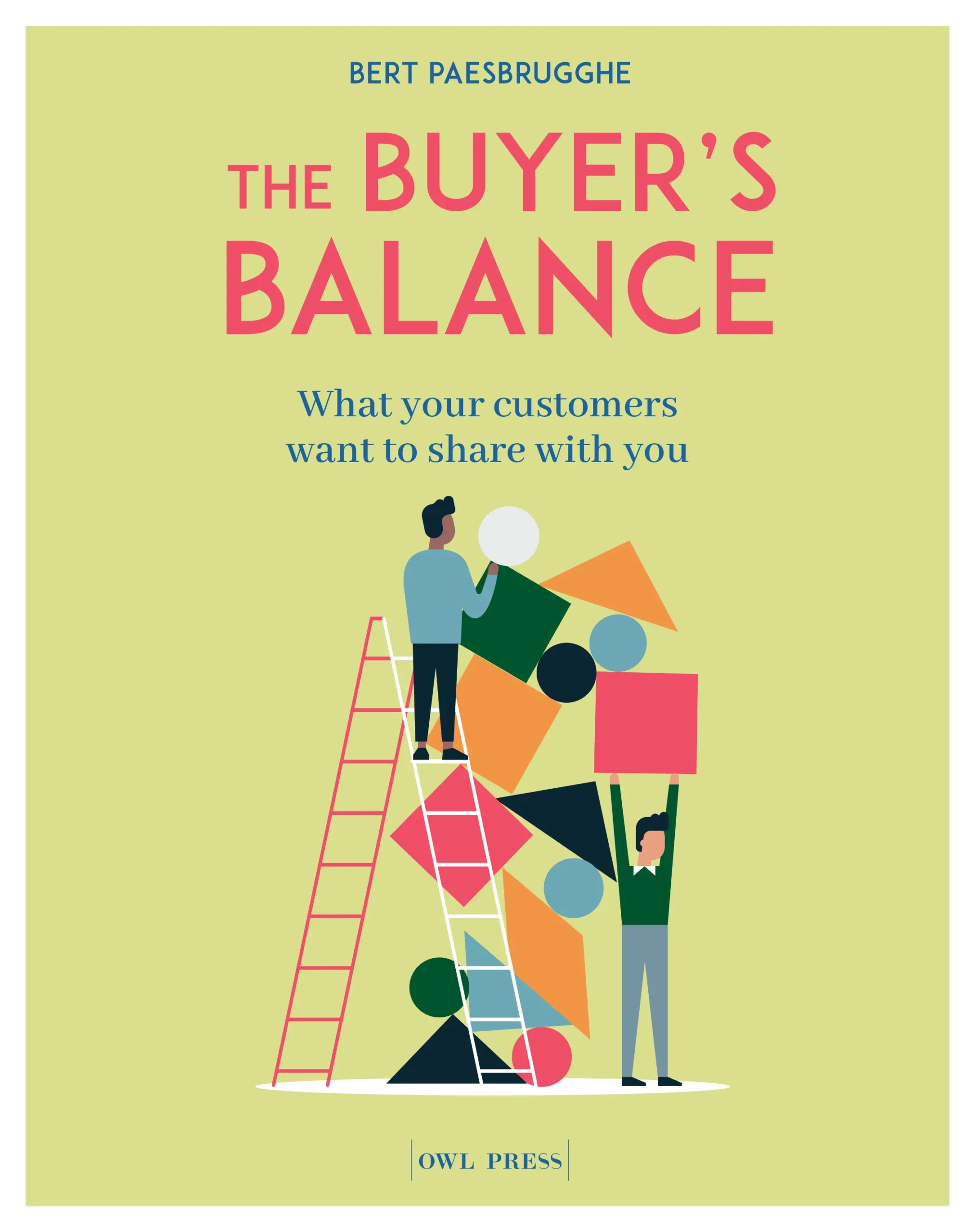
What do your customers want to share with you? I have written it down in this book, The Buyer’s Balance. I wrote it in a similar way as I would explain it to business managers over dinner: to the point, not too academic, and not fluffy.

On a personal note, I feel proud that I didn’t use any Gen AI to write 270 pages and that 50% of my royalties will go to support promising cancer research.

This is the backcover text of the book The Buyer’s balance.

“Have you ever wondered why satisfied customers don’t always stay loyal customers?
Why do so many companies adopt new sales or enabling technologies, but still fail to
see the expected increases in turnover or customer satisfaction? And why do buyers
always expect more from your company, despite your yearly innovations?
The answer is both complicated and simple. It’s complicated because it requires
changing outdated thinking and processes. However, understanding your customer
becomes simple when you start thinking like a buyer.
As you read this book, you will put on your buyer’s goggles and learn how to
provide greater value to your customers. Create a smarter, more balanced customer
experience based on customer insights.”


How to get a copy of The Buyer’s Balance?

Easy. You can choose from a wide range of online bookstores via this link, or get your copy in Standaard Boekhandel or Fnac in Belgium.