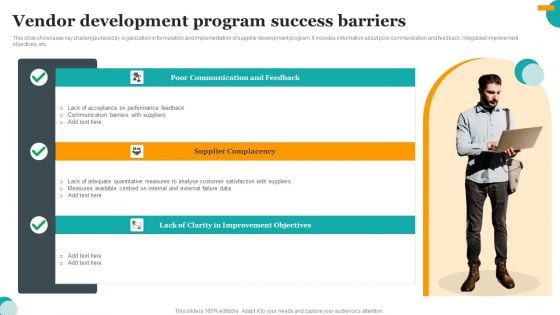
Have you ever sent an email to a supplier, anxiously waiting for feedback, only to be met with silence? If you’ve experienced this frustrating scenario, you’re not alone.

Lack of supplier feedback can be a major roadblock in your business operations, causing unnecessary delays and affecting your bottom line. Imagine the peace of mind you’d have if your suppliers communicated effectively, ensuring smooth transactions and timely deliveries. We’ll uncover the reasons behind this communication gap and offer actionable solutions to transform how you interact with your suppliers.

Stick around, because understanding and resolving this issue could be the key to unlocking greater efficiency and success for your business.

Impact On Supply Chain

The supply chain depends on clear communication. Suppliers need to share timely feedback. When they don’t, it affects the entire chain. Lack of feedback disrupts processes and creates uncertainty. Businesses face challenges in planning and executing operations. This leads to several negative impacts on the supply chain.

Delayed Deliveries

Without supplier feedback, scheduling becomes difficult. Businesses struggle to predict delivery times. Orders might arrive late or not at all. This causes stress for the company. Customers become unhappy. Delayed deliveries affect reputation and trust. Planning becomes a guessing game.

Quality Control Issues

Feedback helps maintain product quality. Suppliers provide crucial information about materials. Without it, quality checks suffer. Defective products may slip through unnoticed. Customers receive poor-quality items. This leads to complaints and returns. Quality control processes weaken and efficiency drops.

Increased Costs

Lack of feedback leads to unexpected expenses. Delays cause storage costs to rise. Extra checks for quality increase labor costs. Companies may need to find alternative suppliers. This search involves time and money. Overall, costs climb without clear communication from suppliers.

Lack of Supplier Feedback: Challenges and Solutions

Credit: www.slidegeeks.com

Communication Barriers

Effective communication between suppliers and businesses is crucial for success. However, communication barriers often hinder this relationship. These obstacles can lead to misunderstandings and missed opportunities. Let’s explore the specific challenges that might be affecting your supplier feedback.

Cultural Differences

Cultural differences can significantly impact communication. For example, a supplier from Japan might prioritize formal communication, while a US-based business could favor a more casual approach. These differing styles can lead to confusion.

Understanding cultural norms is essential to bridge gaps. If you’re unfamiliar with a supplier’s culture, you might unintentionally offend them or misinterpret their feedback. Do you take time to learn about your supplier’s cultural background?

Language Challenges

Language barriers can complicate communication with suppliers. Even if you share a common language, regional dialects and industry jargon might create confusion. Miscommunication can result in errors and delays in supply chain processes.

Consider using translation tools or hiring a professional interpreter. Clear language ensures everyone is on the same page. How do you address language challenges in your supplier relationships?

Technological Gaps

Not all suppliers have access to the latest communication technology. This can lead to delays in feedback and updates. While you might prefer video calls, your supplier might only have email access.

Assess your supplier’s technological capabilities. Investing in compatible technology can enhance communication. Are you equipped to handle technological gaps with your suppliers?

Tackling communication barriers can improve supplier feedback and strengthen your business relationships. Consider these challenges and find solutions that align with your needs. Engaging directly with suppliers can lead to more productive exchanges and better outcomes.

Supplier Relationship Dynamics

Supplier relationships are crucial for business success. Building strong connections can lead to improved products and services. The dynamics between suppliers and companies often affect performance and results. Understanding these dynamics helps businesses create better strategies.

Trust And Transparency

Trust forms the foundation of any relationship. Suppliers and companies must be open and honest. Transparency ensures that expectations are clear. This reduces misunderstandings and fosters collaboration. Open communication builds confidence in each other’s capabilities.

Power Imbalance

Power imbalance can affect decision-making. Sometimes, one party holds more influence than the other. This can lead to unfair practices or decisions. Equal power distribution ensures fair negotiations. Both parties must recognize each other’s contributions.

Contractual Obligations

Contracts outline the terms of business dealings. Both suppliers and companies must adhere to these agreements. Clear contracts prevent disputes and ensure smooth operations. They define responsibilities and protect interests. Regular reviews help maintain relevance and compliance.

Feedback Mechanisms

Effective feedback mechanisms are crucial for maintaining a healthy relationship between businesses and their suppliers. A lack of feedback can lead to misunderstandings, decreased quality, and missed opportunities for improvement. Implementing structured and thoughtful feedback systems can bridge these gaps, ensuring that both parties thrive in a symbiotic relationship.

Regular Performance Reviews

Regular performance reviews offer a structured way to assess and improve supplier relationships. Scheduling these reviews quarterly or bi-annually can help you address any recurring issues while also setting new goals. It’s a proactive approach that not only identifies areas for improvement but also celebrates what’s going well, fostering a positive environment.

Think of it as a report card for your suppliers. Would you trust a school system that never gave feedback? The same applies to your suppliers. Consistent reviews keep everyone on the same page and help in building trust.

Digital Feedback Platforms

Digital feedback platforms provide a modern solution for real-time communication. Platforms such as Slack, Trello, or specialized supplier management software can streamline the feedback process. These tools allow for instantaneous sharing of insights, reducing the lag time between identifying an issue and addressing it.

In today’s fast-paced business world, waiting for a quarterly review may not be viable. Digital platforms offer flexibility and speed, ensuring your feedback is always timely. Have you considered how much more efficient your processes could be with real-time updates?

Anonymous Surveys

Anonymous surveys are an excellent way to gather honest feedback from your suppliers without the fear of repercussions. They encourage transparency and can highlight issues that might not surface in direct conversations. By using tools like Google Forms or SurveyMonkey, you can easily create and distribute these surveys.

Suppliers might feel more comfortable pointing out flaws or suggesting improvements if they know their identity will remain confidential. Would you feel comfortable criticizing a partner if you feared backlash? Anonymous surveys remove that barrier, opening the door for genuine dialogue.

Incorporating these feedback mechanisms can significantly enhance your supplier relationships. What steps will you take today to ensure your suppliers feel heard and valued?

Training And Support

Effective training and support are crucial in bridging the gap caused by the lack of supplier feedback. When suppliers are equipped with the right knowledge and skills, they can deliver better services and products, thus enhancing the overall supply chain. It’s time to explore how you can bolster your supplier relationships through dedicated training and support initiatives. Consider how these programs might transform your business partnerships and improve outcomes.

Supplier Education Programs

Supplier education programs are essential tools in nurturing a productive relationship. These programs can include detailed guides and manuals that help suppliers understand your expectations clearly.

Imagine a scenario where suppliers are often confused about product specifications. An education program can clarify these standards, minimizing errors and delays. Doesn’t it make sense to provide resources that streamline the process for everyone involved?

Workshops And Seminars

Workshops and seminars can be a game-changer in providing hands-on learning experiences. Invite suppliers to engage in interactive sessions where they can ask questions and gain practical insights.

Consider hosting regular seminars focused on industry trends and best practices. These gatherings can foster a collaborative atmosphere and encourage suppliers to share their experiences. Isn’t it beneficial to create a space for open dialogue and innovation?

Continuous Improvement Initiatives

Continuous improvement initiatives are about fostering a culture of ongoing growth. Encourage suppliers to regularly assess their processes and seek ways to improve efficiency and quality.

Such initiatives can involve feedback loops where suppliers receive constructive criticism and suggestions. This encourages a proactive approach to problem-solving. How would your business benefit from suppliers who are committed to continuous improvement?

Training and support initiatives not only enhance supplier performance but also build trust and loyalty. By investing in these areas, you empower your suppliers to excel, which in turn boosts your own business success. Are you ready to take the next step in cultivating a thriving supplier relationship?

Lack of Supplier Feedback: Challenges and Solutions

Credit: www.levadata.com

Technology Integration

Technology integration plays a crucial role in enhancing supplier feedback. Modern tools streamline communication and provide valuable insights. Businesses can leverage technology to foster better supplier relationships. Let’s explore some effective technological solutions.

Automated Feedback Systems

Automated feedback systems simplify the feedback process. They collect and analyze supplier data without manual intervention. This ensures timely and consistent communication with suppliers. Businesses can set up automated alerts for specific feedback criteria. This reduces delays and improves response times.

Data Analytics For Insights

Data analytics offers deeper insights into supplier performance. Analyzing feedback data reveals patterns and trends. These insights help businesses make informed decisions. Companies can identify areas needing improvement. This leads to more strategic supplier partnerships.

Collaboration Tools

Collaboration tools enhance communication between businesses and suppliers. These tools provide platforms for real-time interaction. They support document sharing and joint project management. Better collaboration leads to stronger supplier relationships. It fosters a more cooperative business environment.

Case Studies

Understanding the impact of supplier feedback can transform your business operations. Case studies offer real-world examples of how companies have tackled the challenge of obtaining meaningful feedback from their suppliers. These insights can guide you in implementing effective strategies and avoiding common pitfalls.

Successful Feedback Implementation

Companies that have successfully implemented supplier feedback systems often start by setting clear expectations. In one case, a leading electronics company regularly held feedback sessions with suppliers to discuss performance metrics and quality standards.

They used structured templates to ensure consistent feedback, which helped suppliers understand what was expected. As a result, the company saw a noticeable improvement in product quality and delivery times.

What steps can you take to ensure your suppliers receive and understand your feedback? Consider using simple tools and regular communication channels that encourage open dialogue.

Lessons From Industry Leaders

Industry leaders often lead by example. A major automotive manufacturer found success by integrating feedback loops within their supplier relationship management system. They focused on transparency and trust.

This approach not only improved supplier performance but also strengthened relationships. By prioritizing feedback, they created a culture of continuous improvement among their suppliers.

Reflect on how you can foster transparency and trust with your suppliers. Are there practices you can adopt to facilitate better communication and feedback?

These case studies highlight that effective feedback can drive significant improvements. What insights can you glean from these examples to optimize your supplier relationships?

Lack of Supplier Feedback: Challenges and Solutions

Credit: paradoxmarketing.io

Frequently Asked Questions

Why Is Supplier Feedback Important?

Supplier feedback improves product quality and strengthens partnerships. It identifies areas for improvement, enhances communication, and boosts efficiency. Valuable insights from suppliers help optimize processes, reduce costs, and increase customer satisfaction. Engaging with feedback fosters collaboration and innovation, leading to better business outcomes.

What Are The Effects Of Poor Supplier Performance?

Poor supplier performance leads to delays, increased costs, and reduced product quality. It damages customer relationships and hampers business growth. Unreliable suppliers can disrupt operations and decrease market competitiveness. Addressing these issues promptly is crucial for maintaining efficiency and profitability.

How Do You Deal With An Underperforming Supplier?

Evaluate the supplier’s performance and identify issues. Communicate concerns directly and set improvement targets. Monitor progress regularly. Consider alternative suppliers if necessary. Document all interactions for future reference.

What Are The 7 C’s Of Supplier Evaluation?

The 7 C’s of supplier evaluation include competency, capacity, commitment, control, cash, cost, and consistency. These criteria help assess a supplier’s ability to meet business needs effectively. Evaluating each ensures reliable supply chain management and fosters strong business relationships.

Conclusion

Effective supplier feedback boosts business growth. It strengthens relationships. Ensures better service. Helps resolve issues swiftly. Feedback guides improvements. Encourages transparency. Builds trust with partners. Companies need open communication. Regular feedback sessions are key. Suppliers feel valued. They deliver more effectively.

This leads to higher satisfaction. Improved processes benefit everyone. Encourage dialogue. Ask for constructive input. Implement changes. Watch your business thrive. Foster a culture of feedback. It’s vital for success. Don’t ignore supplier voices. Listen. Respond. Grow together. Your business will prosper.


Every organization wants to perform better. But how do they measure success? Some use financial reports. Others rely on customer feedback. These methods help but are often incomplete. This is where a Balanced Scorecard (BSC) becomes useful. It helps organizations see the full picture. It connects goals, measures progress, and improves decision-making.

What is a Balanced Scorecard?

A Balanced Scorecard is a tool. It helps businesses measure and improve performance. It focuses on more than just profits. Instead, it looks at four key areas:

  • Financial Performance: How well is the company making money?
  • Customer Satisfaction: Are customers happy with products or services?
  • Internal Processes: Are operations efficient and effective?
  • Learning and Growth: Are employees growing and improving?

By using these areas, companies can balance short-term and long-term goals. This balance helps in making better decisions.

Why is a Balanced Scorecard Important?

Many organizations focus only on financial results. But financial results show only past performance. They do not show what to improve next. A Balanced Scorecard solves this problem. It connects strategy with daily work. It provides a clear roadmap for success.

For example, if customer satisfaction is low, the scorecard highlights this issue. Leaders can then focus on improving customer service. Or, if employee skills are lacking, training programs can be introduced. This approach ensures all parts of the organization work together.

How Does a Balanced Scorecard Work?

Let’s break it down into simple steps:

1. Define The Organization’s Vision And Goals

Every organization starts with a vision. A vision is a big-picture goal. For example, “To be the best online retailer.” After the vision, leaders set specific goals. These goals must be clear and measurable.

2. Identify Key Areas To Measure

Next, the organization decides what to measure. These are the four areas mentioned earlier: financial, customer, processes, and learning. Each area must have clear metrics. Metrics are numbers that show performance. For example:

Area Example Metric
Financial Profit margin
Customer Customer satisfaction score
Processes Order delivery time
Learning Employee training hours

3. Set Targets For Each Metric

Once metrics are chosen, targets are set. A target is the desired number. For example, an organization may aim for a 90% customer satisfaction score. These targets give employees something to work toward.

4. Collect And Analyze Data

Organizations then collect data for each metric. This data shows if targets are being met. If not, leaders can analyze the reasons why. This analysis helps in making changes where needed.

5. Take Action And Monitor Progress

After analyzing data, organizations take action. For example, if delivery times are slow, they may hire more drivers. The scorecard is updated regularly. This ensures that progress is monitored over time.

Benefits of Using a Balanced Scorecard

Using a Balanced Scorecard has many benefits. Below are some of the key ones:

  • Improved Clarity: Employees understand the organization’s goals better.
  • Better Alignment: All departments work toward the same vision.
  • Informed Decisions: Leaders base decisions on data, not guesses.
  • Continuous Improvement: Organizations can adapt and improve over time.

Overall, the scorecard helps organizations stay focused and organized.

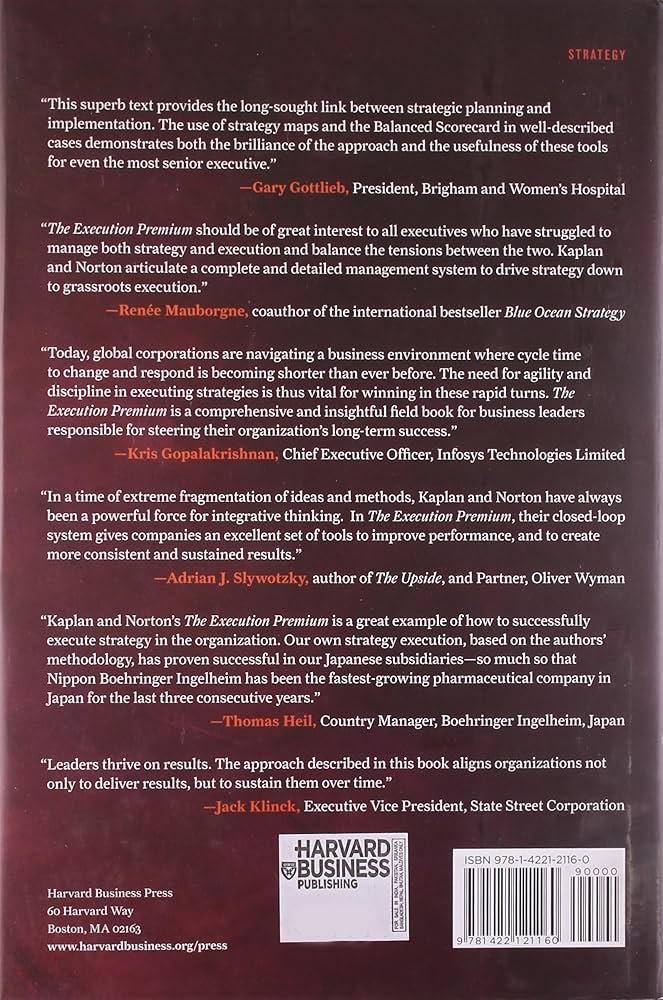
How a Balanced Scorecard Works to Improve Organization Performance: Proven Strategies

Credit: hbr.org

Examples of Balanced Scorecard in Action

Let’s look at a simple example. Imagine a local bakery. Its vision is “To be the most loved bakery in town.” How can it use a Balanced Scorecard?

  • Financial: Increase monthly sales by 20%.
  • Customer: Achieve a 95% customer satisfaction score.
  • Processes: Reduce average baking time to 30 minutes.
  • Learning: Train all staff on new recipes within 3 months.

By tracking these goals, the bakery knows where to focus its efforts. Over time, the bakery grows and improves performance.

Challenges When Using a Balanced Scorecard

While the Balanced Scorecard is helpful, it is not without challenges. Some common challenges include:

  • Lack of Clear Goals: Without clear goals, the scorecard is useless.
  • Poor Communication: If employees do not understand the scorecard, it won’t work.
  • Data Collection Issues: Collecting accurate data can be difficult.
  • Resistance to Change: Some employees may not like new methods.

To overcome these challenges, organizations need good planning and communication.

Tips for Success with a Balanced Scorecard

Here are some tips to make the Balanced Scorecard work well:

  1. Make sure goals are clear and realistic.
  2. Involve employees in the planning process.
  3. Use simple and easy-to-understand metrics.
  4. Review the scorecard regularly and update it as needed.
  5. Provide training for employees on how to use the scorecard.

Following these tips can make the Balanced Scorecard more effective.

Frequently Asked Questions

What Is A Balanced Scorecard?

A Balanced Scorecard is a strategic tool that measures organizational performance using financial and non-financial metrics.

How Does The Balanced Scorecard Improve Performance?

It aligns business activities with strategic goals and tracks progress in key performance areas.

What Are The Main Components Of A Balanced Scorecard?

The main components are financial, customer, internal processes, and learning and growth perspectives.

Why Is The Balanced Scorecard Important For Organizations?

It provides a clear framework to measure performance and achieve long-term goals effectively.

Conclusion

A Balanced Scorecard is a powerful tool for improving performance. It helps organizations focus on what matters most. By balancing financial and non-financial goals, it creates a clear path to success. While challenges exist, proper planning and communication can overcome them. Whether you run a small business or a large company, the Balanced Scorecard can help you achieve your goals.

In today’s competitive industrial landscape, evaluation methods for B2B industrial companies play a pivotal role in ensuring long-term success. From keeping your customers satisfied to monitoring supplier performance and compliance, structured evaluations can transform how your business operates. Below, we answer key questions related to conducting effective evaluations and demonstrate how EvaluationsHub (part of AlléeHub’s suite of solutions) can help streamline the entire process.


Why Are Evaluation Methods Crucial for Industrial B2B Companies?

Maintaining strong relationships with clients, suppliers, and internal stakeholders isn’t a luxury—it’s essential to remain competitive. Proper evaluation methods provide:

  1. Data-Driven Insights: Identify inefficiencies and measure satisfaction through quantifiable metrics.
  2. Risk Mitigation: Stay compliant with industry standards and preempt potential pitfalls.
  3. Continuous Improvement: Make iterative changes that drive quality, reduce costs, and increase customer loyalty.

A Harvard Business Review article (though focusing on healthcare) demonstrates that consistent measurement of satisfaction can significantly improve service delivery. This principle equally applies to industrial settings, where detailed evaluations highlight areas for both cost savings and performance boosts.


Key Question 1: How Do I Measure Customer Satisfaction Effectively?

Answer:
Use structured surveys to gather feedback. Focus on relevant KPIs like Net Promoter Score (NPS), response times, and complaint resolution rates. Tools like EvaluationsHub offer built-in templates tailored to B2B industrial contexts, making it easy to:

  • Send quick customer feedback forms after a product shipment or service completion.
  • Aggregate responses in real-time for data-driven insights.
  • Create dashboards to track satisfaction trends over time.

Real-Life Example:
A mid-sized chemical manufacturer noticed a rise in complaint tickets despite maintaining delivery schedules. By running a quarterly survey, they discovered customers were dissatisfied with packaging-related issues that often led to leaks. Correcting this problem not only improved satisfaction but also significantly reduced returns.


Key Question 2: Which Metrics Matter Most for Evaluating Supplier Performance?

Answer:
Common metrics include on-time delivery rate, defect rate, and cost variance. Additional considerations may include supplier responsiveness, collaboration in research and development, and alignment with sustainability goals.

How EvaluationsHub Helps:

  • Automated Reminders: Set up semi-annual or quarterly evaluations for your suppliers.
  • Custom KPIs: Rate suppliers on delivery accuracy, quality, and overall flexibility.
  • Centralized Reporting: Compare performance trends across different suppliers to inform negotiations or contract renewals.

Real-Life Example:
A global machinery manufacturer started tracking two key metrics—on-time delivery and quality of parts—for their top five suppliers. Through consistent measurement, they discovered that one supplier’s defect rate exceeded the acceptable threshold. Actionable insights, gathered via EvaluationsHub, led to a collaborative improvement plan with the supplier, resulting in a 20% drop in defects.


Key Question 3: How Often Should I Conduct Operational Efficiency Reviews?

Answer:
Typically, annual operational reviews are a good baseline; however, more frequent reviews may be necessary if significant changes occur (e.g., new machinery, process overhauls, or market shifts).

Key Considerations:

  • Map out workflows visually to identify bottlenecks.
  • Involve cross-functional teams (operations, finance, IT) to capture diverse insights.
  • Track KPIs like workflow cycle time, production downtime, and cost per unit.

External Reference:
ISO 9001 standards recommend regular internal audits to maintain and improve quality management systems, which aligns well with conducting routine operational efficiency reviews.


Key Question 4: What Are the Main Compliance and Risk Factors in Industrial B2B?

Answer:
Compliance concerns vary by sector but often include environmental regulations, safety standards, and data privacy. Risk factors typically involve production disruptions, supply chain vulnerabilities, and potential legal liabilities.

How EvaluationsHub Assists:

  • Compliance Checklists: Integrate regulatory requirements (e.g., OSHA, ISO, RoHS) into your evaluation templates.
  • Risk Assessment Modules: Flag potential operational risks and track mitigation efforts.
  • Audit Trails: Maintain detailed logs of all compliance checks for easy reference during external audits.

Real-Life Example:
An electronics components supplier integrated compliance checklists within their monthly safety evaluations via EvaluationsHub. They discovered that routine equipment checks were occasionally skipped on high-demand weeks. Addressing this lapse led to enhanced safety measures and reduced downtime due to machine failures.


Key Question 5: How Do I Incorporate Sustainability into My Evaluations?

Answer:
Assess your energy efficiency, carbon footprint, and supplier adherence to environmental standards:

  1. Energy Consumption: Monitor usage trends to identify high-spend areas.
  2. Carbon Footprint: Track emissions across the supply chain.
  3. Sustainability Compliance: Ensure suppliers meet eco-friendly criteria (e.g., recyclable materials, responsible disposal).

Practical Tip:
Use EvaluationsHub’s Sustainability Templates to benchmark progress against company goals and industry norms. By setting realistic targets, such as reducing carbon output by 10% over 12 months, your team can take incremental steps while continuously measuring improvement.


Best Practices for Getting Started

  1. Keep Surveys Concise: Short, targeted questions yield higher response rates.
  2. Review Feedback Regularly: Don’t wait for annual reviews to address recurring issues.
  3. Set Clear Benchmarks: Define what “good” performance looks like before launching evaluations.
  4. Share Insights Transparently: Communicate results with stakeholders to build trust.

Moving Forward with EvaluationsHub

Effective evaluations can make all the difference between a reactive approach and a proactive strategy. If you’re exploring ways to optimize performance and strengthen your B2B partnerships, take a closer look at EvaluationsHub to see how automated templates, centralized reporting, and real-time insights can elevate your processes. A well-structured evaluation is not just an administrative task—it’s a powerful lever for growth, innovation, and collaboration.

Always Improving

The beginning of every year offers businesses an opportunity to reflect, assess performance, and plan ahead. For B2B managers, this period is not only about financial reviews or operational metrics but also about answering a critical question: Are we meeting the needs of our clients, and how can we do better next year?

Customer feedback is the bridge between your assumptions and reality. Without it, businesses risk misaligning their efforts with client expectations, leading to dissatisfaction and potential churn. Collecting customer feedback is more than a good practice; it’s a strategic tool for sustained growth, especially in the B2B space where relationships and long-term partnerships are paramount.

Here’s why collecting feedback annually—or even more frequently—should be a cornerstone of your strategy, and how tools like EvaluationsHub can make the process seamless and impactful.


The Importance of Annual Customer Feedback

In B2B, customer feedback is not just about understanding satisfaction; it’s about uncovering actionable insights that drive improvement. Consider this scenario:

A manufacturing supplier might assume that delivery speed is their primary competitive advantage. However, feedback from key clients reveals that inconsistent packaging quality is a more pressing issue. Without actively soliciting feedback, this supplier would have focused on the wrong area, risking client dissatisfaction and a damaged reputation.

Why is feedback so critical for B2B managers?

  1. Improving Customer Retention
    B2B relationships are built on trust and long-term value. Annual feedback surveys help businesses identify pain points before they escalate, ensuring that clients feel heard and valued. For example, a software vendor using EvaluationsHub might discover that their clients struggle with onboarding due to insufficient training materials—insights that lead to tailored training programs.
  2. Identifying New Opportunities
    Feedback often uncovers unmet needs. For instance, a logistics company might learn that clients need predictive analytics to optimize their supply chain, leading to the development of new value-added services.
  3. Driving Innovation
    By understanding shifting client priorities, businesses can stay ahead of competitors. Consider a professional services firm that learns through annual feedback that their clients are increasingly prioritizing ESG (Environmental, Social, and Governance) compliance. They can adapt by offering specialized ESG consulting packages.
  4. Strengthening Relationships
    Listening and acting on feedback builds stronger connections. A client who sees their suggestions implemented is more likely to remain loyal and recommend your services to others. Tools like EvaluationsHub allow you to centralize and track feedback, ensuring nothing falls through the cracks.

What Makes Customer Feedback Especially Crucial in B2B

The stakes are higher in B2B than in B2C because:

  • Contracts are larger and longer-term. Losing one client can have a significant financial impact.
  • Decision-makers are diverse. Feedback often comes from multiple stakeholders, such as procurement managers, operations teams, and C-suite executives.
  • Customization matters. B2B clients expect solutions tailored to their unique needs.

Feedback is your best chance to uncover insights from all relevant stakeholders, ensuring you’re meeting diverse expectations.


The Best Tools for Gathering B2B Customer Feedback

Customer feedback tools must be tailored to the B2B environment, where interactions are more complex. While Net Promoter Score (NPS) is a popular metric, combining it with other tools provides a more comprehensive view. Below are some top tools and how they apply to B2B:

1. Net Promoter Score (NPS)

  • How it Works: NPS asks clients how likely they are to recommend your business on a scale of 0-10.
  • B2B Example: A consulting firm tracks NPS scores for each department they serve (e.g., HR, finance) to understand which teams are the most satisfied.
  • Using EvaluationsHub: NPS responses can be automatically tagged to specific accounts, making it easy to identify areas needing attention.

2. Customer Satisfaction Score (CSAT)

  • How it Works: CSAT measures satisfaction with specific interactions, such as service calls or product deliveries.
  • B2B Example: A logistics company gathers CSAT scores after each shipment, helping them track trends and address recurring issues.
  • Using EvaluationsHub: CSAT surveys can be integrated into your project workflows, ensuring every touchpoint is measured.

3. Customer Effort Score (CES)

  • How it Works: CES assesses how easy it is for clients to interact with your business, such as resolving issues or placing orders.
  • B2B Example: A SaaS provider uses CES to measure how quickly and easily clients can access support documentation.
  • Using EvaluationsHub: CES data is visualized in dashboards, highlighting friction points for immediate action.

4. Stakeholder-Specific Feedback

  • How it Works: Gather feedback from individual stakeholders, such as procurement, operations, and executives.
  • B2B Example: A manufacturing supplier customizes surveys for procurement teams to focus on cost efficiency, while operations teams are asked about product performance.
  • Using EvaluationsHub: The platform allows stakeholder segmentation, ensuring feedback is relevant to each group.

Best Practices for Collecting Feedback in B2B

To maximize the value of customer feedback, follow these best practices:

1. Tailor Your Surveys

B2B clients often have complex needs. Generic surveys won’t capture the nuances.

  • Example: Instead of asking “How satisfied are you with our services?”, ask “How satisfied are you with the lead times for Product X?” or “How effective is our team at resolving your queries?”
  • Pro Tip: EvaluationsHub offers customizable survey templates tailored to B2B industries.

2. Focus on Key Accounts

Not all clients are equal. For key accounts, go beyond standard surveys and schedule detailed reviews.

  • Example: A chemical supplier conducts quarterly reviews with their largest clients, discussing challenges and goals in addition to survey results.

3. Act on Feedback

Collecting feedback is pointless unless it leads to action.

  • Example: An IT services provider learns that clients are frustrated with response times. By investing in a dedicated support team, they improve satisfaction and increase renewal rates.
  • Using EvaluationsHub: Assign follow-up tasks directly from survey insights to ensure accountability.

4. Share Results Transparently

Clients appreciate knowing their feedback has been heard.

  • Example: A marketing agency shares a summary of survey results and their planned actions with clients, reinforcing trust.

How EvaluationsHub Simplifies Feedback Collection and Action

EvaluationsHub is designed specifically for B2B managers who want to streamline their feedback processes. Here’s how it stands out:

1. Centralized Feedback Management

All feedback—whether it’s NPS scores, CSAT results, or detailed comments—is stored in one place, accessible to all relevant team members.

2. Automated Workflows

Transform feedback into action by automating next steps. For instance, when a client rates their satisfaction below a threshold, a follow-up task is automatically assigned to your account manager.

3. Custom Reporting

EvaluationsHub provides in-depth reports segmented by accounts, regions, or industries, helping you uncover trends and make data-driven decisions.

4. Integration with Existing Tools

Whether you use Trello, Salesforce, or ClickUp, EvaluationsHub integrates seamlessly, ensuring feedback fits into your current workflows.


Real-World Example: A B2B SaaS Provider

A SaaS company managing over 200 enterprise clients used EvaluationsHub to collect quarterly NPS and CES scores.
The result?

  1. They discovered that clients with CES scores above 7 were 3x more likely to renew their contracts.
  2. By addressing the most common complaint—lack of user training—they reduced churn by 20%.
  3. Automated feedback summaries allowed account managers to focus on solutions rather than data entry.

Conclusion

Customer feedback is the key to unlocking growth and innovation in B2B businesses. By tailoring your approach and using tools like EvaluationsHub, you can transform feedback into actionable insights, building stronger relationships and staying ahead of competitors.

Ready to take your feedback strategy to the next level?
Sign up for a free trial of EvaluationsHub and discover how easy it is to collect, analyze, and act on customer feedback.


The Challenges of Maintaining Long-Term Client Relationships in Consulting

The consulting industry, while integral to the success of many organizations, faces significant challenges that make maintaining long-term client relationships difficult. One of the primary hurdles is the shift from ad-hoc, project-based work to more sustained, ongoing engagements. Many consulting firms still operate on a model where clients are brought in for specific, one-time projects—whether it’s solving an immediate issue or implementing a new system—rather than on a long-term partnership. This transactional approach often leads to a lack of continuity in the relationship, making it difficult to foster the kind of deep trust and mutual growth that leads to repeat business.

Additionally, with increasing competition and more firms offering specialized solutions, consultants struggle to demonstrate continuous value after a project’s completion. Without a structured method to gauge long-term success and keep communication open, consultants risk falling into the trap of treating clients as one-off engagements. However, those who are able to pivot to a more relationship-focused model, where they not only deliver immediate results but also help clients adapt to long-term goals and transformations, often find themselves in a much stronger position. Yet, this is easier said than done, as it requires not only excellent delivery and client satisfaction but also the ability to manage evolving needs, adjust strategies over time, and position oneself as a trusted advisor rather than just a problem-solver. EvaluationsHub can turn one-offs into recurrent consulting work, and make consultants part of a company’s subscriptions.

How Proactive Evaluations Can Bring New Opportunities for Consultants

Proactive evaluations can play a pivotal role in identifying new opportunities for consultants, particularly in fostering recurring client relationships. By consistently evaluating the outcomes and impact of consulting projects—rather than waiting for clients to reach out with feedback—consultants can uncover evolving needs and anticipate challenges before they arise. These evaluations help maintain an ongoing dialogue with clients, providing valuable insights into areas where additional support, new solutions, or refinements are needed.

This process not only enhances client satisfaction but also positions consultants as proactive, forward-thinking partners rather than reactive problem-solvers. Through regular check-ins, consultants can identify potential areas for upselling or cross-selling additional services, such as extending a project’s scope, offering training, or addressing emerging issues. By turning evaluations into a strategic tool, consultants can continuously demonstrate their value, stay aligned with their clients’ long-term goals, and ultimately build deeper, more enduring relationships that lead to repeat business and referrals.

Different Evaluation Methods to Strengthen Client Relationships in Consulting

In the consulting industry, evaluations are essential for gauging project success, client satisfaction, and team performance. A structured evaluation process not only ensures continuous improvement but also builds trust with clients. Below is a detailed template for integrating evaluation methods into your consulting practice, including survey question templates, frequency, KPIs, key participants, and actionable tips.


1. Types of Evaluation Methods

1.1. Client Satisfaction Survey

Objective: Measure client satisfaction with the deliverables, communication, and outcomes of the consulting engagement.
Frequency: Conducted at key project milestones and upon project completion.
Who Should Be Involved:

  • Client decision-makers (e.g., executives, project sponsors)
  • Client team leads who worked closely with the consultants

Survey Question Template:

  • On a scale of 1 to 10, how satisfied are you with the project’s outcomes?
  • Were the deliverables aligned with your initial expectations? (Yes/No + open text field)
  • How would you rate the communication and responsiveness of our consulting team?
  • What could we have done better to improve your experience? (Open-ended)

KPIs to Track:

  • Average satisfaction score (target: >8/10)
  • Net Promoter Score (NPS)
  • % of repeat clients

Do’s and Don’ts:

  • Do: Ensure anonymity if necessary to get honest feedback.
  • Don’t: Use overly complex language in surveys; keep it simple and client-focused.

1.2. Project Performance Review

Objective: Assess the effectiveness of the consulting team, project management, and adherence to timelines and budgets.
Frequency: Internal review after key project phases and completion.
Who Should Be Involved:

  • Consulting team members
  • Project manager
  • Internal quality assurance personnel

Survey Question Template:

  • Were the project goals clearly defined and achieved?
  • How effectively was the project timeline managed?
  • Were resources (budget, personnel) utilized efficiently?
  • What were the key challenges, and how were they addressed?

KPIs to Track:

  • % of projects delivered on time and within budget
  • Internal team performance rating
  • Issue resolution time

Do’s and Don’ts:

  • Do: Document lessons learned for future projects.
  • Don’t: Assign blame; focus on solutions and process improvement.

1.3. Pre-Engagement Assessment

Objective: Identify client needs, set realistic expectations, and establish a baseline for success.
Frequency: At the beginning of each engagement.
Who Should Be Involved:

  • Client stakeholders
  • Lead consultant(s)

Survey Question Template:

  • What are the top three challenges your organization is currently facing?
  • What outcomes would define a successful engagement for you?
  • Are there any existing internal resources or processes we should be aware of?
  • What are your concerns about this project?

KPIs to Track:

  • Alignment between initial expectations and final outcomes
  • Client readiness score (based on pre-engagement data)

Do’s and Don’ts:

  • Do: Involve all key stakeholders to ensure alignment.
  • Don’t: Overpromise deliverables during this phase.

1.4. Post-Engagement Follow-Up

Objective: Evaluate the long-term impact of the consulting project and maintain relationships for future opportunities.
Frequency: 3-6 months after project completion.
Who Should Be Involved:

  • Client leadership
  • Relevant operational teams

Survey Question Template:

  • Have the implemented solutions continued to meet your needs?
  • What measurable improvements have you observed since the project concluded?
  • Are there additional areas where we could provide value?
  • Would you recommend our services to others? (NPS)

KPIs to Track:

  • Long-term client retention rate
  • Tangible business improvements (e.g., revenue growth, cost savings)
  • Referral rate

Do’s and Don’ts:

  • Do: Use this phase to gather case studies and testimonials.
  • Don’t: Neglect clients post-project; it’s a key opportunity to nurture relationships.

2. Best Practices for Effective Evaluations

2.1. Align on Goals Early

Before conducting evaluations, ensure all stakeholders agree on the project objectives and KPIs. Misalignment can lead to skewed feedback and dissatisfaction.

2.2. Use a Mix of Quantitative and Qualitative Questions

Combining numerical ratings with open-ended questions provides a comprehensive view of performance.

2.3. Automate Where Possible

Use tools like EvaluationsHub to automate surveys, track KPIs, and store feedback centrally for easy access.

2.4. Regular feedback is Much Better than One Big One

Having recurrent feedback from your clients is key. Do not wait for euphoria, or the value of your assessment is worthless. This article goes deeper on this topic: Why Your B2B Customer Feedback Loop Fails


3. Pitfalls to Avoid

  • Ignoring Feedback: Clients can tell if their input isn’t acted upon, which can harm trust and future business. Close the loop is key.
  • Overloading Participants: Limit the number of questions and surveys to avoid survey fatigue.
  • Relying Only on Surveys: Pair surveys with direct conversations for richer insights.

4. Conclusion

Evaluations are an indispensable tool in the consulting industry to measure success, improve processes, and foster strong client relationships. By incorporating structured evaluation methods and best practices, consulting firms can ensure they deliver exceptional value while continuously improving their services.

Next Steps:

  • Implement an evaluation process in your next project using the templates provided.
  • Regularly review and refine your approach based on feedback and performance metrics.

With thoughtful planning and execution, evaluations can be your strongest asset for growth and client retention.

A tool that could help consulting firms with this growing need is EvaluationsHub.

You might find these articles also interesting to read:

Consultancy in the Digital Age: How Firms Can Stay Relevant

How to Build a Customer Success Program With Evaluationshub: Proven Strategies

Customer feedback surveys are one of the most valuable tools for understanding your audience, improving your offerings, and driving business growth. However, their effectiveness depends heavily on the questions you ask. Poorly designed surveys can lead to misleading insights, frustrated customers, and missed opportunities. This blog will explore how to craft effective survey questions, align them with your business goals, and create a process that delivers actionable feedback.


Why Crafting the Right Questions Matters

The quality of the questions in your customer feedback survey directly impacts the value of the feedback you receive. The right questions:

  • Provide Actionable Insights: Well-crafted questions yield specific feedback you can act on.
  • Enhance Customer Experience: Customers are more likely to respond to clear, relevant, and concise surveys.
  • Drive Business Goals: Targeted questions align customer feedback with your strategic objectives.

The Pitfalls of Poor Survey Design

  • Ambiguous Questions: Vague wording can confuse customers and lead to irrelevant answers.
  • Leading Questions: Questions that bias responses result in inaccurate data.
  • Survey Fatigue: Too many questions or overly complex surveys can discourage participation.

How to Design Effective Survey Questions

1. Start with a Clear Objective

Before writing any questions, define the purpose of your survey. What specific insights are you trying to gain?

Tips for Setting Objectives:

  • Link your survey to a business goal, such as improving customer satisfaction, identifying pain points, or testing new product ideas.
  • Be specific: Instead of “improving customer experience,” aim for “identifying the top three areas where customers face challenges.”

Example Objective: Identify why customers cancel subscriptions and prioritize solutions to reduce churn.


2. Choose the Right Question Types

The type of question you ask determines the kind of data you collect. Each question type has its purpose:

Closed-Ended Questions

  • Definition: Questions with predefined answers (e.g., Yes/No, multiple choice, or rating scales).
  • Use When: You need quantitative data for analysis.
  • Examples:
    • “How likely are you to recommend our service? (Rate 1-10)”
    • “Which feature do you use most often? (Select one)”

Open-Ended Questions

  • Definition: Questions that allow customers to write their own answers.
  • Use When: You want detailed feedback or new ideas.
  • Examples:
    • “What can we do to improve your experience?”
    • “What was your biggest challenge using our product?”

Rating Scales

  • Definition: Questions that ask customers to rate an aspect of your product or service on a numerical scale.
  • Use When: You want to measure opinions or satisfaction levels.
  • Examples:
    • “How satisfied are you with our customer support? (1 = Very Unsatisfied, 5 = Very Satisfied)”

Ranking Questions

  • Definition: Questions that ask customers to rank items by preference.
  • Use When: You want to understand priorities.
  • Examples:
    • “Rank the following features based on importance to you.”

3. Align Questions with Business Goals

Each survey question should serve a specific purpose that aligns with your broader objectives.

Examples of Alignment:

  1. Business Goal: Improve customer retention.
    • Question: “What factors most influence your decision to continue using our service?”
  2. Business Goal: Optimize product features.
    • Question: “Which feature of our product do you find least useful and why?”
  3. Business Goal: Enhance user experience.
    • Question: “How easy is it to navigate our website? (Rate 1-5)”

Aligning questions with goals ensures you gather data that’s actionable and meaningful.


4. Keep Questions Clear and Concise

Ambiguity or excessive length can frustrate respondents and reduce the quality of their feedback.

Best Practices for Clarity:

  • Use simple, straightforward language.
  • Avoid technical jargon or industry terms unfamiliar to your audience.
  • Test your questions with a small group to ensure they are easy to understand.

Example of a Poor Question:
“How do you feel about the various aspects of our multi-channel communication system?”
Improved Version:
“How satisfied are you with our live chat support?”


5. Avoid Bias in Questions

Biased questions can lead to skewed data, which undermines the reliability of your survey.

Common Biases to Avoid:

  • Leading Questions: Push respondents toward a specific answer.
    • Example: “How great was your experience with our product?”
    • Improved Version: “How would you rate your experience with our product?”
  • Double-Barreled Questions: Ask about two things at once.
    • Example: “How satisfied are you with our service and pricing?”
    • Improved Version: “How satisfied are you with our service?” and “How satisfied are you with our pricing?”
  • Overly Positive/Negative Language: Frames questions in a way that encourages certain responses.

6. Balance the Survey Length

Surveys should be long enough to collect meaningful feedback but short enough to avoid fatigue.

Tips for Length Management:

  • Prioritize essential questions. Ask yourself: “Do I need this data?”
  • Group related questions to create a logical flow.
  • Provide an estimate of how long the survey will take upfront (e.g., “This survey will take 3-5 minutes to complete”).

7. Use Scaled Questions Wisely

Rating scales and Likert scales are popular because they’re easy to analyze. However, they need to be used effectively.

Tips for Scaled Questions:

  • Stick to a consistent scale format (e.g., 1-5 or 1-10).
  • Define endpoints clearly (e.g., 1 = Very Dissatisfied, 5 = Very Satisfied).
  • Include a neutral midpoint (e.g., 3 = Neutral) if appropriate.

Example:
“On a scale of 1-5, how easy was it to complete your purchase?”


8. Test and Iterate

Before sending out your survey, test it to identify issues and improve clarity.

How to Test Your Survey:

  • Internal Testing: Share it with colleagues or team members for feedback.
  • Pilot Testing: Send it to a small group of customers and review their responses.
  • Iterate: Adjust questions based on feedback from your test group.

Survey Examples Based on Business Goals

Example 1: Customer Satisfaction Survey

Objective: Measure customer satisfaction with your service.
Questions:

  1. “How satisfied are you with your overall experience? (1-5)”
  2. “What aspect of our service exceeded your expectations?”
  3. “What can we improve to serve you better?”

Example 2: Product Feedback Survey

Objective: Collect feedback on a newly launched product.
Questions:

  1. “How would you rate the quality of the product? (1-10)”
  2. “What features do you find most useful?”
  3. “What challenges did you face while using the product?”

Example 3: Website Usability Survey

Objective: Improve the user experience on your website.
Questions:

  1. “How easy was it to find the information you were looking for? (1-5)”
  2. “What frustrated you most about your experience?”
  3. “What additional features would you like to see on our website?”

Common Mistakes to Avoid

1. Asking Too Many Questions

  • Overwhelms respondents and reduces completion rates.
  • Solution: Keep the survey short and focused on your objectives.

2. Not Acting on Feedback

  • If customers see no changes after giving feedback, they’re less likely to respond in the future.
  • Solution: Close the loop by sharing how their feedback influenced improvements.

3. Using One-Size-Fits-All Surveys

  • Generic surveys fail to capture nuanced insights.
  • Solution: Tailor questions to specific segments or goals.

Closing the Loop: What Happens After the Survey?

The process doesn’t end with collecting responses. To maximize the value of your surveys:

  1. Analyze the Data: Use tools like Google Forms, SurveyMonkey, or Excel to identify trends and insights.
  2. Share Findings: Communicate results with your team and stakeholders.
  3. Act on Feedback: Prioritize and implement changes based on customer input.
  4. Follow Up: Let respondents know how their feedback led to improvements.

Conclusion: The Power of Well-Crafted Questions

Designing effective customer feedback surveys starts with asking the right questions. By aligning questions with your business goals, choosing appropriate formats, and ensuring clarity, you can gather actionable insights that drive meaningful improvements.

Remember: A feedback survey isn’t just a tool for collecting data—it’s a way to build trust, demonstrate commitment, and continuously evolve to meet customer needs. With thoughtful design and execution, your surveys can become a cornerstone of your customer engagement strategy.

A feedback loop is more than just a mechanism for collecting input—it’s a powerful tool for driving continuous improvement, fostering innovation, and maintaining a competitive edge. Whether you’re enhancing customer experiences, improving internal processes, or refining a product, designing an effective feedback loop ensures you’re learning and evolving. In this blog, we’ll break down the feedback loop process into actionable steps, from setting goals to implementing changes, so you can create a system that delivers meaningful results.


What is a Feedback Loop?

A feedback loop is a structured process in which input (feedback) is gathered, analyzed, and used to inform decisions and actions. The “loop” concept refers to its cyclical nature: once changes are implemented, new feedback is collected to evaluate the impact, and the process starts again.

Types of Feedback Loops

  1. Positive Feedback Loops: Reinforce actions that lead to desirable outcomes, encouraging more of the same behavior or decisions.
    • Example: Customer praise for faster delivery times motivates further investment in logistical improvements.
  2. Negative Feedback Loops: Highlight areas for correction or change, prompting course adjustments.
    • Example: Product complaints lead to design improvements for better usability.

Why Feedback Loops Matter

Feedback loops are crucial for organizations aiming to:

  • Enhance Customer Satisfaction: Listening and acting on feedback demonstrates commitment to customer needs.
  • Improve Products and Services: Data-driven insights help refine offerings and stay competitive.
  • Boost Employee Engagement: Transparent loops in internal processes empower teams to contribute and feel heard.
  • Ensure Continuous Improvement: Regular evaluation and iteration keep businesses agile and adaptive.

Key Steps to Designing the Perfect Feedback Loop

1. Define Clear Goals

Before diving into the feedback process, determine what you aim to achieve. Having clear objectives ensures the feedback you collect is relevant and actionable.

How to Set Goals:

  • Identify the area of focus: Are you improving a product, service, or internal process?
  • Set measurable outcomes: Use KPIs like customer satisfaction (CSAT) scores, Net Promoter Score (NPS), or product adoption rates.
  • Align goals with your broader strategy: Ensure your feedback loop supports your organizational objectives.

Example Goal: Increase customer satisfaction by 15% in the next quarter by improving delivery times.


2. Collect Input

Gathering feedback is the foundation of a successful loop. Use diverse methods to capture different perspectives and insights.

Methods to Collect Feedback:

  1. Customer Surveys: Online forms, in-app surveys, or NPS tools for quantitative insights.
  2. Interviews and Focus Groups: Qualitative feedback for deeper understanding.
  3. Analytics Tools: Use data from user behavior, reviews, and social media.
  4. Employee Input: Internal surveys or suggestion boxes for operational improvements.

Best Practices:

  • Keep surveys concise and focused on key areas.
  • Use open-ended questions for qualitative depth.
  • Incentivize participation, such as discounts for customers or recognition for employees.

Example: Use an NPS survey to ask customers: “How likely are you to recommend our service to a friend or colleague?”


3. Analyze Results

Once feedback is collected, analyze it to uncover trends, identify pain points, and prioritize actions. This step turns raw data into actionable insights.

Steps for Analysis:

  1. Organize Feedback: Segment data by customer demographics, product types, or regions.
  2. Identify Patterns: Look for recurring themes, such as common complaints or frequently requested features.
  3. Prioritize Issues: Use a framework like the Impact vs. Effort Matrix to focus on high-impact, low-effort improvements first.

Tools for Analysis:

  • Customer feedback tools like Medallia, EvaluationsHub or SurveyMonkey.
  • Analytics platforms such as Google Analytics or Mixpanel.
  • Data visualization software like Tableau or Power BI.

Example: Analysis reveals that 70% of complaints stem from delayed shipping times, indicating an urgent area for improvement.


4. Implement Changes

Acting on feedback is where the loop creates value. Implementation demonstrates to stakeholders that their input matters.

Steps for Implementation:

  1. Develop an Action Plan: Break down tasks needed to address feedback into clear steps.
  2. Assign Responsibilities: Ensure each task has an owner and a deadline.
  3. Communicate Changes: Let stakeholders (customers, employees, etc.) know how their feedback influenced the updates.

Tips for Successful Implementation:

  • Use agile methods for iterative improvements, especially in product development.
  • Start with pilot programs for major changes to test their impact.

Example: Based on customer feedback, a company invests in better logistics software and trains employees to reduce delivery times by 20%.


5. Close the Loop

Closing the loop means communicating the actions taken and seeking further feedback. This step is essential for building trust and ensuring continuous improvement.

How to Close the Loop:

  1. Update Stakeholders: Inform customers, employees, or other stakeholders about the changes made.
    • Example: “Thanks to your feedback, we’ve improved our delivery process to ensure on-time shipments!”
  2. Solicit Follow-Up Feedback: Gather input on the effectiveness of the changes.
    • Example: Use post-implementation surveys or interviews to measure satisfaction.
  3. Track Results: Compare KPIs to the baseline to determine whether goals were achieved.

6. Monitor and Iterate

Feedback loops are not one-and-done processes—they thrive on iteration. Regularly monitor results and adjust based on new feedback.

Steps for Iteration:

  1. Set a Review Cycle: Conduct evaluations quarterly, monthly, or as appropriate.
  2. Scale What Works: Expand successful changes to other areas.
  3. Evolve the Loop: Adapt the process as your organization grows or customer needs change.

Common Challenges and How to Overcome Them

1. Low Participation Rates

Solution: Simplify feedback collection methods and offer incentives for participation.

2. Biased or Incomplete Feedback

Solution: Use multiple feedback methods and ensure diverse participation to avoid skewed results.

3. Failure to Act on Feedback

Solution: Prioritize and resource actions effectively to maintain trust with stakeholders.


Example of a Feedback Loop in Action

Scenario: An e-commerce retailer struggles with poor customer satisfaction due to delivery delays.

  1. Set Goals: Improve delivery times by 20% within six months.
  2. Collect Input: Conduct customer surveys and analyze shipping data.
  3. Analyze Results: Identify bottlenecks in the logistics process.
  4. Implement Changes: Invest in a new logistics platform and train employees.
  5. Close the Loop: Inform customers of the improvements and monitor feedback on the updated delivery process.
  6. Monitor and Iterate: Regularly review shipping metrics and adjust processes for further optimization.

Conclusion: Designing the Perfect Feedback Loop

A well-designed feedback loop transforms feedback into meaningful change, creating value for both businesses and their stakeholders. By setting clear goals, collecting diverse input, analyzing results, implementing changes, and iterating, you can foster a culture of continuous improvement.

Start small, measure your progress, and remember that a feedback loop is only as effective as the actions it inspires. With dedication and consistency, you can create a system that propels your organization toward long-term success.

In today’s highly competitive business landscape, understanding your customers isn’t optional—it’s essential. Customer evaluations are the cornerstone of this understanding, providing businesses with actionable insights to improve satisfaction, retention, and operational efficiency. This blog will dive deep into the importance of customer evaluations, the tangible benefits they offer, and how to implement them effectively.


What Are Customer Evaluations?

Customer evaluations are structured processes through which businesses gather feedback from their customers about products, services, or overall experiences. These evaluations can take various forms, including surveys, interviews, focus groups, or even automated feedback tools.

Key Goals of Customer Evaluations:

  1. Understanding Customer Needs: Identifying what your customers value most.
  2. Measuring Satisfaction Levels: Pinpointing areas of success and those needing improvement.
  3. Building Stronger Relationships: Demonstrating that your business listens to and acts on customer input. Customer success could play a vital role here.

Why Customer Evaluations Are Critical for Businesses

1. Bridge the Gap Between Assumptions and Reality

Businesses often rely on assumptions about what customers want or need. Customer evaluations provide real-world data, replacing guesswork with factual insights. This ensures your business decisions align with actual customer expectations.

2. Enhance Decision-Making

Data-driven decision-making is a hallmark of successful businesses. Evaluations deliver the data needed to prioritize initiatives, allocate resources effectively, and identify potential issues before they escalate.

3. Foster Customer-Centricity

A customer-centric approach is critical in modern business. By regularly evaluating customer sentiment, businesses can embed customer needs into their operations, product development, and overall strategy.


The Benefits of Customer Evaluations

1. Improved Customer Satisfaction

Customer satisfaction is a key driver of success, and evaluations offer a direct way to measure and improve it. By identifying pain points and addressing them, businesses can enhance the customer experience.

How Evaluations Improve Satisfaction:

  • Pinpointing Problems: Evaluations reveal specific issues customers face, allowing targeted improvements.
  • Feedback-Driven Innovation: Feedback from evaluations can inspire new features or products tailored to customer needs.

Example: A software company might discover through customer evaluations that users struggle with a particular feature. By redesigning the feature based on feedback, the company not only resolves the issue but also demonstrates its commitment to user satisfaction.


2. Increased Customer Retention

Acquiring new customers is often more expensive than retaining existing ones. Evaluations help businesses nurture loyalty by showing customers that their opinions matter and their concerns are addressed.

The Role of Evaluations in Retention:

  • Proactive Problem-Solving: Identifying and fixing issues before customers churn.
  • Strengthened Trust: Customers are more likely to stay loyal when they feel heard and valued.

Example: A retailer conducts post-purchase evaluations to gauge customer satisfaction. If a customer reports dissatisfaction, the retailer can quickly follow up with a resolution, turning a negative experience into a positive one.


3. Operational Efficiency

Evaluations don’t just benefit customers—they also streamline business operations. By highlighting inefficiencies, evaluations enable businesses to optimize their processes, reducing costs and improving productivity.

Ways Evaluations Boost Efficiency:

  • Spotting Workflow Bottlenecks: Feedback may reveal areas where processes are causing delays or frustration.
  • Prioritizing Efforts: Evaluations help businesses focus on the changes that will deliver the greatest impact.

Example: A logistics company uses customer evaluations to identify recurring issues with delivery times. By addressing these problems, the company not only improves customer satisfaction but also reduces operational inefficiencies.


Implementing Effective Customer Evaluations

While the benefits of customer evaluations are clear, their success depends on implementation. Below are steps to ensure your evaluations are impactful:

1. Define Clear Objectives

Before conducting evaluations, establish clear goals. What do you want to learn? Common objectives include:

  • Measuring satisfaction with a specific product or service.
  • Understanding customer expectations.
  • Identifying areas for improvement.

Tip: Align your objectives with broader business goals for maximum impact.


2. Choose the Right Evaluation Methods

The method you choose will depend on your objectives and customer base. Common methods include:

  • Surveys: Best for collecting quantitative data. Tools like Net Promoter Score (NPS) or Customer Satisfaction Score (CSAT) are popular options.
  • Interviews or Focus Groups: Ideal for gaining qualitative insights.
  • Automated Feedback Tools: Streamline the evaluation process, especially for high-volume customer interactions. Think about EvaluationsHub if you want to move far beyond an Excel sheet.

3. Ask the Right Questions

The quality of your evaluation depends on the questions you ask. Keep them:

  • Clear and Concise: Avoid jargon or overly complex phrasing.
  • Relevant: Focus on aspects of your product or service that you can influence.
  • Actionable: Ask questions that lead to insights you can act upon.

Example Questions:

  • How satisfied are you with your recent experience?
  • What is one thing we could do to improve your experience?
  • Would you recommend our product/service to others?

On top of that, make sure to track the metrics that drive the business outcomes you want.


4. Analyze and Act on Feedback

Gathering feedback is only the first step. The real value comes from analyzing and acting on the data. Use tools like dashboards or data visualization software to identify trends and actionable insights.

Steps to Take:

  1. Segment Feedback: Group responses by customer type, product, or region for deeper insights.
  2. Prioritize Actions: Focus on high-impact areas first.
  3. Close the Loop: Communicate with customers about the changes you’ve made based on their feedback.

Tip: Regularly share findings with your team to align everyone on customer priorities.


5. Monitor and Iterate

Customer needs and expectations evolve, so evaluations should be an ongoing process. Regularly monitor the effectiveness of your evaluation strategy and make adjustments as needed.

Example: A hospitality company might implement quarterly surveys to track changing guest preferences over time, ensuring their services stay relevant.


Common Challenges and How to Overcome Them

While customer evaluations are invaluable, they come with challenges. Here’s how to address some common hurdles:

1. Low Response Rates

  • Solution: Simplify your evaluations. Short surveys and clear incentives (e.g., discounts) can boost participation.

2. Biased Responses

  • Solution: Use diverse methods to gather feedback, ensuring a representative sample.

3. Inability to Act on Feedback

  • Solution: Prioritize actionable insights and ensure you have the resources to implement changes.

Conclusion: The Power of Customer Evaluations

Customer evaluations are more than a tool—they’re a strategic asset. By understanding and acting on customer feedback, businesses can achieve:

  • Happier customers through improved satisfaction.
  • Loyal customers who drive long-term growth.
  • Efficient operations that save time and money.

Whether you’re a startup or an established enterprise, investing in customer evaluations is one of the smartest decisions you can make. Start small, iterate, and always keep your customers at the heart of your efforts.

With the right approach, customer evaluations can transform your business, turning challenges into opportunities and insights into action. Your customers are your most valuable asset—make sure their voices are heard.


Read more:

How to Build a 360° View of Your B2B Customers: Ultimate Guide

The B2B Cx Metrics That Matter: Unlock Success Today


Customer success management (CSM) has become a pivotal focus for businesses looking to enhance customer satisfaction, reduce churn, and drive growth. As we move into 2024, several emerging technologies, industry shifts, and future predictions are shaping the landscape of customer success. This blog explores these trends in depth, offering insights into how companies can stay ahead in this evolving field.

1. Artificial Intelligence (AI) and Machine Learning (ML)

AI and ML continue to revolutionize customer success management by providing advanced analytics, predictive insights, and automation capabilities. These technologies enable businesses to understand customer behaviors better, anticipate needs, and deliver personalized experiences.

  • Predictive Analytics: AI-driven predictive analytics allows companies to forecast customer behaviors such as potential churn, product adoption rates, and customer lifetime value. By analyzing historical data, AI can identify patterns and trends that human analysts might miss, enabling proactive interventions.
  • Personalization: ML algorithms can analyze customer data to create highly personalized experiences. From tailored product recommendations to customized communication strategies, personalization driven by AI can significantly enhance customer satisfaction and loyalty.
  • Automation: Routine tasks such as data entry, follow-up emails, and customer feedback collection can be automated using AI. This not only improves efficiency but also frees up customer success teams to focus on more strategic activities.

2. Digital Transformation

Digital transformation is reshaping customer success strategies by leveraging cloud-based tools, enhanced data integration, and digital engagement channels. The shift to digital platforms is essential for businesses aiming to stay competitive in today’s tech-savvy market.

  • Cloud-Based Tools: Cloud-based CSM platforms offer flexibility, scalability, and remote access, allowing teams to collaborate in real-time and share data seamlessly. These tools are particularly beneficial for businesses with distributed teams or remote work policies.
  • Data Integration: Integrating CSM tools with other business systems such as CRM, ERP, and marketing automation platforms provides a holistic view of customer data. This integration enhances decision-making and enables a unified approach to customer engagement.

3. Proactive Customer Success

A proactive approach to customer success focuses on anticipating customer needs and addressing potential issues before they escalate. This shift from reactive to proactive strategies is driven by advanced data analytics and customer health scoring.

  • Customer Health Scoring: Customer health scores are calculated using real-time data on engagement, product usage, and customer satisfaction. These scores help customer success teams identify at-risk customers and prioritize support efforts accordingly.
  • Proactive Outreach: Automated alerts and triggers based on customer behavior enable proactive outreach. For example, if a customer’s engagement drops, an automated email or notification can prompt a check-in from the customer success team.
  • Predictive Maintenance: In industries where product uptime is critical, predictive maintenance driven by AI can identify potential issues before they occur, reducing downtime and improving the customer experience.

4. Customer Success Metrics and KPIs

Tracking the right metrics and KPIs is crucial for measuring the effectiveness of customer success initiatives. In 2024, businesses are focusing on a more comprehensive set of metrics that provide deeper insights into customer health and success. It is important to blend quantitative and qualitative metrics from both the organizations in one overview. On top of this, there are some business value metrics that are also strong indicators for customer success. Specific surveys for the involved teams are key to increase the response rate, as well as the accuracy of the data. Tracking the right metrics and KPIs is crucial for measuring the effectiveness of customer success initiatives. In 2024, businesses are focusing on a more comprehensive set of metrics that provide deeper insights into customer health and success. To achieve this, blending quantitative and qualitative metrics, along with specific surveys and business value metrics, is essential. This multi-metric approach moves beyond traditional tools like NPS and CES, which often suffer from biases, offering a more accurate and holistic view of customer success.

Comprehensive Metrics and KPIs for Customer Success

Quantitative Metrics
  • Customer Lifetime Value (CLV): This metric estimates the total revenue a business can expect from a customer over their lifetime. CLV helps identify high-value customers and tailor strategies to maximize long-term value.
  • Churn Rate: Churn rate measures the percentage of customers who stop using a product or service over a given period. Analyzing churn data reveals common pain points and areas for improvement.
  • Monthly Recurring Revenue (MRR) Growth: Tracking MRR growth provides insights into revenue stability and growth potential. It helps assess the effectiveness of upsell, cross-sell, and retention strategies.
  • Customer Health Score: This composite score uses data on engagement, product usage, and satisfaction to assess overall customer health. It helps prioritize support efforts and identify at-risk customers.

Qualitative Metrics

  • Customer Satisfaction (CSAT): CSAT surveys provide direct feedback on customer satisfaction levels with specific interactions or overall experience. This metric offers actionable insights for improving service quality.
  • Product Feedback: Collecting qualitative feedback on product features and usability helps identify areas for enhancement and innovation. Regularly updating the product based on user feedback ensures it meets customer needs.
  • Sentiment Analysis: Analyzing customer sentiments from feedback, reviews, and social media interactions provides insights into customer emotions and opinions. Understanding sentiment helps address concerns and improve satisfaction.

Business Value Metrics

  • Net Revenue Retention (NRR): NRR measures the revenue retained from existing customers, including upsells, cross-sells, and downgrades. A high NRR indicates successful retention and expansion strategies.
  • Customer Acquisition Cost (CAC): CAC measures the cost of acquiring new customers. Balancing CAC with CLV ensures sustainable growth and profitability.
  • Expansion Revenue: Tracking revenue generated from existing customers through upsells and cross-sells provides insights into the effectiveness of customer success efforts in driving additional value.

Specific Surveys and Multi-Metric Approach

  • Employee Feedback Surveys: Surveys targeting customer success teams and other involved departments gather insights on internal processes and collaboration. High response rates and accurate data from these surveys help identify areas for improvement.
  • Customer Feedback Surveys: Specific surveys tailored to different customer segments and touchpoints ensure relevant and actionable feedback. Segmenting surveys by customer journey stages provides a comprehensive view of customer experiences.
  • Blending Metrics: Combining quantitative and qualitative metrics offers a holistic view of customer health. For example, pairing NPS with sentiment analysis provides deeper insights into customer loyalty and underlying sentiments.
  • Specific surveys for involved teams, such as customer success, support, sales, and product teams, are crucial for increasing the response rate and accuracy of data. These surveys should be designed to capture insights on collaboration, process efficiency, and customer interactions, offering a well-rounded perspective on customer success initiatives.

Moving Beyond NPS and CES

While Net Promoter Score (NPS) and Customer Effort Score (CES) have been widely used, they often suffer from biases and limitations. NPS can be influenced by recent interactions and does not provide insights into specific areas needing improvement. Similarly, CES focuses on ease of interaction but may not capture overall satisfaction or loyalty.

Limitations of NPS and CES:

Biases: Both NPS and CES are subject to biases based on recent experiences, customer mood, and interpretation of survey questions. These biases can lead to skewed results and inaccurate assessments.

Lack of Depth: NPS and CES provide high-level insights but lack the granularity needed to identify specific issues and actionable areas for improvement.

Multi-Metric Approach:

  • Holistic View: Combining multiple metrics offers a more comprehensive view of customer health and success. This approach mitigates the biases of individual metrics and provides a balanced perspective.
  • Actionable Insights: Blending quantitative and qualitative data helps identify specific pain points and opportunities for enhancement, enabling more targeted and effective customer success strategies.
  • Continuous Improvement: Regularly updating and refining metrics based on feedback and evolving business goals ensures that customer success initiatives remain relevant and impactful.

Future Predictions and Best Practices

Looking ahead, several trends and best practices will shape the future of customer success management metrics and KPIs.

  • Increased Use of AI and ML: AI and ML will play a crucial role in analyzing customer data, predicting behaviors, and providing personalized recommendations. These technologies will enhance the accuracy and relevance of customer success metrics.
  • Real-Time Analytics: Real-time data analytics will enable businesses to monitor customer health and engagement continuously. This immediate insight allows for timely interventions and adjustments to customer success strategies.
  • Enhanced Data Integration: Integrating customer success metrics with other business systems, such as CRM, ERP, and marketing platforms, will provide a unified view of customer data. This integration ensures that all teams have access to the same insights, fostering collaboration and consistency.
  • Focus on Customer-Centric Metrics: Metrics that directly reflect customer experiences and outcomes will become increasingly important. Businesses will prioritize metrics that provide actionable insights into customer satisfaction, loyalty, and value realization.
  • Customized Metrics: Companies will develop customized metrics tailored to their specific industries, business models, and customer segments. These bespoke metrics will provide more relevant and accurate insights, driving better decision-making.

Tracking the right metrics and KPIs is essential for effective customer success management. In 2024, businesses are adopting a multi-metric approach that blends quantitative and qualitative data, leverages specific surveys, and incorporates business value metrics. Moving beyond traditional tools like NPS and CES, this comprehensive approach provides a deeper and more accurate view of customer health and success.


By embracing these trends and best practices, businesses can enhance their customer success initiatives, improve customer satisfaction and loyalty, and drive sustainable growth. The future of customer success management lies in leveraging advanced technologies, integrating diverse metrics, and maintaining a customer-centric focus, ensuring that every aspect of the business aligns with the goal of delivering exceptional customer experiences.

5. Customer Success Technology and Tools

The market for customer success technology is expanding rapidly, with new tools and platforms emerging to address various aspects of customer success management. These technologies enhance the efficiency and effectiveness of customer success teams.

  • Customer Success Platforms: Comprehensive platforms like Gainsight, EvaluationsHub, Totango, and ChurnZero provide a suite of tools for managing customer success. These platforms offer features such as health scoring, automated workflows, and detailed analytics.
  • AI-Powered Chatbots: Chatbots powered by AI provide instant support, resolving common queries and issues without human intervention. This improves response times and customer satisfaction while reducing the workload on support teams.
  • Customer Feedback Tools: Tools like SurveyMonkey, Qualtrics, and EvaluationsHub enable businesses to collect and analyze customer feedback. These tools help in understanding customer needs and preferences, driving continuous improvement.

6. Industry Shifts and Predictions

As customer success continues to evolve, several industry shifts and future predictions are shaping the direction of CSM strategies.

Customer-Centric Culture: Businesses are increasingly adopting a customer-centric culture, where customer success is integrated into every aspect of the organization. This cultural shift ensures that customer success is not just a function but a core value. Expansion of Customer Success Roles: The role of customer success is expanding beyond retention and satisfaction to include revenue growth and customer advocacy. Customer success managers (CSMs) are becoming integral to upsell and cross-sell strategies. Focus on Customer Education: Providing customers with the knowledge and resources they need to succeed is becoming a priority. Educational content, such as webinars, tutorials, and knowledge bases, helps customers fully utilize products and services. Data Privacy and Security: With increasing concerns about data privacy, businesses must ensure that their customer success practices comply with regulations like GDPR and CCPA. Protecting customer data is essential for maintaining trust and loyalty.

Sustainability and Social Responsibility: Customers are increasingly valuing companies that prioritize sustainability and social responsibility. Businesses that integrate these values into their customer success strategies can differentiate themselves and build stronger customer relationships.

7. Community Building and Engagement

Building a community around a product or service fosters a sense of belonging and loyalty among customers. Community engagement is becoming a critical component of customer success strategies.

  • Online Communities: Creating online forums, social media groups, and discussion boards allows customers to connect, share experiences, and support each other. These communities provide valuable insights and feedback for businesses.
  • Customer Advocacy Programs: Encouraging satisfied customers to become advocates can drive word-of-mouth marketing and referrals. Advocacy programs often include incentives, recognition, and exclusive benefits for loyal customers.
  • Events and Webinars: Hosting events and webinars helps businesses engage with their customers, share knowledge, and showcase product updates. These events also provide networking opportunities for customers and foster a sense of community.

8. The Role of Data Analytics

Data analytics plays a crucial role in customer success management by providing actionable insights and driving data-driven decision-making.

  • Behavioral Analytics: Analyzing customer behavior data helps businesses understand how customers interact with their products and services. This information is essential for optimizing the customer journey and improving user experience.
  • Sentiment Analysis: Sentiment analysis tools can gauge customer emotions and opinions based on feedback and social media interactions. Understanding customer sentiment helps businesses address concerns and improve satisfaction.
  • Advanced Reporting: Modern customer success platforms offer advanced reporting capabilities, allowing businesses to track key metrics and generate detailed reports. These reports provide a clear picture of customer health and success, guiding strategic decisions.

9. Collaboration Between Teams

Effective customer success management requires collaboration between various teams within an organization, including sales, marketing, product, and support.

  • Integrated Workflows: Integrating customer success workflows with other departments ensures that everyone is aligned and working towards common goals. This collaboration enhances the overall customer experience and drives better outcomes.
  • Shared Goals and Metrics: Establishing shared goals and metrics between teams fosters a sense of accountability and cooperation. For example, aligning customer success and sales goals can improve upsell and cross-sell opportunities.
  • Regular Communication: Regular communication and collaboration between teams help identify and address customer issues promptly. Cross-functional meetings and collaborative tools facilitate this communication.

Conclusion

As we move into 2024, the trends in customer success management highlight the importance of leveraging advanced technologies, adopting proactive strategies, and fostering a customer-centric culture. By embracing these trends, businesses can enhance customer satisfaction, reduce churn, and drive long-term growth. Staying ahead in the ever-evolving field of customer success requires continuous learning and adaptation. By keeping up with the latest trends and incorporating them into their strategies, businesses can ensure that they meet the evolving needs of their customers and achieve sustained success.

Your Key to Understanding What Matters to Your Buyers

Why this book?

Another start to the year where I promise myself to do more sports. Likewise, I hear sales managers making loose promises to be even more customer-centric, focused, or, yes, why not, customer-obsessed. And yet, similar to my six-pack that will likely never come, sales managers keep firefighting (little) problems and don’t really get their organization centered around the customer.

The buyer is changing, but not as fast as LinkedIn posts or sales conference presentations might tell you. The change is based on little incremental steps. Try to understand the buyer a bit better, and they will lower their guard.

What do your customers want to share with you? I have written it down in this book, The Buyer’s Balance. I wrote it in a similar way as I would explain it to business managers over dinner: to the point, not too academic, and not fluffy.

On a personal note, I feel proud that I didn’t use any Gen AI to write 270 pages and that 50% of my royalties will go to support promising cancer research.

This is the backcover text of the book The Buyer’s balance.

“Have you ever wondered why satisfied customers don’t always stay loyal customers?
Why do so many companies adopt new sales or enabling technologies, but still fail to
see the expected increases in turnover or customer satisfaction? And why do buyers
always expect more from your company, despite your yearly innovations?
The answer is both complicated and simple. It’s complicated because it requires
changing outdated thinking and processes. However, understanding your customer
becomes simple when you start thinking like a buyer.
As you read this book, you will put on your buyer’s goggles and learn how to
provide greater value to your customers. Create a smarter, more balanced customer
experience based on customer insights.”


How to get a copy of The Buyer’s Balance?

Easy. You can choose from a wide range of online bookstores via this link, or get your copy in Standaard Boekhandel or Fnac in Belgium.