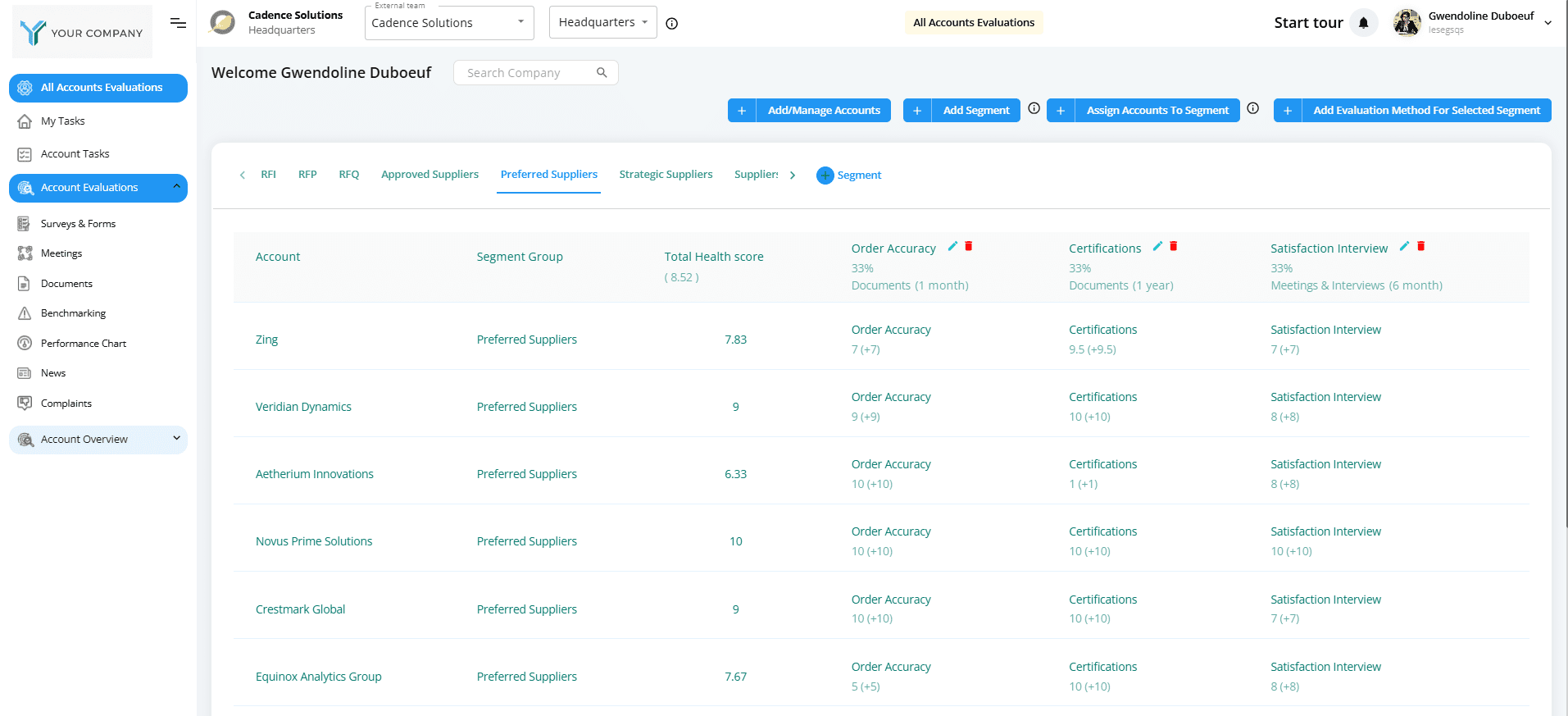
Understanding the Importance of On-Time Delivery Metrics

In today’s fast-paced business environment, ensuring that products are delivered on time is crucial for maintaining a competitive edge. On-time delivery metrics serve as a vital component in assessing supplier performance and logistics efficiency. These metrics provide valuable insights into how well suppliers meet agreed-upon delivery schedules, which directly impacts inventory management, production timelines, and customer satisfaction.

The Role of Supplier Logistics KPIs

Supplier logistics KPIs (Key Performance Indicators) are essential tools for evaluating the effectiveness and reliability of vendor operations. These KPIs encompass various aspects of supplier performance, including lead times, order accuracy, and transportation efficiency. By closely monitoring these indicators, businesses can identify areas for improvement and foster stronger relationships with their suppliers.

Key Supplier Logistics KPIs to Track

  • Lead Time: Measures the time taken from placing an order to its delivery. Shorter lead times often indicate a more efficient supply chain.
  • Order Accuracy: Assesses the percentage of orders delivered without errors or discrepancies. High accuracy rates reflect reliable vendor fulfillment processes.
  • Transportation Efficiency: Evaluates the cost-effectiveness and timeliness of shipping methods used by suppliers.

The Impact of Vendor Fulfillment on Procurement Performance

Vendor fulfillment plays a critical role in procurement performance tracking. Efficient fulfillment processes ensure that goods are available when needed, minimizing disruptions in production and sales activities. By analyzing vendor fulfillment data, companies can make informed decisions about supplier selection and contract negotiations.

Strategies for Enhancing Vendor Fulfillment

  • Regular Performance Reviews: Conduct periodic assessments of supplier performance against established KPIs to identify strengths and weaknesses.
  • Collaborative Planning: Engage in joint planning sessions with suppliers to align expectations and improve coordination across supply chain activities.
  • Technology Integration: Utilize advanced software solutions to streamline communication and data sharing between procurement teams and suppliers.

The Benefits of Effective Procurement Performance Tracking

An effective procurement performance tracking system enables organizations to maintain high standards in their supply chain operations. It helps mitigate risks associated with delayed deliveries or subpar product quality while promoting transparency and accountability among all stakeholders involved. Ultimately, this leads to improved operational efficiency, reduced costs, and enhanced customer satisfaction.

Conclusion: Building Stronger Supplier Relationships Through Metrics

The strategic use of on-time delivery metrics and supplier logistics KPIs is instrumental in optimizing supplier delivery processes. By focusing on these key areas, businesses can enhance their procurement strategies, reduce risks, and build stronger partnerships with their vendors. This approach not only supports organizational goals but also contributes to a more resilient supply chain capable of adapting to changing market demands.

In the ever-evolving landscape of procurement, managing supplier relationships and mitigating risks are crucial for maintaining a resilient supply chain. One effective tool that organizations can leverage is the supplier risk scorecard. This strategic approach not only enhances procurement processes but also ensures long-term sustainability by focusing on key procurement risk indicators.

Understanding Supplier Risk Scorecards

A supplier risk scorecard is a comprehensive evaluation tool used to assess and monitor the potential risks associated with vendors. By systematically tracking various risk factors, businesses can make informed decisions about their suppliers, ensuring that they align with organizational goals and compliance requirements.

Key Components of a Supplier Risk Scorecard

  • Financial Stability: Analyzing a supplier’s financial health helps predict their ability to fulfill contractual obligations.
  • Operational Performance: Evaluating delivery times, quality of goods or services, and overall reliability provides insights into operational efficiency.
  • Compliance and Regulatory Risks: Ensuring suppliers adhere to industry standards and regulations minimizes legal liabilities.
  • Sustainability Practices: Assessing environmental impact and ethical practices aligns with corporate social responsibility initiatives.

The Importance of Procurement Risk Indicators

Procurement risk indicators are metrics used to identify potential vulnerabilities in the supply chain. These indicators help organizations proactively address issues before they escalate into significant problems. By integrating these indicators into a supplier risk scorecard, businesses can achieve a more holistic view of vendor performance and associated risks.

Benefits of Using Procurement Risk Indicators

  • Enhanced Decision-Making: With clear data on supplier risks, procurement teams can make better-informed sourcing decisions.
  • Improved Vendor Relationships: Regular evaluations foster open communication and collaboration with suppliers, leading to stronger partnerships.
  • Risk Mitigation: Early identification of potential issues allows for timely interventions, reducing disruptions in the supply chain.

The Role of Vendor Risk Tracking in Procurement

An integral part of utilizing a supplier risk scorecard is continuous vendor risk tracking. This ongoing process involves regularly updating scorecards based on new data and changing circumstances. By doing so, organizations maintain an up-to-date understanding of their suppliers’ capabilities and challenges.

The Process of Effective Vendor Risk Tracking

  1. Data Collection: Gather relevant information from various sources such as financial reports, performance reviews, and compliance audits.
  2. Analysis: Evaluate the collected data against predefined criteria to determine each supplier’s risk level.
  3. Reporting: Communicate findings through detailed reports that highlight areas requiring attention or improvement.
  4. Action Planning: Develop strategies to address identified risks while enhancing overall supplier performance.

The Value of Risk-Based Evaluation in Supplier Management

A risk-based evaluation approach prioritizes resources towards high-risk areas within the supply chain. By focusing efforts where they are most needed, organizations can optimize their procurement strategies while safeguarding against potential disruptions. This method not only improves efficiency but also supports strategic growth by aligning procurement activities with broader business objectives.

The use of supplier risk scorecards represents a proactive step towards robust supply chain management. By incorporating procurement risk indicators and engaging in diligent vendor risk tracking, businesses can enhance their resilience against unforeseen challenges while fostering productive collaborations with their suppliers. In today’s competitive market environment, adopting such comprehensive evaluation tools is not just beneficial—it’s essential for sustained success.

Understanding Supplier Segmentation

Supplier segmentation is a critical component of any effective procurement strategy. By categorizing suppliers based on their importance and impact on your business, you can allocate resources more efficiently and manage relationships strategically. This process involves evaluating suppliers across various dimensions such as cost, quality, reliability, and risk.

The Importance of Vendor Prioritization

Vendor prioritization helps organizations focus their efforts on the most critical supplier relationships. Not all suppliers are created equal; some may provide essential goods or services that directly affect your operations, while others might be more peripheral. By identifying key vendors, companies can ensure they maintain strong partnerships where it matters most.

Developing a Robust Procurement Strategy

A well-defined procurement strategy is vital for achieving long-term success in supplier management. This includes setting clear objectives, understanding market dynamics, and aligning procurement goals with overall business strategies. A strategic approach allows businesses to leverage their purchasing power effectively and negotiate better terms with suppliers.

Steps to Effective Supplier Evaluation

  • Define Evaluation Criteria: Establish clear criteria for assessing suppliers based on factors like price competitiveness, delivery performance, and innovation capabilities.
  • Conduct Regular Assessments: Schedule periodic evaluations to monitor supplier performance and ensure they meet your standards consistently.
  • Utilize Technology: Implement digital tools to streamline the evaluation process and gain insights into supplier data for informed decision-making.

Navigating Supplier Risk Tiers

An essential aspect of supplier evaluation is understanding the risk associated with each vendor. Suppliers can be categorized into different risk tiers based on factors such as financial stability, geopolitical considerations, and compliance history. By identifying high-risk suppliers early on, companies can develop mitigation strategies to minimize potential disruptions.

Benefits of Effective Supplier Management

  • Enhanced Collaboration: Building strong relationships with key suppliers fosters collaboration and innovation.
  • Cost Savings: Strategic sourcing decisions lead to better pricing agreements and reduced operational costs.
  • Sustainability Goals: Partnering with responsible suppliers supports corporate sustainability initiatives.

The Path Forward: Continuous Improvement

The landscape of supplier management is ever-evolving. Companies must remain agile by continuously refining their evaluation processes and adapting to changes in the market environment. By prioritizing suppliers effectively, businesses can not only mitigate risks but also unlock new opportunities for growth and competitive advantage.

This guide serves as a foundation for developing a comprehensive approach to supplier evaluation that aligns with organizational goals while ensuring resilience in supply chain operations.

Understanding Indirect Procurement

Indirect procurement refers to the process of acquiring goods and services that are not directly tied to a company’s core business operations. These can include office supplies, marketing services, and maintenance activities. While indirect spend might seem less critical than direct procurement, it often represents a significant portion of a company’s total expenses.

The Importance of Non-Core Supplier Evaluation

Evaluating non-core suppliers is crucial for optimizing indirect spend. By assessing these vendors’ performance, companies can ensure they receive value for money and maintain quality standards across all areas of operation. Effective supplier evaluation helps in identifying potential risks and opportunities for cost savings.

Vendor Performance Tracking: A Key Component

Tracking vendor performance is essential for maintaining high standards in indirect procurement. Regular monitoring allows businesses to identify underperforming suppliers and take corrective actions promptly. This proactive approach not only mitigates risks but also fosters stronger relationships with reliable vendors.

The Role of Procurement Scorecards

Procurement scorecards serve as valuable tools in evaluating supplier performance. These scorecards provide a structured framework for assessing various aspects such as delivery timelines, quality of goods or services, compliance with contractual terms, and overall reliability.

  • Comprehensive Metrics: Scorecards typically include metrics that cover financial stability, service levels, innovation capabilities, and sustainability practices.
  • Objective Assessment: By using standardized criteria, procurement scorecards offer an objective way to compare different suppliers and make informed decisions.
  • Continuous Improvement: Regular use of scorecards encourages continuous improvement among suppliers by highlighting areas needing enhancement.

Enhancing Collaboration Through Scorecards

A well-implemented supplier scorecard system promotes collaboration between companies and their vendors. By providing clear feedback on performance metrics, businesses can work together with suppliers to address issues and explore new opportunities for mutual growth.

Building Stronger Partnerships

This collaborative approach helps build stronger partnerships based on trust and transparency. Suppliers who understand their clients’ expectations are more likely to deliver consistent results that align with business objectives.

Navigating Risks Effectively

An effective supplier evaluation process also aids in risk management by identifying potential vulnerabilities early on. Companies can then develop strategies to mitigate these risks before they impact operations or financial performance negatively.

Conclusion: The Strategic Value of Supplier Scorecards

Optimizing indirect spend through supplier scorecards offers strategic advantages beyond mere cost savings. It enhances operational efficiency, strengthens vendor relationships, and ensures alignment with organizational goals. By prioritizing non-core supplier evaluation and leveraging procurement scorecards effectively, businesses can unlock significant value from their indirect procurement activities.

In today’s competitive business landscape, aligning procurement KPIs with overarching business goals is essential for achieving strategic success. This alignment ensures that procurement activities contribute directly to the company’s objectives, fostering a more integrated and efficient approach to sourcing and supplier management.

Understanding Procurement Alignment

Procurement alignment involves synchronizing procurement strategies and key performance indicators (KPIs) with the broader goals of the organization. This process not only enhances operational efficiency but also supports strategic sourcing initiatives by ensuring that all procurement efforts are directed towards achieving business-driven metrics.

The Importance of Strategic Sourcing

Strategic sourcing is a critical component of effective procurement alignment. By focusing on long-term supplier relationships and value creation rather than just cost reduction, organizations can better support their overall business strategy. Strategic sourcing helps in identifying suppliers who align with the company’s values and objectives, thus enhancing collaboration and reducing risks associated with supply chain disruptions.

Key Supplier KPIs for Business Success

To effectively align procurement activities with business goals, it is crucial to establish relevant supplier KPIs. These metrics should be designed to measure not only cost savings but also other vital aspects such as quality, delivery performance, innovation potential, and risk management capabilities.

  • Cost Efficiency: While cost remains a significant factor, it should be balanced with other considerations to ensure sustainable value creation.
  • Quality Assurance: Monitoring product or service quality helps maintain high standards and customer satisfaction.
  • Delivery Performance: Timely deliveries are crucial for maintaining smooth operations and meeting customer demands.
  • Innovation Potential: Suppliers who contribute innovative solutions can provide a competitive edge in the market.
  • Risk Management: Evaluating suppliers’ risk profiles helps mitigate potential disruptions in the supply chain.

The Role of Business-Driven Metrics

Business-driven metrics play a pivotal role in aligning procurement functions with organizational goals. These metrics go beyond traditional financial measures to include factors such as sustainability practices, ethical sourcing standards, and social responsibility commitments. By incorporating these elements into supplier evaluations, companies can ensure that their procurement strategies support broader corporate values and objectives.

Sustainability Practices

Sustainability has become an integral part of many organizations’ strategic agendas. Aligning procurement KPIs with sustainability goals encourages suppliers to adopt environmentally friendly practices, thereby contributing to the company’s overall sustainability targets.

Ethical Sourcing Standards

An increasing number of businesses prioritize ethical sourcing as part of their corporate responsibility initiatives. By evaluating suppliers based on their adherence to ethical standards, companies can promote fair labor practices and reduce reputational risks associated with unethical supply chains.

The Path Forward: Enhancing Supplier Collaboration

A successful alignment between procurement KPIs and business goals requires ongoing collaboration between companies and their suppliers. Open communication channels foster transparency and trust, enabling both parties to work towards shared objectives effectively. Regular reviews of supplier performance against established KPIs help identify areas for improvement and drive continuous enhancement in supplier relationships.

In conclusion, aligning procurement KPIs with business goals is not merely about tracking costs; it’s about creating a cohesive strategy that supports long-term growth and resilience. By focusing on strategic sourcing, establishing relevant supplier KPIs, adopting business-driven metrics, and enhancing collaboration with suppliers, organizations can achieve greater synergy between their procurement functions and overall business objectives.

In today’s dynamic business environment, maintaining robust supplier relationships is crucial for any organization aiming to thrive. A key component of this relationship is the effective use of a supplier feedback loop. This mechanism not only enhances vendor collaboration but also strengthens procurement communication and boosts overall supplier engagement.

Understanding the Supplier Feedback Loop

A supplier feedback loop is a systematic process that involves collecting, analyzing, and acting on feedback from suppliers. This continuous cycle helps organizations identify areas for improvement, address potential risks, and foster a collaborative atmosphere with their vendors. By integrating regular feedback into procurement strategies, companies can ensure that both parties are aligned in their goals and expectations.

The Importance of Vendor Collaboration

Vendor collaboration goes beyond mere transactional interactions; it involves building partnerships based on trust and mutual benefit. Through an effective feedback loop, businesses can open channels for transparent communication with their suppliers. This transparency allows for better problem-solving and innovation as both parties work together towards common objectives.

Enhancing Procurement Communication

Effective procurement communication is essential for smooth operations and successful supplier relationships. A well-structured feedback loop ensures that communication lines remain open and clear. Regular updates and constructive criticism help suppliers understand the company’s needs better, leading to improved service delivery and product quality.

Steps to Implementing a Supplier Feedback Loop

  • Define Objectives: Clearly outline what you aim to achieve through the feedback loop. Whether it’s improving product quality or reducing lead times, having specific goals will guide the process.
  • Gather Feedback: Use surveys, meetings, or digital platforms to collect input from your suppliers regularly. Ensure that the process is straightforward to encourage participation.
  • Analyze Data: Evaluate the collected data to identify trends, strengths, weaknesses, and areas needing attention.
  • Act on Insights: Develop action plans based on the insights gained from the analysis. Communicate these plans clearly with your suppliers to ensure alignment.
  • Review & Adjust: Periodically review the effectiveness of your feedback loop process and make necessary adjustments to improve its efficiency.

The Benefits of Strong Supplier Engagement

A well-executed supplier feedback loop leads to enhanced supplier engagement. Engaged suppliers are more likely to be proactive in addressing issues, suggesting improvements, and investing in long-term partnerships with your organization. This proactive approach reduces risks associated with supply chain disruptions and contributes positively to business continuity.

Conclusion

The implementation of a robust supplier feedback loop is an invaluable strategy for any organization looking to enhance its vendor relationships. By fostering open communication channels through structured processes, companies can build stronger partnerships that drive mutual success. As businesses continue navigating complex markets, prioritizing effective supplier engagement will remain a cornerstone of sustainable growth.

Clarabridge vs. EvaluationsHub: From Listening to Leading with Feedback

Clarabridge (now part of Qualtrics) has built a strong reputation for analyzing unstructured customer feedback. It pulls insights from call center transcripts, social media, and surveys to generate sentiment scores and customer experience themes.

But while listening is important, it’s only half the story.

If your organization needs to proactively evaluate suppliers, customers, or internal teams—based on structured templates, clear scoring, and tracked actions—Clarabridge simply isn’t built for that.

That’s where EvaluationsHub comes in.

Rather than analyzing what’s been said after the fact, EvaluationsHub helps you run proactive, multi-party evaluations that are designed to improve performance—not just understand it.


What Clarabridge Does Well

Clarabridge shines in:

  • Parsing large volumes of natural language feedback

  • Identifying emotion, sentiment, and intent

  • Aggregating trends across customer service and social channels

  • Surfacing insights from fragmented feedback

If you’re a call center-heavy brand with a high volume of support tickets, or a B2C player handling millions of reviews, Clarabridge’s natural language engine is useful.

But if your job is to run supplier scorecards, onboarding evaluations, or internal assessments, and then automate follow-up, Clarabridge is not equipped for it.

It listens.
EvaluationsHub runs the process.


EvaluationsHub: Action-Oriented Feedback for Procurement, CX & ESG

EvaluationsHub gives you the power to:

  • Launch structured evaluations across any stakeholder group

  • Use scoring logic and templates for repeatable, consistent input

  • Track who responded, who didn’t, and what actions followed

  • Automatically aggregate results in dashboards

  • Assign ownership and follow-up per question or theme

Use it for:

  • Supplier performance reviews

  • Customer onboarding feedback

  • ISO audits

  • Sustainability evaluations

  • Internal collaboration reviews

In other words: structured, scalable, and accountable.


Clarabridge vs. EvaluationsHub: Feature Comparison

Capability Clarabridge EvaluationsHub
Platform Type VoC/NLP analytics for unstructured feedback Structured evaluation engine with scoring, tracking, and automation
Unstructured Text Analysis ✅ Core feature ✖️ Not designed for freeform data
Survey Integration ✔️ Yes, through Qualtrics ✔️ Native or via third-party integrations
Supplier Evaluations ✖️ Not supported ✅ Core use case – recurring, automated scorecards
ESG / ISO / Risk Templates ✖️ Not available ✅ Built-in, customizable evaluation templates
Internal Stakeholder Feedback ✖️ Not built for it ✅ Push evaluations to teams, roles, regions
Action Tracking / Accountability ⚠️ Manual via reporting ✅ Built-in ownership, reminders, loop closure
Branded Stakeholder Portals ✖️ No ✅ Yes – branded external-facing portals
Scoring & Dashboards ✔️ Sentiment dashboards ✅ Score-based dashboards per evaluation, template, or entity
Deployment Time Weeks/months Days – live in less than a week
Pricing Model Enterprise, often bundled with Qualtrics Modular and transparent – includes free managed use case

When Listening Isn’t Enough: Why EvaluationsHub Complements or Replaces Clarabridge

Clarabridge is great for interpreting feedback after it’s happened.
But many organizations need to drive the evaluation, not just analyze what surfaces organically.

If you’re managing:

  • Supplier relationships

  • Post-project feedback loops

  • ESG risk assessments

  • Internal audits

…then EvaluationsHub is a better match. You get the control, structure, and tracking you need to actually drive improvement—not just uncover sentiment trends.


Final Verdict

Clarabridge is a smart engine for feedback you didn’t ask for.
EvaluationsHub is the platform for the feedback you proactively manage.

They’re not interchangeable—they serve different needs. But if your business runs on supplier ecosystems, operational excellence, and evaluation-based compliance, EvaluationsHub gives you a faster, lighter, and purpose-built solution.


Try a Real Evaluation – Not a Demo

EvaluationsHub includes one fully managed account for free. No sandbox. No generic walkthrough. Just a real evaluation—live and in your context.

👉 Start your first evaluation now

Understanding Supplier Value Assessment

In the realm of procurement, evaluating suppliers goes beyond merely comparing prices. A comprehensive supplier value assessment involves examining various factors that contribute to the overall value a vendor brings to your organization. This approach ensures that you are not only getting competitive pricing but also maximizing long-term benefits and minimizing risks.

The Importance of Total Cost of Ownership

Total cost of ownership (TCO) is a critical concept in supplier evaluation. It encompasses all costs associated with acquiring, operating, and maintaining a product or service over its lifecycle. By focusing on TCO, businesses can identify hidden expenses such as maintenance, downtime, and disposal costs that may not be apparent at first glance. This holistic view helps organizations make informed decisions that align with their strategic goals.

Assessing Vendor Quality

Quality is another pivotal factor in supplier evaluation. High-quality vendors consistently deliver products or services that meet or exceed expectations, reducing the likelihood of defects and returns. Evaluating vendor quality involves assessing their production processes, quality control measures, and track record for reliability. By prioritizing quality in your procurement strategy, you enhance customer satisfaction and protect your brand reputation.

Developing an Effective Procurement Strategy

An effective procurement strategy integrates supplier evaluations into its core processes. This strategy should include criteria for assessing potential vendors based on their ability to deliver value beyond price alone. Considerations might include financial stability, compliance with industry standards, innovation capabilities, and alignment with your company’s values and objectives.

  • Financial Stability: Ensure suppliers have the financial health to support long-term partnerships.
  • Compliance: Verify adherence to industry regulations and ethical standards.
  • Innovation: Evaluate the supplier’s commitment to innovation and continuous improvement.
  • Cultural Fit: Assess how well the supplier aligns with your organizational culture and values.

The Role of Collaboration in Supplier Relationships

A collaborative approach to supplier relationships fosters mutual growth and success. By working closely with suppliers, businesses can drive innovation, improve efficiencies, and respond more effectively to market changes. Establishing open lines of communication encourages transparency and trust, which are essential for resolving issues swiftly and maintaining strong partnerships.

Conclusion

Sourcing decisions should be guided by a comprehensive understanding of supplier value assessment rather than solely focusing on price tags. By considering total cost of ownership, vendor quality, strategic alignment, and collaboration potential, organizations can build robust procurement strategies that deliver superior value over time. Embracing this multifaceted approach empowers businesses to mitigate risks while enhancing operational efficiency and competitiveness in today’s dynamic marketplace.

Understanding the Importance of Supplier Scorecards

In today’s competitive market, maintaining strong supplier relationships is crucial for business success. Actionable scorecards play a vital role in evaluating supplier performance and driving improvement. These tools provide procurement teams with valuable insights into vendor accountability, helping to foster collaboration and mitigate risks.

Key Components of an Effective Supplier Scorecard

An effective supplier scorecard should encompass several key components that offer a comprehensive view of supplier performance:

  • Quality Metrics: Assessing the quality of goods or services provided by suppliers is fundamental. This includes tracking defect rates, compliance with specifications, and customer feedback.
  • Delivery Performance: Timely delivery is critical to maintaining operational efficiency. Scorecards should measure on-time delivery rates and adherence to agreed schedules.
  • Cost Management: Evaluating cost-effectiveness involves analyzing pricing structures, cost-saving initiatives, and overall financial impact on the organization.
  • Sustainability Practices: With increasing emphasis on sustainability, scorecards should consider environmental impact and ethical practices of suppliers.
  • Innovation Capability: Suppliers who contribute innovative solutions can add significant value. Tracking their ability to innovate helps in identifying strategic partners.

The Role of Procurement Insights in Supplier Improvement

Procurement insights derived from actionable scorecards are instrumental in driving supplier performance improvement. By analyzing data collected through these scorecards, organizations can identify areas where suppliers excel or need enhancement. This information allows procurement teams to develop targeted strategies for improvement and foster open communication with vendors.

Enhancing Vendor Accountability Through Collaboration

A well-structured supplier scorecard not only evaluates performance but also enhances vendor accountability. By setting clear expectations and providing regular feedback, businesses encourage suppliers to take ownership of their roles within the supply chain. Collaborative efforts between buyers and suppliers lead to mutual growth and improved outcomes for both parties.

The Benefits of Implementing Actionable Scorecards

The implementation of actionable scorecards offers numerous benefits for organizations seeking to optimize their supply chain operations:

  • Improved Decision-Making: Access to detailed performance data enables informed decision-making regarding supplier selection and management.
  • Risk Mitigation: Identifying potential risks early through continuous monitoring helps prevent disruptions in the supply chain.
  • Enhanced Supplier Relationships: Regular evaluations promote transparency and trust between businesses and their suppliers.
  • Sustainable Growth: Focusing on long-term improvements ensures sustainable growth for both the organization and its suppliers.

Conclusion

Create actionable supplier scorecards as part of your procurement strategy to gain valuable insights into vendor performance. By focusing on key metrics such as quality, delivery, cost management, sustainability, and innovation capability, organizations can drive meaningful improvements in their supply chain operations. Ultimately, fostering collaboration through transparent evaluations leads to enhanced vendor accountability and sustainable business growth.