Imagine shaving hours off your work week while making smarter decisions for your business. Sounds appealing, right?

This is exactly what AI in procurement offers you. It’s not just a buzzword—it’s a game-changer. By integrating AI, you can streamline your procurement processes, reduce costs, and improve accuracy like never before. Curious about how this transformative technology can benefit your organization?

Keep reading to uncover the secrets of AI in procurement and how it can give you a competitive edge in today’s fast-paced market.

Role Of Ai In Modern Procurement

Artificial intelligence enhances modern procurement by automating repetitive tasks and improving decision-making. It analyzes data to predict trends, helping businesses save money and time. AI tools also streamline processes, making procurement more efficient and reliable.

The role of AI in modern procurement is transforming how businesses operate. As companies strive for efficiency and cost savings, AI steps in as a powerful tool. It’s reshaping procurement processes, making them faster, smarter, and more reliable.

How Ai Enhances Decision Making

AI provides procurement teams with valuable insights. It analyzes vast amounts of data swiftly, helping you make informed decisions. Imagine reducing the time spent on routine tasks while boosting accuracy. AI tools can predict trends based on historical data. This means you’re not just reacting to market changes but anticipating them. You gain a competitive edge by being proactive rather than reactive.

Streamlining Supplier Management

Managing suppliers can be complex, but AI simplifies it. It evaluates supplier performance and identifies potential risks. This ensures you work with reliable partners who meet your standards. AI automates communication with suppliers, reducing manual effort. You save time and minimize errors, improving overall efficiency. How would your business change if supplier interactions were seamless?

Improving Cost Efficiency

Cost control is crucial in procurement. AI helps analyze spending patterns to pinpoint savings opportunities. You can negotiate better deals and optimize your budget. AI-powered systems detect anomalies in transactions. This reduces the risk of fraud and ensures every dollar spent is justified. Are you maximizing your resources to their full potential?

Enhancing Strategic Sourcing

Strategic sourcing becomes more effective with AI. It evaluates market conditions and suggests optimal sourcing strategies. This means you can source smarter, not harder. AI aids in identifying alternative suppliers when disruptions occur. You maintain continuity even in challenging times, safeguarding your supply chain. How would a robust sourcing strategy impact your business growth?

Boosting Compliance And Risk Management

Compliance in procurement is non-negotiable. AI monitors regulations and ensures adherence to legal standards. This protects you from costly penalties and reputational damage. Risk management is another area AI excels in. It assesses potential threats and recommends mitigation strategies. Are you prepared to handle risks before they become problems? AI in procurement is more than just technology; it’s a strategic partner. How are you leveraging AI to transform your procurement process?

Enhancing Supplier Relationship Management

Imagine a world where you can predict supplier behavior and manage relationships with precision. In procurement, this isn’t just a dream—it’s becoming reality through AI technology. By enhancing supplier relationship management, you can streamline operations and improve communication with your suppliers.

AI allows you to make informed decisions quickly, ensuring that you choose the right supplier for your needs. It also helps you monitor supplier performance without the hassle of manual processes. But how exactly does AI achieve these feats?

Predictive Analytics For Supplier Selection

Predictive analytics uses data to forecast which suppliers will best meet your requirements. By analyzing past performance and current market trends, you can make smarter choices. This saves you time and reduces the risk of selecting a supplier who might not deliver.

Consider a scenario where you have multiple suppliers to choose from. AI can help you sift through tons of data, identifying which supplier has consistently met deadlines and quality standards. This way, you can focus on building long-term relationships with reliable partners.

Wouldn’t you want to avoid the headache of dealing with an unreliable supplier? Predictive analytics offers a practical solution to this challenge.

Automated Supplier Performance Monitoring

Once you’ve selected your suppliers, keeping tabs on their performance is crucial. Automated supplier performance monitoring lets you track key metrics without lifting a finger. You receive real-time updates on delivery times, quality checks, and compliance with agreements.

Imagine not having to chase after reports or worry about missing crucial information. Automated monitoring provides you with a dashboard view, making it easier to spot trends and address issues promptly.

How often have you wished for a system that alerts you when a supplier’s performance dips? Automation does just that, empowering you to take corrective action before small issues become big problems.

By leveraging AI in procurement, you can enhance supplier relationships, ensuring they are both productive and sustainable. Wouldn’t it be great to manage these relationships with ease and efficiency?

Streamlining Procurement Processes

Streamlining procurement processes is rapidly transforming how businesses operate. You may recall a time when procurement was a tedious task, full of paperwork and manual checks. Today, AI is simplifying these processes, saving you time and resources. Imagine the ease of automating purchase orders and intelligently managing contracts. AI is not just a tool; it’s your partner in crafting a more efficient procurement system.

Automated Purchase Orders

Imagine never having to manually draft a purchase order again. AI handles this seamlessly, reducing errors and speeding up the process. You simply set your criteria, and AI generates purchase orders based on real-time data. This ensures you never miss a deadline or overpay due to manual oversight.

Consider how much time you could save with automated purchase orders. No more chasing down approvals or sifting through spreadsheets. AI coordinates everything, allowing you to focus on strategic tasks. Are you ready to experience a new level of efficiency?

Intelligent Contract Management

Contracts are often the backbone of procurement, yet managing them can be complex. AI offers intelligent contract management, simplifying the process. You can automate contract creation, analysis, and even renewal alerts. This reduces the risk of missing crucial details.

Think about the peace of mind knowing your contracts are being monitored continuously. AI can highlight potential issues before they become problems. You can even track compliance automatically. Wouldn’t it be great to have a system that ensures everything runs smoothly without constant supervision?

AI in procurement is not a distant future concept—it’s here and it’s effective. By embracing these technologies, you’re not just upgrading your systems; you’re transforming your entire approach to procurement. What’s holding you back from making the leap?

Risk Management And Compliance

In the world of procurement, managing risks is crucial. Compliance is equally important. AI offers tools that enhance these processes. It can analyze vast amounts of data quickly. This helps identify potential risks and ensure compliance. Integrating AI in procurement leads to more efficient operations.

Real-time Risk Assessment

AI provides instant risk assessment capabilities. It can analyze transactions as they happen. This means potential issues are identified immediately. Real-time data processing enables quick responses. Companies can make informed decisions faster. This reduces the chances of costly errors. AI’s predictive models help foresee future risks. Patterns are detected early, allowing proactive measures.

Ensuring Regulatory Compliance

Regulatory compliance is a significant concern in procurement. AI simplifies this process. It continuously monitors regulations and updates systems. Automated checks ensure adherence to current standards. This minimizes human errors. AI tools also provide detailed compliance reports. These reports are easy to understand and act upon. Companies can streamline their compliance strategies effectively.

Optimizing Inventory Management

Artificial Intelligence (AI) is transforming procurement. It enhances inventory management significantly. Businesses seek to minimize waste and cut costs. AI offers precise solutions. With AI, companies manage their stock efficiently.

AI tools analyze data to predict demand. They ensure that stocks align with future needs. This results in reduced holding costs and increased efficiency. Let’s explore key aspects of AI in inventory management.

Demand Forecasting

AI uses historical data to forecast demand. It analyzes trends and patterns. AI predicts future stock needs accurately. This helps businesses prepare for fluctuations. Companies can avoid overstocking or understocking. Accurate demand forecasting enhances customer satisfaction. It ensures products are available when needed.

Inventory Level Optimization

AI optimizes inventory levels by providing real-time insights. It identifies slow-moving and fast-selling items. This helps in making informed purchasing decisions. Businesses can maintain optimal stock levels effortlessly. AI reduces storage costs by minimizing excess inventory. It ensures that resources are used effectively. Companies can streamline operations and increase profitability.

Enhancing Decision-making

Artificial intelligence simplifies procurement by analyzing data for better decisions. It offers clear insights into supplier performance. This technology speeds up processes, reducing human error and enhancing efficiency.

In the fast-paced world of procurement, making informed decisions quickly is crucial. AI is transforming how procurement professionals like you make choices by providing data-driven insights and decision support systems that elevate your game. Imagine having a digital assistant that not only processes information faster than any human but also helps you see patterns you might miss. That’s the power of AI in procurement. 

Data-driven Insights

Data is everywhere, but how do you make sense of it? AI analyzes vast amounts of information, identifying trends and anomalies that can affect your procurement strategy. Have you ever found yourself bogged down by spreadsheets and reports? AI tools can sift through this data, highlighting key insights and saving you precious time. Think about how your decision-making process would change if you had real-time updates on supplier performance and market conditions. This is the reality AI offers, allowing you to make informed choices that can lead to cost savings and improved efficiency. 

Ai-powered Decision Support Systems

Decision support systems powered by AI go a step further by providing recommendations based on the data they analyze. These systems can suggest the best suppliers, optimal purchase times, and even predict potential disruptions. Consider a scenario where you need to decide between multiple suppliers. AI can evaluate each option based on past performance, cost-effectiveness, and reliability, giving you a clear recommendation. Have you ever wished you had a crystal ball to predict the future? While AI isn’t magic, it provides forecasts and scenarios that help you prepare for possible challenges. This proactive approach can make you more resilient in a rapidly changing market. Are you leveraging AI in your procurement decisions yet? If not, it might be time to explore how these tools can enhance your decision-making process, making your job not only easier but also more effective.

Challenges In Ai Integration

Integrating AI in procurement offers many benefits. Yet, challenges persist. These challenges can slow adoption. They might even deter some businesses. Understanding these challenges is crucial. It helps in planning better integration strategies. Let’s explore some of these challenges.

Data Privacy Concerns

Data privacy is a major issue. AI systems need vast amounts of data. This data often includes sensitive information. Businesses worry about data breaches. They fear losing customer trust. Laws like GDPR add pressure. Companies must comply with strict regulations. This compliance can be costly. It also requires constant monitoring and updates. These factors make data privacy a key concern.

Resistance To Change

Change can be hard. Employees often resist new technologies. They fear losing their jobs. Some may lack the skills needed. Training programs can help. But they take time and resources. Management support is crucial. Leaders must encourage a positive attitude. They should highlight AI’s benefits. Clear communication can ease fears. It can promote acceptance and enthusiasm.

Future Of Ai In Procurement

AI in procurement enhances decision-making and streamlines operations. It predicts trends, manages risks, and reduces costs efficiently. These technologies offer valuable insights, helping businesses stay competitive and agile in changing markets.

The future of AI in procurement is not just about adopting new tools; it’s about transforming the entire procurement process. Imagine a world where procurement decisions are made with precision, speed, and insight. That’s the promise AI holds. By leveraging AI, you can enhance your procurement strategies and streamline operations, making the process not just efficient but intelligent.

Emerging Technologies

AI technologies are rapidly evolving, bringing new possibilities to procurement. Think of machine learning algorithms that predict supply chain disruptions before they occur. These tools can analyze vast amounts of data, providing you with actionable insights. Natural language processing can automate contract analysis, saving you hours of work. It ensures compliance and highlights critical terms, making negotiations smoother. As AI technologies continue to advance, they offer you innovative solutions that were once unimaginable.

Long-term Industry Impacts

AI’s impact on procurement is profound and lasting. Automation reduces human error, leading to more accurate procurement decisions. This shift allows you to focus on strategic tasks, enhancing the value you bring to your organization. The integration of AI fosters collaboration by providing real-time data and insights. It encourages transparency and trust among stakeholders. Consider how AI could redefine roles within your team, creating new opportunities for growth and development. As AI reshapes the industry, it challenges you to adapt and innovate continually.
Are you ready to embrace these changes? How will AI redefine your procurement strategies in the years to come? The future is bright, and the potential is limitless. Are you prepared to harness the power of AI for a smarter procurement process?

Frequently Asked Questions

How Is Ai Used In Procurement Process?

AI automates procurement tasks, analyzes data for insights, predicts trends, and enhances supplier management. It improves efficiency, reduces costs, and ensures strategic decision-making. AI tools streamline processes, enhance compliance, and optimize inventory management, benefiting procurement teams with faster, smarter operations.

Will Ai Replace Procurement?

AI enhances procurement but doesn’t replace it entirely. Human expertise remains crucial for complex decisions and supplier relationships. AI automates repetitive tasks, boosts efficiency, and provides data insights. Procurement professionals adapt to new technologies, leveraging AI for strategic advantages while maintaining essential human touch in negotiations and evaluations.

What Is The Best Ai For Procurement?

AI tools like EvaluationsHub and IBM Watson are top choices for procurement. They streamline processes, enhance efficiency, and provide data-driven insights. Their advanced analytics and automation capabilities make them ideal for optimizing procurement strategies. Consider features that align with your business needs for the best results.

How To Use Machine Learning In Procurement?

Integrate machine learning in procurement to forecast demand, optimize inventory, and automate supplier selection. Analyze data for cost savings, improve decision-making, and enhance supply chain efficiency. Implement predictive analytics to identify trends and reduce risks, ensuring a competitive advantage in procurement processes.

Conclusion

AI transforms procurement. Streamlines processes. Boosts efficiency. Reduces human errors. It’s vital for modern businesses. Procurement teams gain insights. Data becomes actionable. Costs decrease. Decision-making improves. Collaboration gets easier. Automation saves time. AI tools are accessible. Affordable. Companies embrace AI.

Competitive edge grows. Future possibilities are endless. Changes are rapid. Adoption must be strategic. Training is essential. Benefits are clear. Challenges exist. Address them wisely. Stay informed. Stay adaptable. Procurement evolves. AI is a powerful partner. Embrace it. Plan ahead.

Witness transformation. Achieve goals efficiently.

{ “@context”: “https://schema.org”, “@type”: “FAQPage”, “mainEntity”: [ { “@type”: “Question”, “name”: “How is AI used in procurement process?”, “acceptedAnswer”: { “@type”: “Answer”, “text”: “AI automates procurement tasks, analyzes data for insights, predicts trends, and enhances supplier management. It improves efficiency, reduces costs, and ensures strategic decision-making. AI tools streamline processes, enhance compliance, and optimize inventory management, benefiting procurement teams with faster, smarter operations.” } } , { “@type”: “Question”, “name”: “Will AI replace procurement?”, “acceptedAnswer”: { “@type”: “Answer”, “text”: “AI enhances procurement but doesn’t replace it entirely. Human expertise remains crucial for complex decisions and supplier relationships. AI automates repetitive tasks, boosts efficiency, and provides data insights. Procurement professionals adapt to new technologies, leveraging AI for strategic advantages while maintaining essential human touch in negotiations and evaluations.” } } , { “@type”: “Question”, “name”: “What is the best AI for procurement?”, “acceptedAnswer”: { “@type”: “Answer”, “text”: “AI tools like GEP SMART and IBM Watson are top choices for procurement. They streamline processes, enhance efficiency, and provide data-driven insights. Their advanced analytics and automation capabilities make them ideal for optimizing procurement strategies. Consider features that align with your business needs for the best results.” } } , { “@type”: “Question”, “name”: “How to use machine learning in procurement?”, “acceptedAnswer”: { “@type”: “Answer”, “text”: “Integrate machine learning in procurement to forecast demand, optimize inventory, and automate supplier selection. Analyze data for cost savings, improve decision-making, and enhance supply chain efficiency. Implement predictive analytics to identify trends and reduce risks, ensuring a competitive advantage in procurement processes.” } } ] }
 

Imagine a world where your procurement process is not only efficient but also smart and innovative. Digital Procurement Transformation is the key to unlocking this potential.

As you navigate through the ever-evolving business landscape, understanding the impact of digital procurement can give you a significant edge. This isn’t just about adopting new technology—it’s about revolutionizing the way you source, negotiate, and manage your supply chain. The possibilities are immense, and the benefits are tangible.

Are you ready to explore how digital procurement can transform your business and propel you into the future? Keep reading to discover the strategies and tools that can redefine your procurement process.

Importance Of Digital Procurement

Digital procurement is changing how businesses manage their purchasing processes. Its significance is growing due to increased efficiency and cost savings. This transformation helps organizations streamline operations and make better decisions.

Understanding Digital Procurement

Digital procurement involves using technology to manage purchasing activities. It replaces manual tasks with automated processes. This leads to faster and more accurate transactions. Companies gain a competitive edge by adopting digital procurement.

Benefits Of Digital Procurement

One major benefit is reduced costs. Automated systems minimize errors and waste. Companies save money and resources. Speed is another advantage. Transactions occur rapidly, improving supplier relationships.

Improved Visibility And Control

Digital procurement enhances visibility. Organizations track spending and inventory more efficiently. This leads to better control over budgets. It helps identify opportunities for savings and improvements.

Data-driven Decision Making

Technology provides valuable data insights. Companies analyze purchasing trends and patterns. Decision-making becomes data-driven and informed. This results in strategic planning and enhanced performance.

Enhanced Supplier Collaboration

Digital tools improve communication with suppliers. They foster collaboration and transparency. Suppliers are more responsive and accountable. This strengthens partnerships and business outcomes.

Scalability And Flexibility

Digital procurement adapts to business growth. It scales to meet changing demands. Organizations remain flexible and agile. This supports expansion and diversification efforts.

Environmental Impact

Digital procurement contributes to sustainability. It reduces paper usage and waste. Companies adopt eco-friendly practices. This aligns with global environmental goals.

Key Drivers Of Change

Digital procurement transformation is reshaping how organizations manage their supply chains and acquire goods and services. It’s not just about adopting new technologies; it’s about understanding the key drivers behind these changes. These drivers are pushing businesses to rethink their strategies and operations. Let’s dive into the crucial elements steering this transformation.

Technological Advancements

Technology is evolving faster than ever, and procurement needs to keep up. Automation tools, AI, and machine learning are making processes more efficient. Imagine reducing manual tasks and having data-driven insights at your fingertips. That’s the power of technology in procurement.

Cloud solutions are another game-changer. They offer flexibility and scalability, allowing your team to collaborate seamlessly from anywhere. If you’re still relying on outdated systems, you might be missing out on these benefits. How can these advancements improve your procurement strategy?

Market Demands

Consumer expectations are higher than ever. Rapid delivery and transparency are no longer optional. Your procurement strategy must adapt to meet these demands. Speed and accuracy in sourcing and delivery are critical.

Think about your own experiences as a consumer. You expect quick service and clear communication. Apply these expectations to your procurement processes. Are you meeting the market demands effectively?

Competitive Edge

The race for market leadership is fierce. Staying ahead means leveraging procurement transformation as a strategic advantage. Efficiency and innovation can differentiate you from competitors.

Consider how cutting-edge procurement practices can set your business apart. What unique solutions can you offer that others can’t? Your competitive edge might just lie in how well you adapt to these changes.

Reflect on your current strategies and think about how these drivers can enhance your procurement transformation. Are you ready to embrace change and lead your industry?

Steps To Digital Transformation

Digital procurement transformation involves a strategic overhaul of purchasing processes. It enhances efficiency, reduces costs, and boosts decision-making. Businesses must follow specific steps for successful digital transformation. These steps help align technology with business goals.

Assessment Of Current Processes

Understanding existing procurement processes is crucial. Evaluate workflows, identify inefficiencies, and pinpoint areas needing improvement. Analyze data to highlight bottlenecks or redundancies. This assessment forms the foundation for transformation. It ensures you know where you stand before making changes.

Setting Clear Objectives

Define clear and achievable goals. Determine what you want to achieve with digital transformation. Goals could include cost reduction, enhanced supplier management, or improved data accuracy. Clear objectives guide the transformation process. They provide a roadmap for success.

Technology Adoption

Choose the right technologies to support your objectives. Evaluate software solutions and tools that fit your needs. Consider cloud-based platforms for flexibility and scalability. Integration with existing systems is vital. Adopt technology that simplifies processes, enhances collaboration, and provides real-time insights.

Choosing The Right Tools

Selecting suitable tools is crucial for digital procurement transformation. Efficient tools enhance process efficiency and streamline operations. Proper choices lead to better supplier relationships and cost savings.

Choosing the right tools for digital procurement transformation can feel like navigating a maze. The plethora of options available can be overwhelming. But selecting the right tools is crucial for optimizing procurement processes, boosting efficiency, and driving business growth. The right tools can automate repetitive tasks, provide valuable insights, and enhance decision-making. Let’s explore some key categories of tools you should consider.

Software Solutions

Software solutions are the backbone of any digital procurement transformation. These tools help manage and streamline procurement processes. Look for software that offers features like supplier management, contract management, and purchase order management. Ease of use is essential. You want software that your team can quickly adapt to without extensive training. Cloud-based solutions are often preferred for their scalability and accessibility. Think about your specific needs. Some businesses might require robust reporting features, while others may prioritize integration with existing systems. Make sure the software you choose aligns with your strategic goals.

Automation Tools

Automation tools can significantly reduce the time spent on manual tasks. These tools handle repetitive processes like order entry, invoice processing, and approval workflows. Consider tools that offer flexibility. You should be able to customize them to fit your unique business processes. This customization can lead to increased efficiency and reduced errors. Automation doesn’t mean losing control. Good tools provide transparency and control, allowing you to monitor processes and intervene when necessary. Is your team ready to embrace automation?

Analytics Platforms

Analytics platforms offer insights that can drive smarter procurement decisions. They help you understand spending patterns, supplier performance, and market trends. Data visualization is a critical feature. It turns complex data into easy-to-understand graphs and charts. This visualization aids in quick decision-making and helps communicate insights to stakeholders. Choose a platform that integrates with your existing systems. Seamless integration ensures that data flows smoothly, providing a holistic view of your procurement activities. Are you leveraging analytics to its full potential? Selecting the right tools isn’t just about functionality. It’s about aligning with your business objectives and empowering your team to achieve more. As you explore these tools, keep your goals in mind and ask yourself: Are these tools helping you move closer to your vision for digital procurement transformation?

Training And Development

Training and development are crucial for digital procurement transformation. Companies must invest in their workforce to keep pace with new technologies. Skilled employees can drive innovation and efficiency in procurement processes. Training ensures staff understands the latest tools and strategies. This leads to better decision-making and cost savings.

Employee Skill Enhancement

Enhancing employee skills is key for digital transformation. Training programs should focus on new procurement software and data analytics. Employees need to learn how to use these tools effectively. Offer workshops and online courses to help them improve. Continuous learning keeps them engaged and motivated.

Hands-on practice builds confidence. Employees will feel more comfortable using digital tools. Encourage collaboration among team members. Sharing knowledge helps everyone grow. A skilled workforce boosts productivity and innovation.

Leadership Involvement

Leadership plays a vital role in training and development. Leaders need to support and guide their teams. They should participate in training sessions. This shows commitment to digital transformation. Encourage open communication between leaders and employees.

Leaders must be role models. They should demonstrate how to use new tools effectively. Provide feedback and recognize achievements. This motivates employees to embrace change. Leadership involvement ensures successful training outcomes.

Challenges And Solutions

Transitioning to digital procurement presents hurdles like system integration and data security. Solutions involve adopting robust platforms and fostering staff training. Effective communication and consistent updates ensure smooth implementation, minimizing disruptions and enhancing efficiency in procurement processes.

Digital procurement transformation is an exciting venture that offers numerous benefits, from streamlining processes to enhancing efficiency. However, it’s not without its hurdles. Understanding the challenges and finding effective solutions is crucial for a successful transition. Let’s dive into the main obstacles you might face and explore practical ways to overcome them.

Resistance To Change

Change is often met with apprehension. Imagine introducing a new procurement system only to face reluctance from your team. People tend to stick to what they know, fearing the unknown. To counter this, focus on training and education. Share stories of success from other companies that embraced digital procurement. Highlight how it simplifies tasks, saving time and effort. Encourage feedback and make your team feel part of the journey. This approach can transform skeptics into advocates.

Data Security Concerns

You might worry about data breaches when shifting to digital procurement. This concern is valid, especially with sensitive information at stake. Ensure your solution provider has robust security measures. Look for features like encryption and two-factor authentication. Regularly update software to patch vulnerabilities. In my experience, partnering with a trusted provider eased our security worries significantly.

Integration Issues

Imagine your new procurement system failing to sync with existing software. Integration hiccups can stall progress and frustrate users. Start by assessing your current systems. Choose a digital procurement solution known for compatibility. Communicate clearly with your provider about your needs. When we faced integration issues, a detailed analysis helped us find solutions swiftly. Are these challenges holding you back from digital procurement transformation? Embrace solutions and turn obstacles into stepping stones. Keep your focus on the benefits awaiting your organization.

Measuring Success

Digital procurement transformation measures success by streamlining operations and enhancing efficiency. It simplifies purchasing processes, reducing costs and improving supplier relationships. This transformation enables businesses to adapt quickly to market changes, ensuring long-term sustainability and growth.

Measuring success in digital procurement transformation is crucial. It helps you determine if your efforts are hitting the mark or need tweaking. Without clear measurements, you might be steering the ship without a compass. So, how do you gauge success?

Kpis And Metrics

To truly know if your digital procurement transformation is successful, you need to focus on key performance indicators (KPIs) and metrics. These are the numbers that tell the story of your progress. Start by identifying what matters most to your organization. Is it cost savings, process efficiency, or supplier engagement? Once you’ve pinpointed these areas, select specific metrics to track them. For instance, measure the time taken from purchase order to delivery. Or, track the percentage of spend under management. These metrics provide tangible proof of your success.

Continuous Improvement

Success isn’t a one-time achievement. It’s an ongoing journey that requires continuous improvement. Are you ready to evolve with the changing landscape? Gather feedback regularly from your team and suppliers. This feedback is invaluable in highlighting areas needing refinement. Use it to make informed decisions that propel your transformation forward. Consider setting up regular review sessions. These can help you assess progress, identify roadblocks, and brainstorm solutions. Continuous improvement ensures that your digital procurement transformation remains effective and relevant. Have you set clear KPIs and embraced a culture of continuous improvement? If not, now’s the time to start. Your success depends on it.

Future Trends In Procurement

The world of procurement is changing rapidly. Businesses are adopting new technologies to stay competitive. Digital procurement transformation is at the forefront of this change. Let’s explore some future trends shaping this field.

Ai And Machine Learning

AI and machine learning are reshaping procurement. They help businesses make smart decisions. These technologies analyze large amounts of data quickly. They identify patterns and predict future trends. This leads to more efficient procurement processes. AI can also automate repetitive tasks. This frees up time for strategic work.

Blockchain Technology

Blockchain offers transparency in procurement. It creates a secure, unchangeable record of transactions. This helps reduce fraud and errors. It also ensures compliance with regulations. Suppliers and buyers can trust the data they see. Blockchain also speeds up processes. Transactions are verified in real-time, reducing delays.

Sustainability Focus

Sustainability is becoming a priority in procurement. Companies seek eco-friendly suppliers. They want to reduce their carbon footprint. Sustainable procurement practices are gaining traction. This includes using recycled materials and reducing waste. Consumers also demand sustainable products. Businesses must adapt to meet these expectations.

Frequently Asked Questions

What Is Digital Procurement Transformation?

Digital procurement transformation modernizes supply chain processes using technology. It enhances efficiency, reduces costs, and improves decision-making. This transformation involves automating tasks, utilizing data analytics, and integrating digital tools. Organizations can streamline operations, gain insights, and create strategic value in procurement activities, fostering growth and competitive advantage.

What Are The 5 P’s In Procurement?

The 5 P’s in procurement are: Price, Product, Place, Promotion, and People. These elements guide efficient procurement strategies. Price involves cost management, Product focuses on quality, Place ensures timely delivery, Promotion supports supplier relationships, and People emphasize teamwork. Understanding these helps optimize procurement processes.

How Do You Digitize Procurement?

Digitize procurement by implementing e-procurement software. Automate workflows and use data analytics for decision-making. Enhance supplier collaboration through digital platforms. Integrate systems for seamless processes. Ensure user training for successful adoption.

What Are The 7 Stages Of Procurement?

The seven stages of procurement are: identifying needs, supplier research, supplier evaluation, contract negotiation, purchase order creation, order receipt and inspection, and payment processing. These stages ensure efficient procurement processes and strong supplier relationships.

Conclusion

Digital procurement transformation reshapes how businesses manage purchases. Embracing technology improves efficiency. It also reduces costs and minimizes errors. Companies can now make smarter decisions faster. Automation and data analytics play key roles. They streamline processes and provide valuable insights.

This transformation is not just a trend. It’s essential for staying competitive in today’s market. By adapting, businesses can meet demands and enhance supplier relationships. Digital procurement leads to better outcomes and growth. It’s a journey worth taking for long-term success.

{ “@context”: “https://schema.org”, “@type”: “FAQPage”, “mainEntity”: [ { “@type”: “Question”, “name”: “What is digital procurement transformation?”, “acceptedAnswer”: { “@type”: “Answer”, “text”: “Digital procurement transformation modernizes supply chain processes using technology. It enhances efficiency, reduces costs, and improves decision-making. This transformation involves automating tasks, utilizing data analytics, and integrating digital tools. Organizations can streamline operations, gain insights, and create strategic value in procurement activities, fostering growth and competitive advantage.” } } , { “@type”: “Question”, “name”: “What are the 5 P’s in procurement?”, “acceptedAnswer”: { “@type”: “Answer”, “text”: “The 5 P’s in procurement are: Price, Product, Place, Promotion, and People. These elements guide efficient procurement strategies. Price involves cost management, Product focuses on quality, Place ensures timely delivery, Promotion supports supplier relationships, and People emphasize teamwork. Understanding these helps optimize procurement processes.” } } , { “@type”: “Question”, “name”: “How do you digitize procurement?”, “acceptedAnswer”: { “@type”: “Answer”, “text”: “Digitize procurement by implementing e-procurement software. Automate workflows and use data analytics for decision-making. Enhance supplier collaboration through digital platforms. Integrate systems for seamless processes. Ensure user training for successful adoption.” } } , { “@type”: “Question”, “name”: “What are the 7 stages of procurement?”, “acceptedAnswer”: { “@type”: “Answer”, “text”: “The seven stages of procurement are: identifying needs, supplier research, supplier evaluation, contract negotiation, purchase order creation, order receipt and inspection, and payment processing. These stages ensure efficient procurement processes and strong supplier relationships.” } } ] }


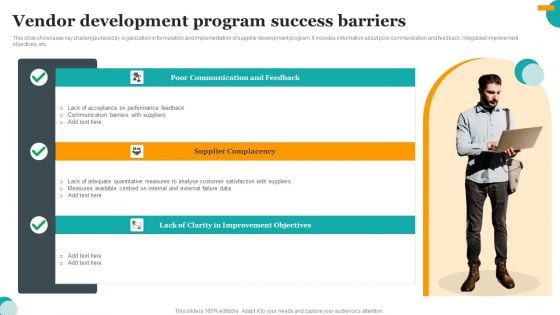
Have you ever sent an email to a supplier, anxiously waiting for feedback, only to be met with silence? If you’ve experienced this frustrating scenario, you’re not alone.

Lack of supplier feedback can be a major roadblock in your business operations, causing unnecessary delays and affecting your bottom line. Imagine the peace of mind you’d have if your suppliers communicated effectively, ensuring smooth transactions and timely deliveries. We’ll uncover the reasons behind this communication gap and offer actionable solutions to transform how you interact with your suppliers.

Stick around, because understanding and resolving this issue could be the key to unlocking greater efficiency and success for your business.

Impact On Supply Chain

The supply chain depends on clear communication. Suppliers need to share timely feedback. When they don’t, it affects the entire chain. Lack of feedback disrupts processes and creates uncertainty. Businesses face challenges in planning and executing operations. This leads to several negative impacts on the supply chain.

Delayed Deliveries

Without supplier feedback, scheduling becomes difficult. Businesses struggle to predict delivery times. Orders might arrive late or not at all. This causes stress for the company. Customers become unhappy. Delayed deliveries affect reputation and trust. Planning becomes a guessing game.

Quality Control Issues

Feedback helps maintain product quality. Suppliers provide crucial information about materials. Without it, quality checks suffer. Defective products may slip through unnoticed. Customers receive poor-quality items. This leads to complaints and returns. Quality control processes weaken and efficiency drops.

Increased Costs

Lack of feedback leads to unexpected expenses. Delays cause storage costs to rise. Extra checks for quality increase labor costs. Companies may need to find alternative suppliers. This search involves time and money. Overall, costs climb without clear communication from suppliers.

Lack of Supplier Feedback: Challenges and Solutions

Credit: www.slidegeeks.com

Communication Barriers

Effective communication between suppliers and businesses is crucial for success. However, communication barriers often hinder this relationship. These obstacles can lead to misunderstandings and missed opportunities. Let’s explore the specific challenges that might be affecting your supplier feedback.

Cultural Differences

Cultural differences can significantly impact communication. For example, a supplier from Japan might prioritize formal communication, while a US-based business could favor a more casual approach. These differing styles can lead to confusion.

Understanding cultural norms is essential to bridge gaps. If you’re unfamiliar with a supplier’s culture, you might unintentionally offend them or misinterpret their feedback. Do you take time to learn about your supplier’s cultural background?

Language Challenges

Language barriers can complicate communication with suppliers. Even if you share a common language, regional dialects and industry jargon might create confusion. Miscommunication can result in errors and delays in supply chain processes.

Consider using translation tools or hiring a professional interpreter. Clear language ensures everyone is on the same page. How do you address language challenges in your supplier relationships?

Technological Gaps

Not all suppliers have access to the latest communication technology. This can lead to delays in feedback and updates. While you might prefer video calls, your supplier might only have email access.

Assess your supplier’s technological capabilities. Investing in compatible technology can enhance communication. Are you equipped to handle technological gaps with your suppliers?

Tackling communication barriers can improve supplier feedback and strengthen your business relationships. Consider these challenges and find solutions that align with your needs. Engaging directly with suppliers can lead to more productive exchanges and better outcomes.

Supplier Relationship Dynamics

Supplier relationships are crucial for business success. Building strong connections can lead to improved products and services. The dynamics between suppliers and companies often affect performance and results. Understanding these dynamics helps businesses create better strategies.

Trust And Transparency

Trust forms the foundation of any relationship. Suppliers and companies must be open and honest. Transparency ensures that expectations are clear. This reduces misunderstandings and fosters collaboration. Open communication builds confidence in each other’s capabilities.

Power Imbalance

Power imbalance can affect decision-making. Sometimes, one party holds more influence than the other. This can lead to unfair practices or decisions. Equal power distribution ensures fair negotiations. Both parties must recognize each other’s contributions.

Contractual Obligations

Contracts outline the terms of business dealings. Both suppliers and companies must adhere to these agreements. Clear contracts prevent disputes and ensure smooth operations. They define responsibilities and protect interests. Regular reviews help maintain relevance and compliance.

Feedback Mechanisms

Effective feedback mechanisms are crucial for maintaining a healthy relationship between businesses and their suppliers. A lack of feedback can lead to misunderstandings, decreased quality, and missed opportunities for improvement. Implementing structured and thoughtful feedback systems can bridge these gaps, ensuring that both parties thrive in a symbiotic relationship.

Regular Performance Reviews

Regular performance reviews offer a structured way to assess and improve supplier relationships. Scheduling these reviews quarterly or bi-annually can help you address any recurring issues while also setting new goals. It’s a proactive approach that not only identifies areas for improvement but also celebrates what’s going well, fostering a positive environment.

Think of it as a report card for your suppliers. Would you trust a school system that never gave feedback? The same applies to your suppliers. Consistent reviews keep everyone on the same page and help in building trust.

Digital Feedback Platforms

Digital feedback platforms provide a modern solution for real-time communication. Platforms such as Slack, Trello, or specialized supplier management software can streamline the feedback process. These tools allow for instantaneous sharing of insights, reducing the lag time between identifying an issue and addressing it.

In today’s fast-paced business world, waiting for a quarterly review may not be viable. Digital platforms offer flexibility and speed, ensuring your feedback is always timely. Have you considered how much more efficient your processes could be with real-time updates?

Anonymous Surveys

Anonymous surveys are an excellent way to gather honest feedback from your suppliers without the fear of repercussions. They encourage transparency and can highlight issues that might not surface in direct conversations. By using tools like Google Forms or SurveyMonkey, you can easily create and distribute these surveys.

Suppliers might feel more comfortable pointing out flaws or suggesting improvements if they know their identity will remain confidential. Would you feel comfortable criticizing a partner if you feared backlash? Anonymous surveys remove that barrier, opening the door for genuine dialogue.

Incorporating these feedback mechanisms can significantly enhance your supplier relationships. What steps will you take today to ensure your suppliers feel heard and valued?

Training And Support

Effective training and support are crucial in bridging the gap caused by the lack of supplier feedback. When suppliers are equipped with the right knowledge and skills, they can deliver better services and products, thus enhancing the overall supply chain. It’s time to explore how you can bolster your supplier relationships through dedicated training and support initiatives. Consider how these programs might transform your business partnerships and improve outcomes.

Supplier Education Programs

Supplier education programs are essential tools in nurturing a productive relationship. These programs can include detailed guides and manuals that help suppliers understand your expectations clearly.

Imagine a scenario where suppliers are often confused about product specifications. An education program can clarify these standards, minimizing errors and delays. Doesn’t it make sense to provide resources that streamline the process for everyone involved?

Workshops And Seminars

Workshops and seminars can be a game-changer in providing hands-on learning experiences. Invite suppliers to engage in interactive sessions where they can ask questions and gain practical insights.

Consider hosting regular seminars focused on industry trends and best practices. These gatherings can foster a collaborative atmosphere and encourage suppliers to share their experiences. Isn’t it beneficial to create a space for open dialogue and innovation?

Continuous Improvement Initiatives

Continuous improvement initiatives are about fostering a culture of ongoing growth. Encourage suppliers to regularly assess their processes and seek ways to improve efficiency and quality.

Such initiatives can involve feedback loops where suppliers receive constructive criticism and suggestions. This encourages a proactive approach to problem-solving. How would your business benefit from suppliers who are committed to continuous improvement?

Training and support initiatives not only enhance supplier performance but also build trust and loyalty. By investing in these areas, you empower your suppliers to excel, which in turn boosts your own business success. Are you ready to take the next step in cultivating a thriving supplier relationship?

Lack of Supplier Feedback: Challenges and Solutions

Credit: www.levadata.com

Technology Integration

Technology integration plays a crucial role in enhancing supplier feedback. Modern tools streamline communication and provide valuable insights. Businesses can leverage technology to foster better supplier relationships. Let’s explore some effective technological solutions.

Automated Feedback Systems

Automated feedback systems simplify the feedback process. They collect and analyze supplier data without manual intervention. This ensures timely and consistent communication with suppliers. Businesses can set up automated alerts for specific feedback criteria. This reduces delays and improves response times.

Data Analytics For Insights

Data analytics offers deeper insights into supplier performance. Analyzing feedback data reveals patterns and trends. These insights help businesses make informed decisions. Companies can identify areas needing improvement. This leads to more strategic supplier partnerships.

Collaboration Tools

Collaboration tools enhance communication between businesses and suppliers. These tools provide platforms for real-time interaction. They support document sharing and joint project management. Better collaboration leads to stronger supplier relationships. It fosters a more cooperative business environment.

Case Studies

Understanding the impact of supplier feedback can transform your business operations. Case studies offer real-world examples of how companies have tackled the challenge of obtaining meaningful feedback from their suppliers. These insights can guide you in implementing effective strategies and avoiding common pitfalls.

Successful Feedback Implementation

Companies that have successfully implemented supplier feedback systems often start by setting clear expectations. In one case, a leading electronics company regularly held feedback sessions with suppliers to discuss performance metrics and quality standards.

They used structured templates to ensure consistent feedback, which helped suppliers understand what was expected. As a result, the company saw a noticeable improvement in product quality and delivery times.

What steps can you take to ensure your suppliers receive and understand your feedback? Consider using simple tools and regular communication channels that encourage open dialogue.

Lessons From Industry Leaders

Industry leaders often lead by example. A major automotive manufacturer found success by integrating feedback loops within their supplier relationship management system. They focused on transparency and trust.

This approach not only improved supplier performance but also strengthened relationships. By prioritizing feedback, they created a culture of continuous improvement among their suppliers.

Reflect on how you can foster transparency and trust with your suppliers. Are there practices you can adopt to facilitate better communication and feedback?

These case studies highlight that effective feedback can drive significant improvements. What insights can you glean from these examples to optimize your supplier relationships?

Lack of Supplier Feedback: Challenges and Solutions

Credit: paradoxmarketing.io

Frequently Asked Questions

Why Is Supplier Feedback Important?

Supplier feedback improves product quality and strengthens partnerships. It identifies areas for improvement, enhances communication, and boosts efficiency. Valuable insights from suppliers help optimize processes, reduce costs, and increase customer satisfaction. Engaging with feedback fosters collaboration and innovation, leading to better business outcomes.

What Are The Effects Of Poor Supplier Performance?

Poor supplier performance leads to delays, increased costs, and reduced product quality. It damages customer relationships and hampers business growth. Unreliable suppliers can disrupt operations and decrease market competitiveness. Addressing these issues promptly is crucial for maintaining efficiency and profitability.

How Do You Deal With An Underperforming Supplier?

Evaluate the supplier’s performance and identify issues. Communicate concerns directly and set improvement targets. Monitor progress regularly. Consider alternative suppliers if necessary. Document all interactions for future reference.

What Are The 7 C’s Of Supplier Evaluation?

The 7 C’s of supplier evaluation include competency, capacity, commitment, control, cash, cost, and consistency. These criteria help assess a supplier’s ability to meet business needs effectively. Evaluating each ensures reliable supply chain management and fosters strong business relationships.

Conclusion

Effective supplier feedback boosts business growth. It strengthens relationships. Ensures better service. Helps resolve issues swiftly. Feedback guides improvements. Encourages transparency. Builds trust with partners. Companies need open communication. Regular feedback sessions are key. Suppliers feel valued. They deliver more effectively.

This leads to higher satisfaction. Improved processes benefit everyone. Encourage dialogue. Ask for constructive input. Implement changes. Watch your business thrive. Foster a culture of feedback. It’s vital for success. Don’t ignore supplier voices. Listen. Respond. Grow together. Your business will prosper.