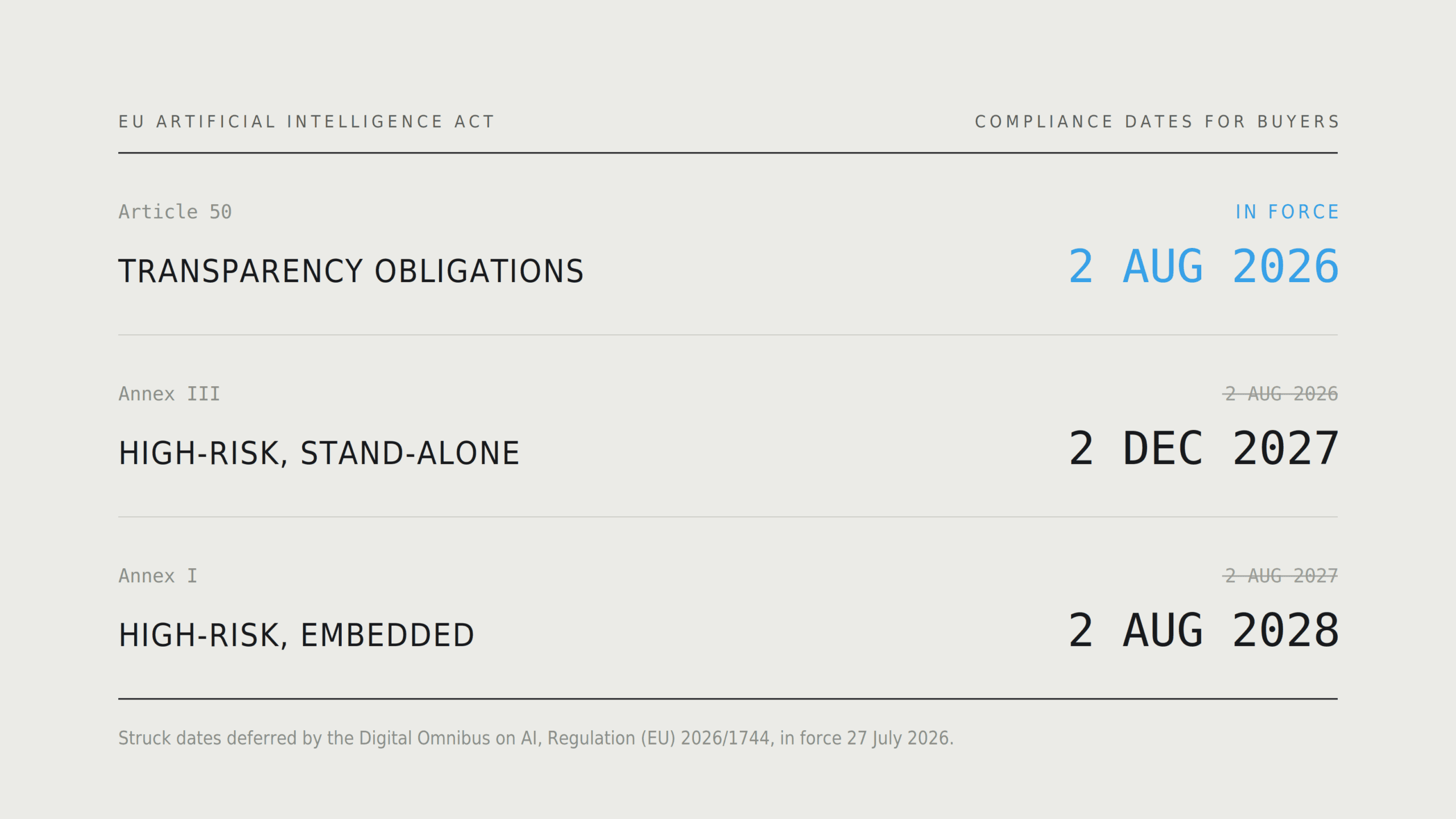
Enhancing Procurement Compliance: Key Strategies
Introduction
In today’s rapidly evolving business landscape, procurement compliance has become a critical focus for organizations striving to maintain efficiency and integrity in their operations. Ensuring regulatory alignment, maintaining comprehensive supplier documentation, and achieving audit readiness are essential components of a robust procurement strategy. This article explores key strategies that can enhance procurement compliance while fostering effective supplier evaluation and collaboration.
Understanding Regulatory Alignment
Regulatory alignment is the cornerstone of procurement compliance. Organizations must stay informed about the latest regulations affecting their industry to avoid legal pitfalls and financial penalties. Regularly updating internal policies to reflect these changes is crucial. Engaging with legal experts or consultants can provide valuable insights into complex regulatory environments, ensuring that your procurement processes remain compliant.
The Importance of Supplier Documentation
Comprehensive supplier documentation is vital for maintaining transparency and accountability within the supply chain. By systematically collecting and organizing documents such as contracts, certifications, and performance records, organizations can create a reliable database that supports decision-making processes. This practice not only facilitates smoother audits but also enhances trust between businesses and their suppliers.
Key Elements of Effective Supplier Documentation:
- Contracts: Clearly define terms, conditions, and expectations to prevent misunderstandings.
- Certifications: Verify supplier credentials to ensure they meet industry standards.
- Performance Records: Track historical data on supplier performance for informed evaluations.
Audit Readiness: Preparing for Success
Audit readiness is an integral part of demonstrating compliance in procurement activities. Being prepared for audits involves having all necessary documentation readily accessible and organized. Implementing automated systems can streamline this process by providing real-time access to data and reducing human error. Regular internal reviews can also help identify potential areas of improvement before external audits occur.
Tactics for Achieving Audit Readiness:
- Create Checklists: Develop comprehensive checklists tailored to specific audit requirements.
- Conduct Mock Audits: Simulate audit scenarios to identify gaps in documentation or processes.
- Cultivate a Compliance Culture: Encourage employees at all levels to prioritize compliance in their daily tasks.
The Role of Technology in Procurement Compliance
The integration of technology into procurement processes offers significant advantages in enhancing compliance efforts. Digital platforms facilitate efficient management of supplier information, automate routine tasks, and provide analytics for better decision-making. Leveraging technology not only improves accuracy but also allows organizations to adapt quickly to changing regulatory landscapes.
Benefits of Technological Integration:
- Simplified Data Management: Centralize information storage for easy access during audits or evaluations.
- Error Reduction: Minimize manual errors through automation tools that handle repetitive tasks efficiently.
- Predictive Analytics: Use data-driven insights to anticipate risks and make proactive adjustments in procurement strategies.
Conclusion
Navigating the complexities of procurement compliance requires a strategic approach focused on regulatory alignment, meticulous supplier documentation, and unwavering audit readiness. By adopting these key strategies alongside technological advancements, organizations can enhance their compliance posture while fostering stronger relationships with suppliers. Ultimately, these efforts contribute not only to operational excellence but also bolster an organization’s reputation as a responsible entity committed to ethical practices within its supply chain network.
Our recent Blogs
Gain valuable perspectives on B2B customer feedback and supplier
performance through our blogs, where industry leaders share experiences and
practical advice for improving your business interactions.